

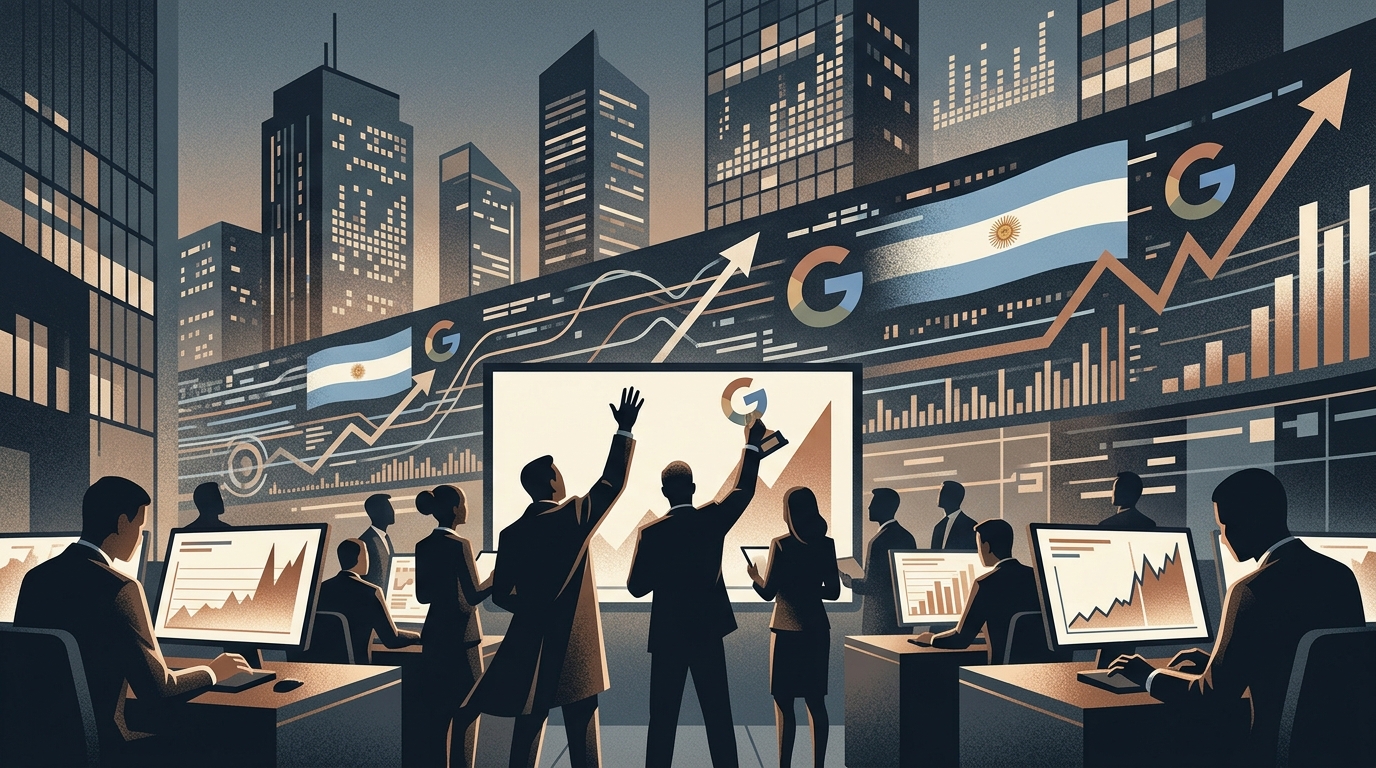
The 2026 World Cup, the first in history to feature 48 national teams, is reshaping not only the football map but the digital one as well. The knockout stage clash between Argentina and Egypt will go down in history not just for the thrills on the pitch, but for triggering the highest traffic in the history of Google's search engine in its 28 years of operation. According to official data leaked from the tech giant, searches for information, statistics, and live updates during the ninety minutes surpassed every previous record, including the 2022 final in Qatar.
The Egyptian Digital Explosion and the Messi Phenomenon
The explanation behind this unprecedented record is multifaceted. On one hand, Argentina remains the global favorite, with Lionel Messi—potentially in his final World Cup appearance—drawing the interest of billions of fans from every corner of the globe. On the other hand, Egypt represents one of the most dynamic and populous markets in the Middle East and Africa. With a population exceeding 110 million and a youth demographic fully tech-savvy with smartphones, the mobilization of Egyptian fans was massive.
As market analysts note, Egypt has one of the highest mobile penetration rates in the region, and football is their national passion. When these two elements met the challenge of facing the World Champions, Argentina, the result was a 'perfect storm' of data. Google saw search queries skyrocket to levels that forced load management systems to operate at their absolute limits.
Google's Infrastructure and the Importance of Real-Time Data
For Google, this record is not just a statistic of pride but a testament to its dominance in the information ecosystem. During the match, the search engine provided more than just simple results; it offered a fully integrated environment with live scores, real-time win probabilities, highlight videos, and AI-driven play analysis. This shift from 'keyword search' to 'content experience' is what kept users tethered to the platform for longer durations.
- Over 1 billion searches per hour during the second half.
- Record usage of the Google Lens feature to identify players and jerseys.
- A massive surge in traffic for sports-related advertising placements.
Google's ability to handle billions of requests per second without latency is its greatest technological feat. In the 2026 World Cup, the use of Gemini AI to generate automatic summaries and answers to complex user queries (e.g., "who is the next opponent if Egypt equalizes now?") seems to have acted as a catalyst for increased interaction.
Economic Implications and the Attention Economy
From an economic perspective, this record translates into massive revenue. The 'Attention Economy' finds its ultimate expression in events like the World Cup. Every second a user spends on a Google results page is an opportunity for targeted advertising. Prices for ad slots during such peak events reach staggering heights, similar to those of the Super Bowl but on a global scale.
"The World Cup is the only event that can make the entire planet ask the same question at the same time," a Google executive stated following the data release.
Furthermore, collecting data on user preferences during the match allows companies to create consumer profiles with terrifying accuracy. The fact that Argentina and Egypt managed to break the record also shows the shift of interest towards emerging markets, where digital growth is faster than in the West. In conclusion, the 'Google World Cup' was won by technology's ability to unite human passion with information, creating a new milestone in the history of the internet.





