In a move that is set to send shockwaves through the technology sector and significantly strain consumer budgets, Apple has announced a series of price hikes across its flagship laptop and tablet lineup. The news, corroborated by sources at Bloomberg and The Verge, comes as the Cupertino-based tech giant attempts to navigate a complex landscape of high demand and unprecedented component shortages, most notably in memory modules.
The Anatomy of the Price Hike: From Neo to Pro
According to official reports, the new MacBook Neo—originally positioned as the most accessible entry point for a new generation of users—will see its starting price jump from $599 to $699. This 16% increase fundamentally alters the device's market positioning. Even more striking is the adjustment for the popular MacBook Air, which will climb from $1,099 to $1,299. Professional users are not spared either; the 14-inch MacBook Pro is also receiving a price revision, reflecting the soaring costs of high-performance components.
Apple’s strategy here is deliberate. The company historically prioritizes maintaining its industry-leading gross margins over absorbing increased production costs. In an environment where inflation remains sticky and borrowing costs are elevated, Apple is choosing to pass the financial burden onto the end user, betting on its fierce brand loyalty and the lack of comparable alternatives within its tightly integrated ecosystem.
The Memory Crisis: Why are the Reservoirs Running Dry?
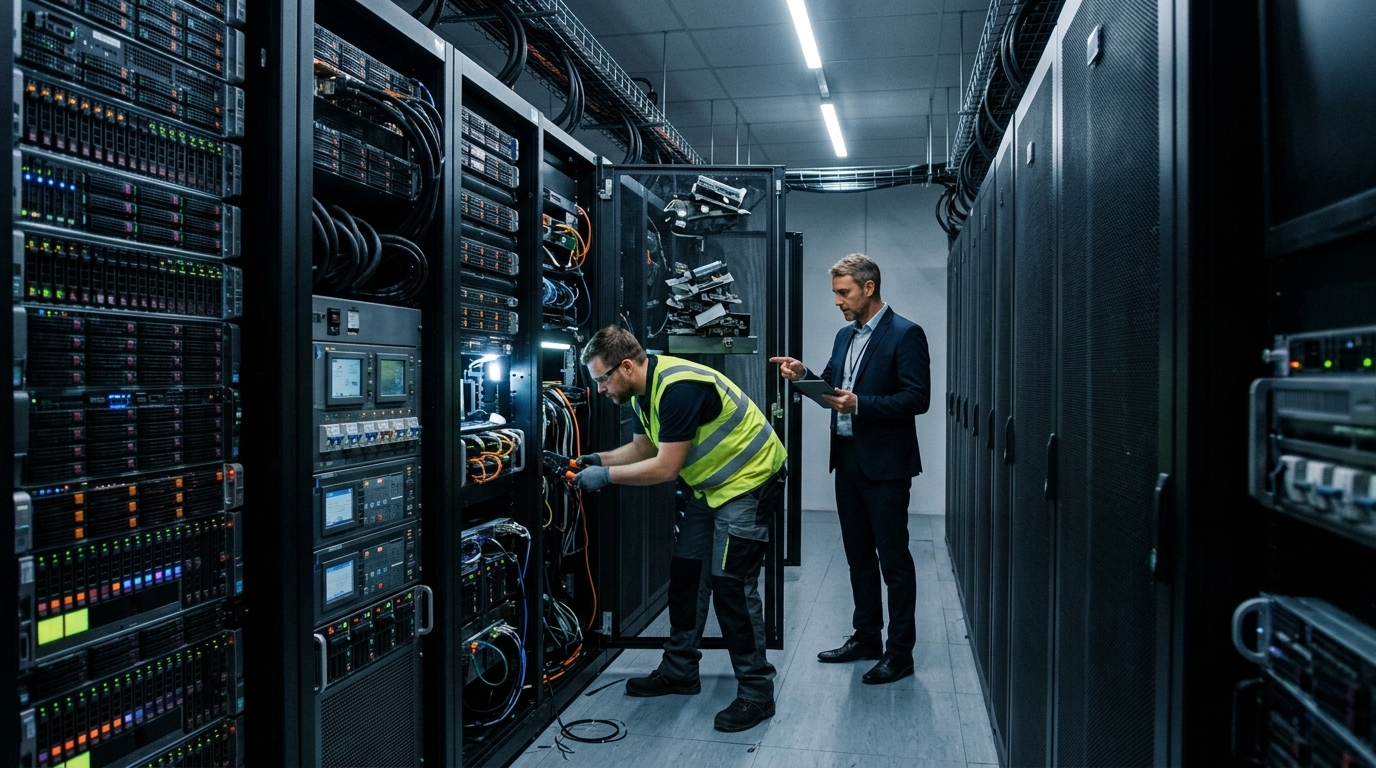
The root of the problem lies in the global semiconductor market, specifically regarding DRAM and NAND memory units. The explosion of Artificial Intelligence (AI) has created an insatiable appetite for High Bandwidth Memory (HBM), used in the servers that train Large Language Models (LLMs). Memory manufacturers such as Samsung, SK Hynix, and Micron have diverted significant portions of their production capacity toward these lucrative AI solutions, leaving the consumer electronics market with substantial deficits.
Furthermore, geopolitical tensions in East Asia and technology export restrictions have further complicated the situation. The supply chain, while recovered from the pandemic era, remains exceptionally fragile. For Apple, which utilizes specialized specifications for its 'Unified Memory' architecture within the M-series chips, securing reliable sources at reasonable prices has become a Herculean task.
Economic Implications and Market Reaction
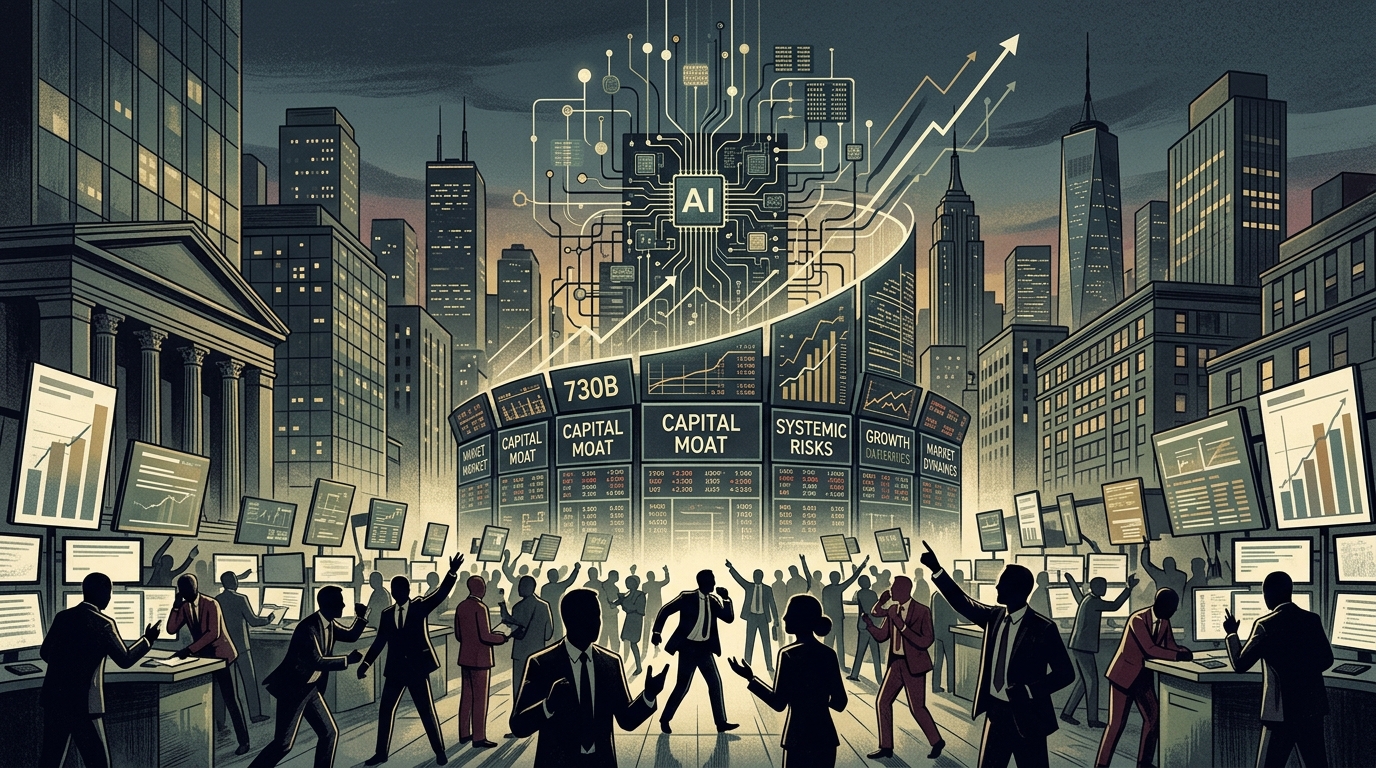
Wall Street analysts are watching these developments with a keen eye. While price increases may protect Apple’s margins in the short term, there is a distinct risk of dampening sales volumes, particularly in price-sensitive markets like Europe and Latin America, where purchasing power is already under pressure. When accounting for VAT and import duties in international markets, these hikes could translate to even steeper costs for the global consumer.
- Students and educational institutions will be among the hardest hit, as Apple’s education discounts may no longer bridge the gap to affordability.
- The secondary market—refurbished and used devices—is expected to see a surge in demand as consumers seek more economical alternatives.
- Windows-based competitors, such as Dell and HP, may soon follow Apple's lead, citing the same hardware shortages to justify their own price adjustments.
In conclusion, Apple’s move signals the end of a period of relative price stability for premium electronics. Technology is once again becoming a costly privilege, and the ability of corporations to manage global scarcities will define the winners of the next decade. The lingering question is whether consumers will continue to pay the 'Apple Tax' or if they will begin to look toward more affordable horizons, challenging the dominance of the Cupertino ecosystem.