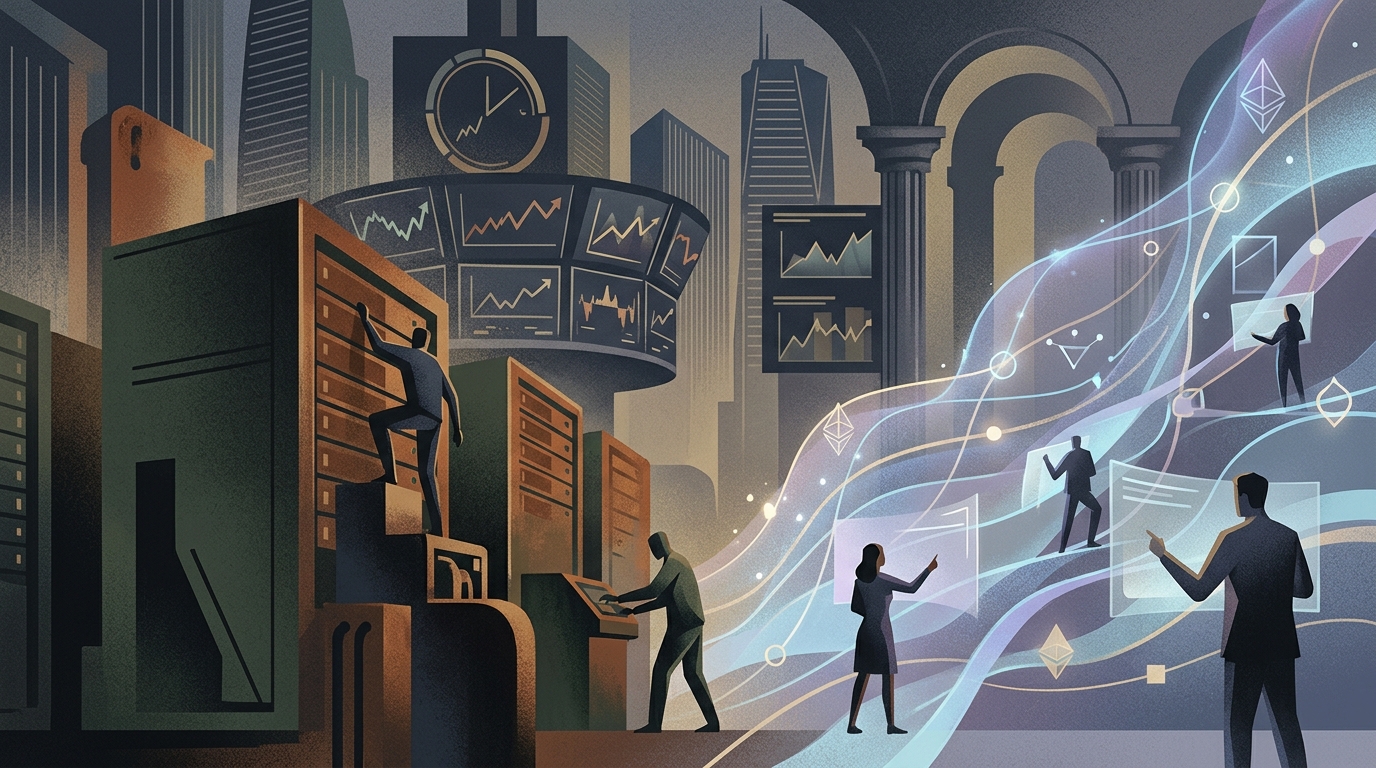
Silicon Valley, once the mecca of job security and extravagant perks, is navigating one of the darkest chapters in its history. While stock indices soar and investments in Artificial Intelligence (AI) shatter records, thousands of workers are being shown the door. The corporate narrative is remarkably consistent: "restructuring for the AI era." However, a closer examination reveals that technology is not just the catalyst for change, but the perfect moral and communicative alibi for a violent redistribution of wealth.
The Smoke Screen of "Efficiency"
For decades, success in the tech sector was measured by headcount growth. Today, that metric has been inverted. CEOs at Meta, Google, and Amazon have embraced the "cult of efficiency." According to recent reports, the layoffs that began in 2023 and continue unabated in June 2026 are no longer just about "correcting" pandemic-era over-hiring. Instead, AI is being framed as the magical automation that renders entire departments obsolete.
The issue lies in the fact that, in many cases, AI has not yet reached the level of maturity required to replace human nuance and complex problem-solving. Nevertheless, companies are rushing to downsize, using the promise of future automation to appease shareholders. It is a form of "strategic opportunism": if you fire people due to mismanagement, the stock price drops; if you fire them "due to AI," the market rewards you as a visionary leader.
Market Logic vs. Human Capital: The Wall Street Factor
This dynamic has created a profound social rift. On one side, we have an elite tier of AI researchers and engineers commanding seven-figure salaries. On the other, the "middle class" of developers, QA testers, and support staff live under the constant shadow of redundancy. Silicon Valley is no longer a collaborative ecosystem; it has become a survivalist arena.
"Artificial Intelligence is being weaponized as a tool for labor discipline. It is management's way of telling employees that no one is indispensable," says a leading industry analyst.
Wall Street investors are demanding higher margins. With the cost of GPUs (Graphic Processing Units) skyrocketing, companies are desperate for capital. The easiest way to fund the purchase of multi-billion dollar Nvidia clusters is to slash the payroll. Thus, we witness a paradox: humans are being sacrificed to purchase the machines that were supposedly meant to assist them.
The Erosion of the Tech Social Contract
The promise of technology was always the liberation of humanity from repetitive toil. However, what we are experiencing is a betrayal of the Silicon Valley social contract. The workers who built the platforms we use today now find themselves marginalized by algorithms trained on their own output. The ethical implications of this transition are staggering.
- Loss of Institutional Knowledge: Mass layoffs lead to "corporate amnesia," as veteran employees depart, taking critical insights with them.
- Economic Polarization: The concentration of wealth in a few AI powerhouses is creating a new class of "techno-feudalists."
- Psychological Strain: Survivor's guilt and job insecurity are stifling creativity and long-term innovation among those who remain.
Looking Ahead: A Valley Divided
If this trend persists, 2027 will find the tech industry more profitable but significantly less human. The question is not whether AI can perform the tasks, but what kind of society we are building when technological progress is used exclusively to maximize short-term profits at the expense of social cohesion. Silicon Valley risks losing its soul, transforming the vision of the future into a sterile balance sheet.
The need for a robust regulatory framework and updated labor laws that recognize the unique challenges of the AI era is more urgent than ever. Without intervention, the "AI alibi" will continue to widen the gap, potentially leading to a social backlash that no artificial intelligence will be able to predict or suppress.