

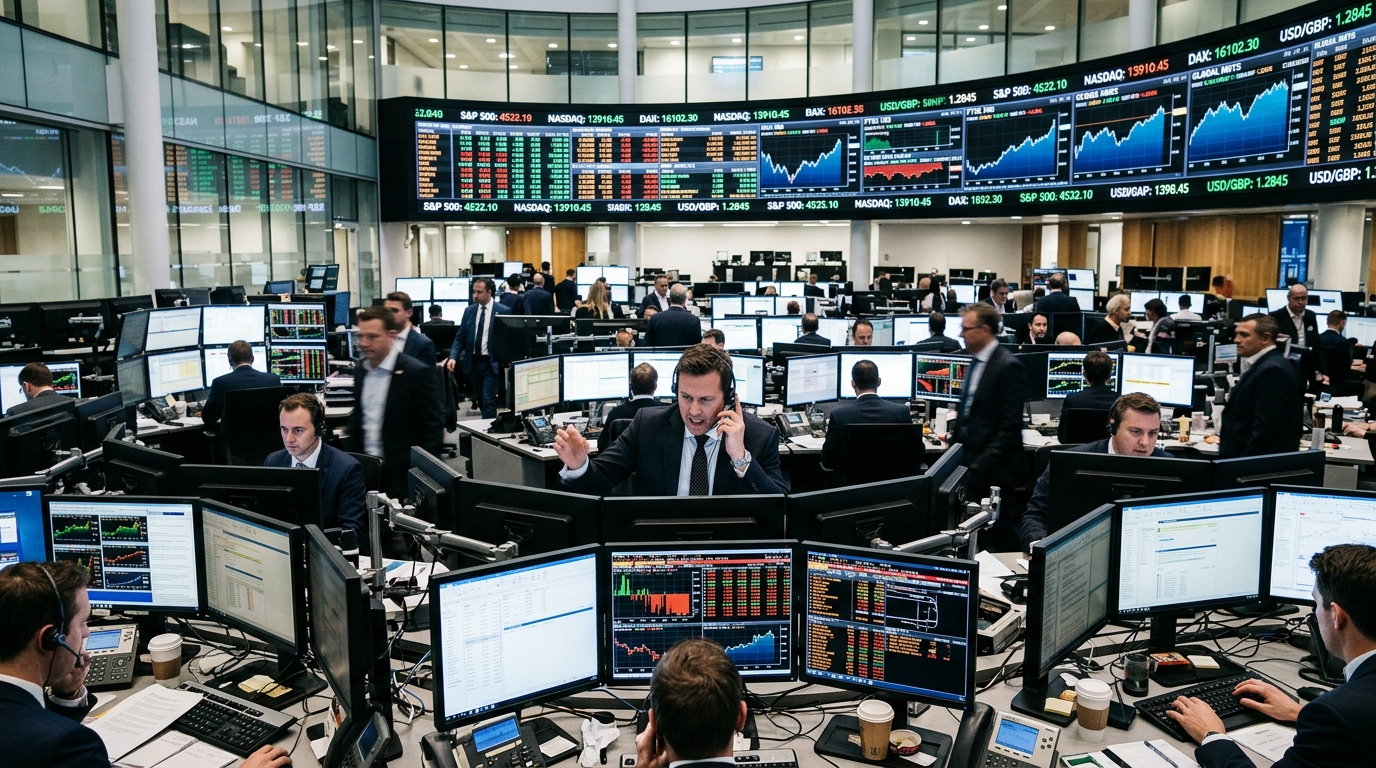
The history of capital markets has always been a story of technological evolution, from 19th-century telegrams to the advent of computers on Wall Street in the 1980s. However, what we are witnessing today is not a simple upgrade, but a radical transition. Artificial Intelligence (AI), and specifically Generative AI, is transforming capital markets from arenas of human intuition into ecosystems of algorithmic hyper-performance.
This transition is characterized by the ability of systems to process vast amounts of data in real-time, identifying patterns invisible to the human eye. It is no longer just about the speed of transaction execution (High-Frequency Trading), but about the quality of prediction and a deep understanding of the market through sentiment analysis and the processing of unstructured data, such as news, social media posts, and earnings reports.
The Dominance of Data and the New Algorithmic Order
At the heart of this shift lies data processing. Traditionally, analysts relied on balance sheets and economic indicators. Today, AI utilizes alternative data, such as satellite imagery to monitor port traffic or factory activity, to predict stock trends before official figures are even released. This information asymmetry, which was once the "holy grail" of hedge funds, is now becoming the standard tool for every serious market participant.
Machine Learning algorithms no longer just follow predefined "buy" or "sell" commands. They learn from the market itself, adapt to changing conditions, and can predict volatility before it manifests. This leads to a market that is more efficient, but simultaneously more unpredictable, as the interaction between different algorithms can create unexpected chain reactions.
Systemic Risks and the Shadow of the "Flash Crash"
Despite the benefits in efficiency and liquidity, the dominance of AI carries serious risks. The most significant is the risk of "homogeneity." If most market participants use similar algorithms trained on the same datasets, there is a possibility they will make the same decisions simultaneously. This can lead to violent liquidity drains and sudden collapses, the so-called "flash crashes."
Furthermore, the lack of transparency—the "black box" problem—makes it difficult for regulators to understand why a system made a specific decision. In times of crisis, this opacity can shake investor confidence. The regulatory challenge is immense: how can you oversee code that evolves faster than legislation? Authorities, such as the SEC in the US and ESMA in Europe, are in a constant race to set rules that protect the system without stifling innovation.
Democratization of Investment or New Inequalities?
Another critical dimension is the impact on retail investors. On one hand, AI offers tools that were once available only to institutional investors. Robo-advisors and AI-powered investment apps allow the average citizen to manage their portfolio with professional precision and low costs. This democratization of knowledge is one of the greatest advantages of the new era.
On the other hand, the "AI arms race" requires massive capital for computing power and specialized personnel. This could widen the gap between major investment banks and smaller players. If top-tier technology remains concentrated in a few hands, capital markets risk turning into a game where the few have a permanent advantage over the many. The balance between access to technology and the protection of competition will be key to market stability over the next decade.
Conclusion: Human Judgment in the Age of Machines
As we move deeper into this transition, the question is not whether AI will replace humans, but how it will complement them. Human judgment remains essential for understanding geopolitical developments, ethical dilemmas, and "black swans"—events that have no historical precedent in algorithmic training data. The successful investors of the future will be those who manage to combine the cold analytical power of the machine with the warm intuition and ethical compass of the human being.





