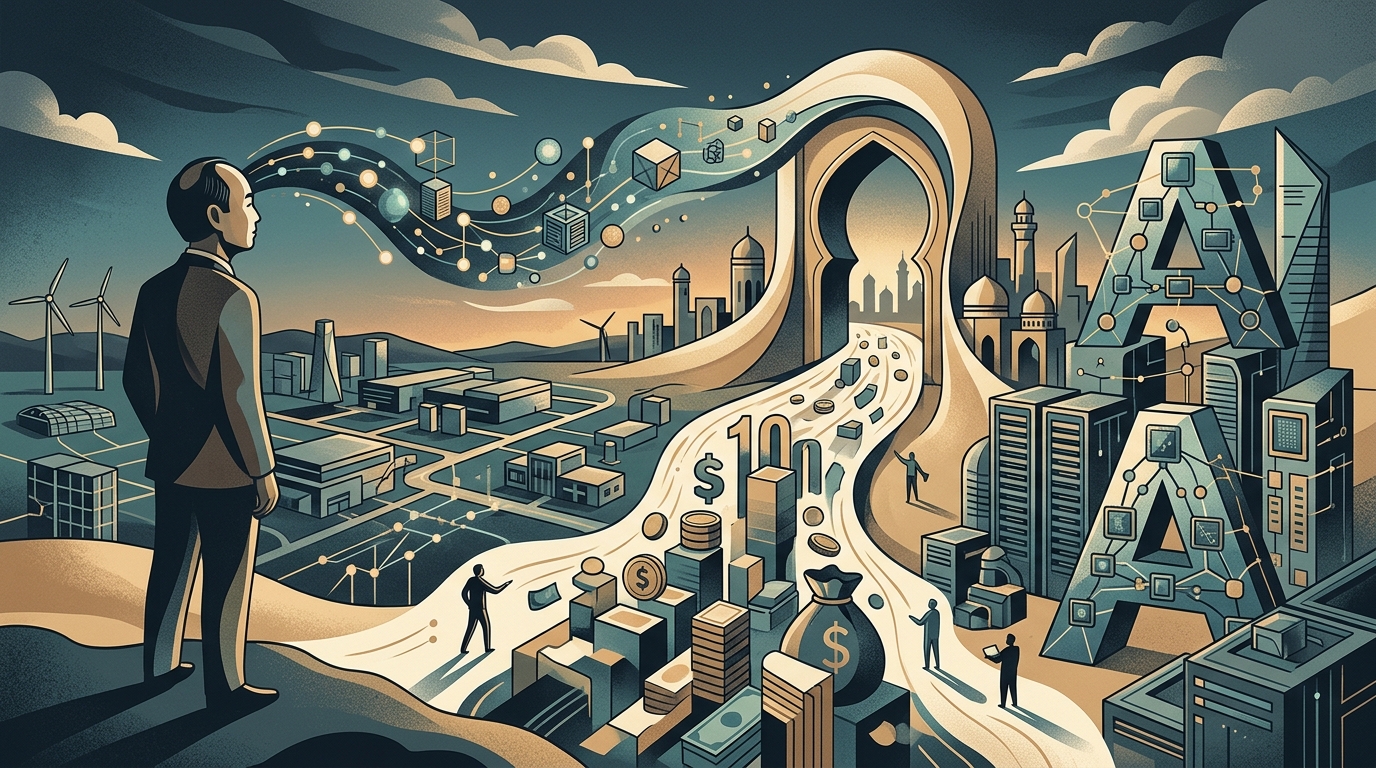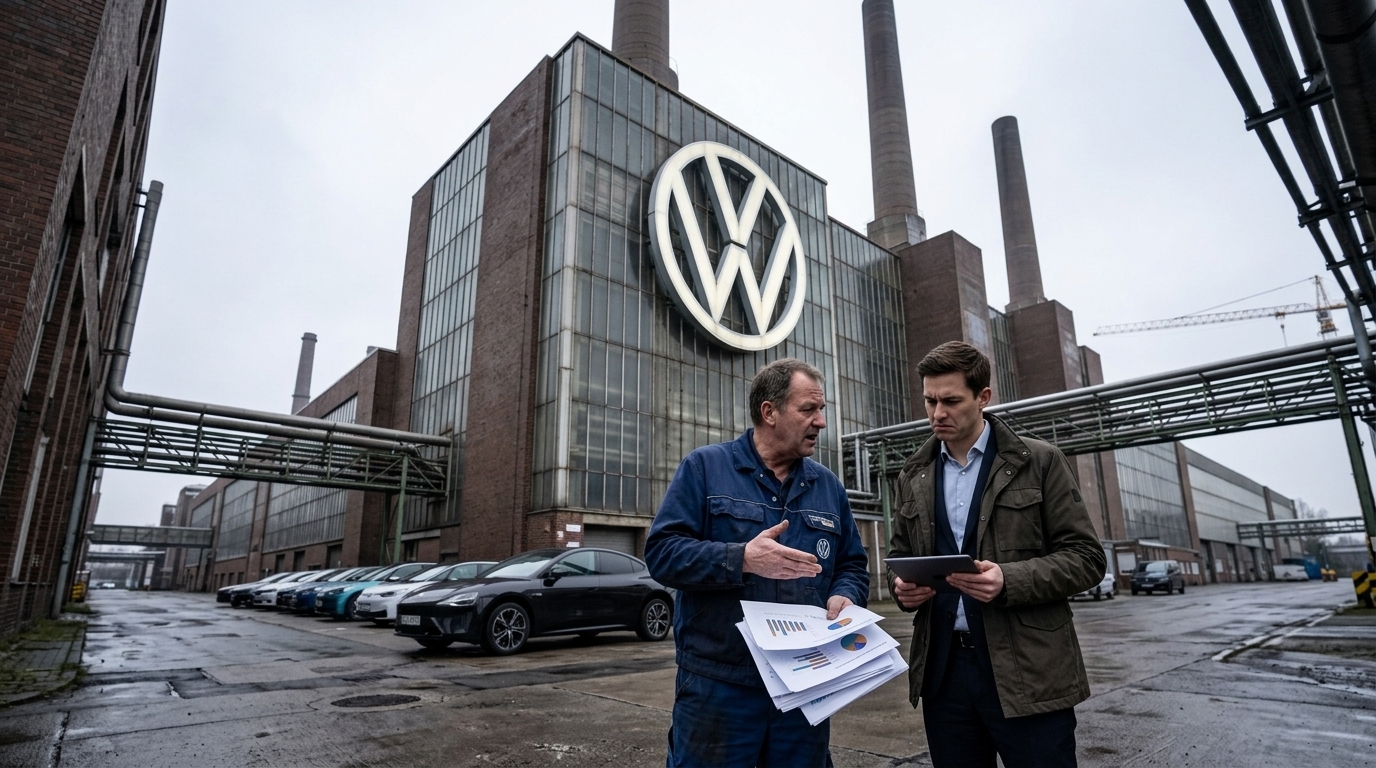
In the heart of Wolfsburg, where Germany’s infallible mechanical heart once beat, a chilling silence now prevails. Volkswagen, the behemoth that for decades symbolized the German economic miracle, is now caught in a vortex threatening its very existence. Recent announcements regarding the closure of four plants on German soil and the prospect of 100,000 job cuts are not merely a corporate restructuring; they represent the admission of a historic defeat against a new breed of competition emerging from the East.
The Collapse of an Industrial Dogma
For nearly a century, Volkswagen dominated through the perfection of the internal combustion engine. However, the transition to electromobility has exposed deep cracks in its foundation. The problem is not just Germany's energy costs, which have skyrocketed following the geopolitical upheavals of recent years, but also a cumbersome bureaucracy that prevented the company from realizing in time that the car of the future is, above all, software on wheels.
Oliver Blume’s management is now facing the 'unthinkable': the cancellation of employment guarantees that had been in place since 1994. The clash with the powerful IG Metall union is expected to be fierce, as the labor side argues that workers are paying for the strategic blunders of a management class that failed to invest effectively in digital technology.
The Chinese Typhoon: BYD and Xiaomi
While VW struggles with its internal pathologies, BYD and Xiaomi have fundamentally rewritten the rules of the game. BYD is not just an automaker; it is a vertically integrated giant that produces its own batteries, semiconductors, and control systems. This allows it to offer electric vehicles at prices Volkswagen cannot match while maintaining healthy profit margins.
On the other hand, Xiaomi’s entry into the market with the SU7 dealt a final blow to European confidence. Xiaomi proved that a smartphone giant can build a competitive car in just three years, whereas VW typically requires seven for a new model. Xiaomi’s connectivity and software ecosystem make VW’s infotainment systems look like relics from a previous decade.
Geopolitical Implications and Europe’s Future
The Volkswagen crisis is not just about one company; it is about the future of European industry. Germany, as the EU's engine, is watching its most important export product lose its footing. The tariffs imposed by the European Union on Chinese EVs may provide a temporary reprieve, but they do not solve the structural problem of competitiveness.
- The loss of the Chinese market, where VW once derived 40% of its profits, is now largely irreversible.
- Labor costs in Germany remain the highest in the world for the automotive sector.
- The failure of the Cariad software unit continues to delay the launch of critical models.
To survive, Volkswagen must transform from a metal-bender into a technology company. This requires a cultural revolution that may prove more difficult than the financial restructuring itself. If Wolfsburg fails to adapt, it risks becoming the Detroit of Europe—a monument to a bygone industrial era.