

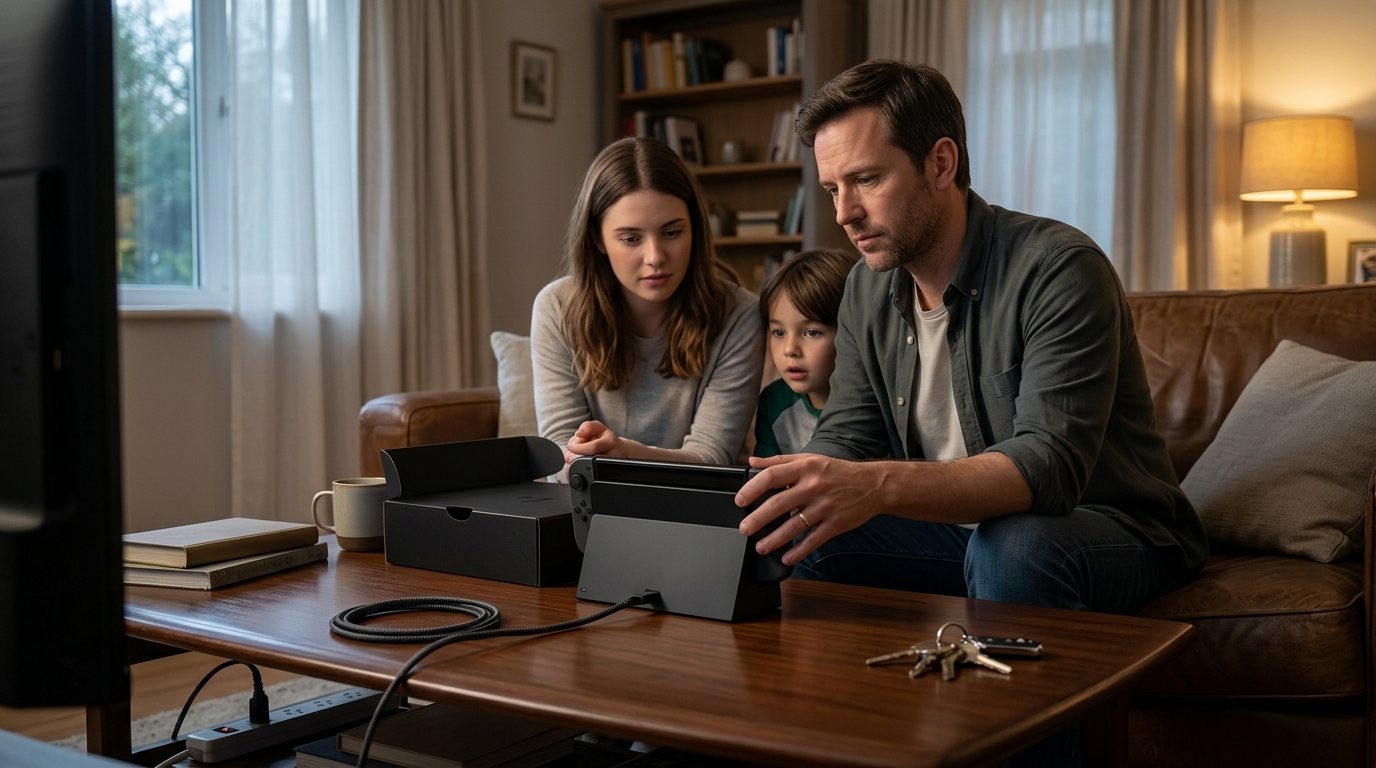
In a move that has sent shockwaves through the global gaming community, Nintendo has officially announced a worldwide price hike for its latest console, the Switch 2. Starting September 1, 2026, the retail price in the United States will climb from $449.99 to $499.99. Similar adjustments are expected in European and UK markets, where the price could potentially cross the €549/£499 threshold once VAT and regional logistics costs are factored in. This decision marks a significant departure from the Japanese giant’s traditional strategy of maintaining accessible price points compared to its rivals, Sony and Microsoft.
Market Conditions and the Cost of Innovation
According to the company’s official statement, the increase was deemed necessary "in light of changes in market conditions." While this phrasing is deliberately vague, industry analysts point to three primary drivers: the sustained high cost of performance semiconductors, currency volatility—particularly the weakening of the Yen against the Dollar and Euro—and escalating logistics expenses. The Switch 2, powered by Nvidia’s advanced T239 chip and supporting cutting-edge technologies like DLSS 3.5, is a significantly more expensive machine to manufacture than its predecessor.
Nintendo is not alone in facing these pressures; however, the timing of the hike is particularly critical. With the global economy navigating a period of persistent inflation, a $50 increase might seem modest in absolute terms, but psychologically, it moves the Switch 2 into the "premium" tech category. It risks shedding its long-held image as the "affordable family toy," a niche Nintendo has dominated for decades.
Forecasting a Sales Slump and Survival Strategy
Alongside the price hike, Nintendo has downwardly revised its sales forecasts for the upcoming fiscal year. The company acknowledges that the higher price tag, combined with market saturation and pressure on consumer disposable income, will lead to dampened demand. This admission is rare for a company that typically projects unwavering optimism for its hardware. It appears that management, under President Shuntaro Furukawa, is choosing to protect per-unit profit margins rather than chasing sales volume at a loss.
This strategy reflects a broader trend in the tech industry: the end of the "subsidized hardware" era. For years, console makers were willing to sell hardware at a loss to build a massive user base for software sales. But as R&D costs for 4K-capable handhelds skyrocket, that model is becoming unsustainable. Nintendo is essentially betting that its core fanbase is inelastic enough to absorb the cost, even if it means fewer total units in homes.
The Competitive Landscape and Brand Loyalty
Nintendo’s move comes as rumors regarding the PlayStation 6 and the next Xbox generation begin to intensify. If Nintendo loses its price advantage, it must rely entirely on the strength of its first-party software—titles like Mario, Zelda, and Pokémon—to justify the investment. History has shown that Nintendo fans are remarkably loyal, but there is a breaking point for every consumer.
"We aren't just selling hardware; we are selling access to our worlds. But when the entry fee to those worlds becomes prohibitive for the average household, the brand risks becoming elitist,"noted one industry insider who requested anonymity.
In conclusion, the Switch 2 price hike is a bold, albeit risky, maneuver. Nintendo is gambling that the intrinsic value of its intellectual property is strong enough to overcome macroeconomic headwinds. The next twelve months will determine whether the Switch 2 can sustain the momentum of its legendary predecessor or if it will serve as a cautionary tale that even the most beloved brands are not immune to the harsh realities of the 2026 economic landscape.





