

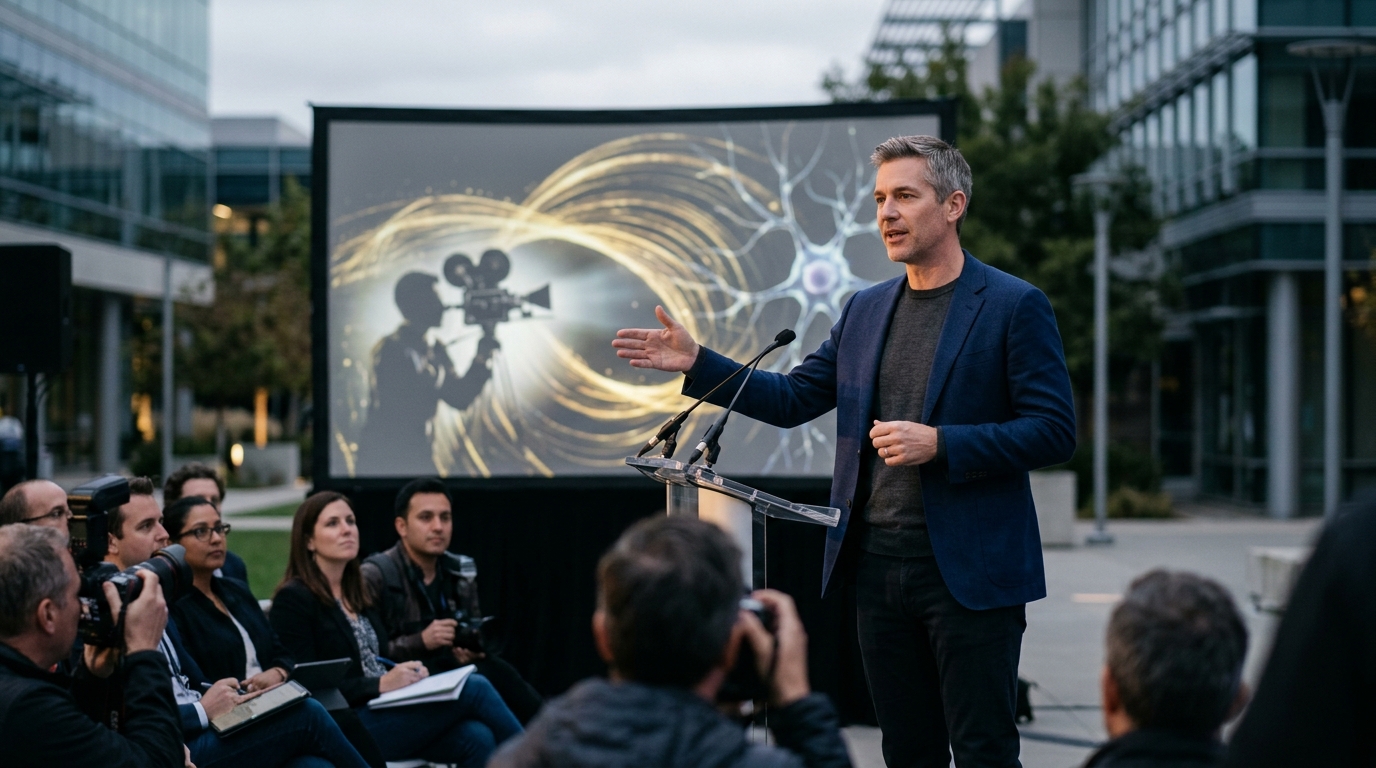
The entertainment industry stands at a critical crossroads, as the recent agreement between major production studios (AMPTP) and the actors' and writers' guilds (SAG-AFTRA, WGA) signals the dawn of a new era. Following months of intense negotiations and strikes that paralyzed the world's cinematic capital, the framework for the use of Artificial Intelligence (AI) is now clear, yet remains exceedingly complex. This deal is not merely about technology; it concerns the very essence of human creativity and the protection of intellectual property in a world where digital replicas can replace physical presence.
Protecting the Digital Self and Consent
The core of the agreement focuses on the concept of "digital representation." For the first time, strict protocols have been established for creating "digital twins" of actors. Studios are now required to obtain explicit, written consent from a performer before using their likeness or voice to create an AI replica. Furthermore, compensation for the use of these digital doubles must be commensurate with the work the actor would have performed had they been physically present on set.
This development is deemed essential as deepfake technology and generative AI have reached levels of photorealism that make it difficult to distinguish between reality and digital construction. The agreement protects not only major stars, whose commercial value is immense, but also background actors and extras, who faced the risk of having their jobs eliminated by algorithmic crowd simulations.
Screenwriting in the Age of Large Language Models
In the realm of writing, the agreement sets a clear boundary: Artificial Intelligence cannot be credited as a "writer." While AI tools can be used as aids for research or generating drafts, the final intellectual property belongs exclusively to the human creator. Studios are prohibited from forcing writers to use AI software, ensuring that the creative process remains human-centric.
However, the challenge persists regarding the training of these models. Using previous scripts to "train" AI is a gray area of legal contention. Creators demand transparency and royalties for the use of their work as training data—an issue that the current agreement touches upon but does not fully resolve, deferring to future federal legislative regulations.
Economic Implications and the New Production Structure
From an economic perspective, AI integration promises a drastic reduction in production costs, particularly in visual effects (VFX) and post-production. The ability to alter lighting, perform lip-synced dubbing via AI, or even de-age actors without the need for expensive CGI changes the financial landscape of major blockbusters.
- Reduction in production time for action and fantasy films.
- Potential for global distribution with perfectly natural dubbing in dozens of languages.
- Increased risk of power concentration in the hands of a few tech giants controlling AI tools.
This agreement serves as a blueprint for other markets, including Europe and Asia. As international productions increasingly seek global reach through platforms like Netflix, adopting these ethical and professional standards is the only way to maintain competitiveness and protect local creators.
Conclusion: A Fragile Balance
The new era in Hollywood is not a battle of man versus machine, but an attempt at coexistence. The agreement provides a temporary peace, but the pace of technological evolution is such that rules will need constant revision. The wager for 21st-century cinema is to use technology to expand the horizons of imagination without sacrificing the soul and authenticity that only human experience can provide.





