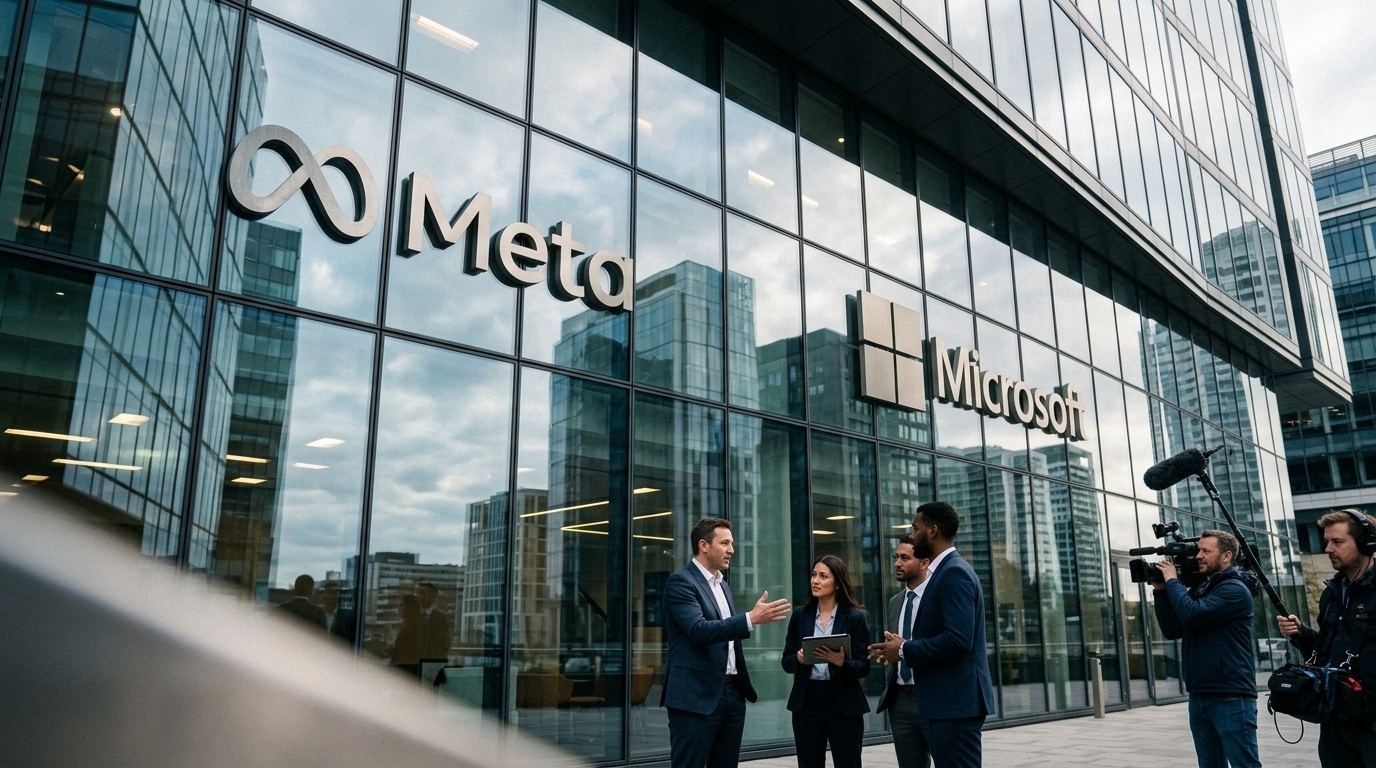
Despite heavy investments in its own infrastructure, Meta Platforms has emerged as one of Microsoft’s largest AI customers. The company spends hundreds of millions of dollars annually for access to AI models via the Azure platform, with its usage reaching trillions of tokens every week.
Power Concentration in Azure Foundry
Central to Microsoft’s AI strategy is Foundry, a platform through which businesses can access models from various providers. Although the service counts approximately 100,000 customers, demand remains heavily concentrated within the tech sector. Beyond Meta, major customers include ByteDance (TikTok's parent company), Adobe, Perplexity, and Sierra.
The OpenAI Dependency
Data reveals a striking level of concentration: OpenAI accounted for approximately 70% of Microsoft’s total AI revenue in the most recent fiscal year. This raises questions about whether AI technology has truly permeated the broader economy or if it remains a closed loop among a few major players.
Why Meta Sources External AI
While Meta develops its own models, its engineers utilize third-party technology—including OpenAI’s—via Foundry to benchmark and evaluate their own systems. Meta’s CTO, Andrew Bosworth, confirmed that leasing external models is a standard part of their development and evaluation process.
However, this dynamic may soon shift. Meta is developing its own API service, which could eventually compete with Microsoft’s Foundry, potentially reducing external costs and establishing a new revenue stream.