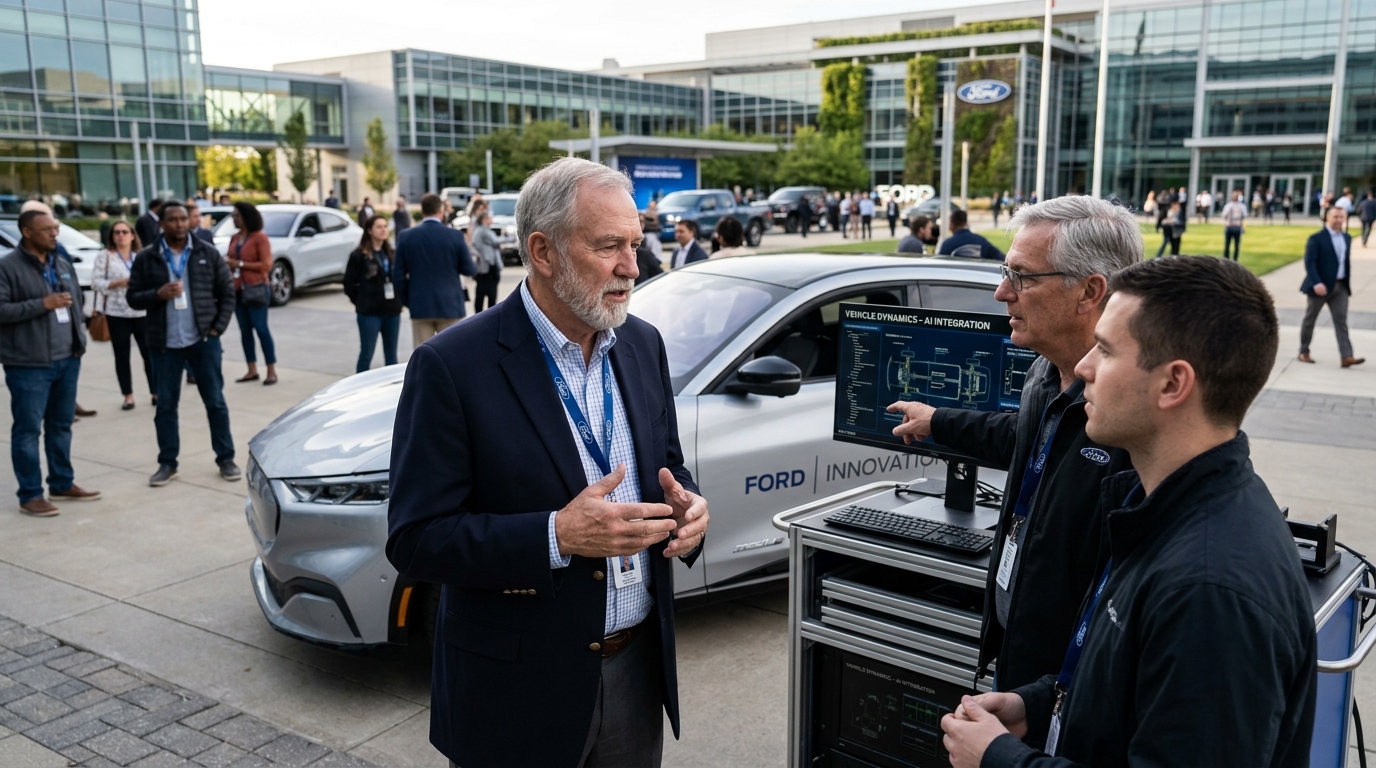
At the dawn of the 2020s, the narrative in the automotive industry was crystal clear: the future belonged to software, data, and Artificial Intelligence (AI). Detroit’s traditional giants, under pressure from Tesla and emerging Chinese startups, embarked on a radical transformation. Thousands of veteran engineers—the so-called ‘gray beards’—were ushered toward the exit through early retirement packages or layoffs, replaced by software developers and simulation algorithms. Today, in June 2026, reality is forcing a humbling reversal. Ford has reportedly launched a massive campaign to rehire its veterans, tacitly admitting that the ‘magic’ of AI was unable to replace decades of human intuition and factory-floor experience.
The Limits of the Digital Twin
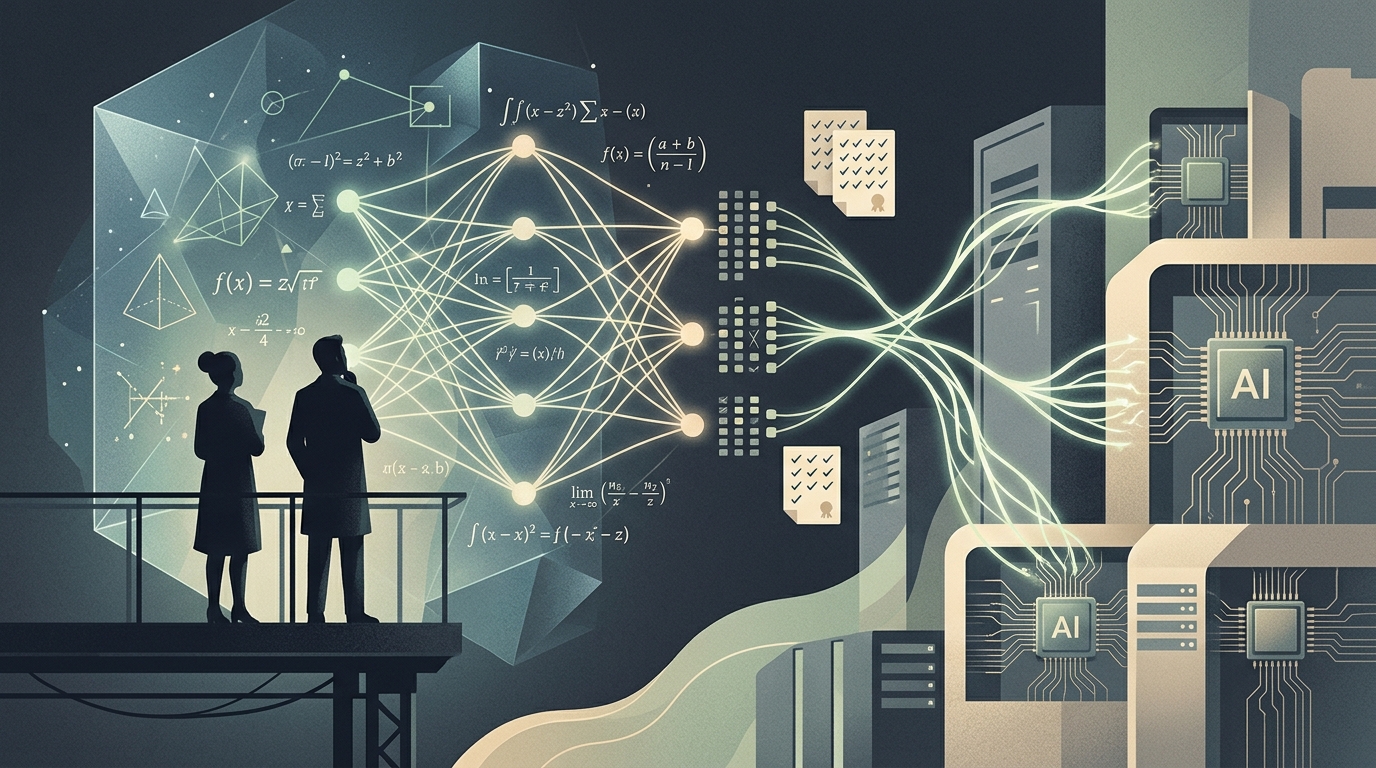
Ford’s strategy leaned heavily on ‘digital twins’ and generative AI to design new models. The promise was seductive: faster development cycles, lower costs, and the elimination of physical prototypes. However, theory collided with the unyielding laws of physics. Algorithms, no matter how sophisticated, tend to operate in a ‘sterile’ data environment. They cannot predict how a specific metal alloy will react to extreme temperatures after five years of use, nor can they ‘feel’ the subtle vibrations that signal a future failure in a transmission system.
The returning veteran engineers bring what academics call ‘tacit knowledge.’ It is the ability to recognize a problem before it ever appears on a sensor, based on the experience of thousands of hours spent over open hoods and assembly lines. Ford discovered that quality issues in its new electric and hybrid models spiked, leading to costly recalls that AI simply could not foresee or prevent.
The Cost of Losing ‘Tribal Knowledge’
The displacement of older staff was not just a financial decision but a cultural statement. Automakers wanted to project an image of being ‘tech companies’ to satisfy Wall Street. In the process, however, they lost their ‘tribal memory.’ When an experienced engineer retires, they take with them decades of understanding about the ‘why’ behind specific design choices. Without this guidance, younger engineers—though brilliant at coding—often repeated past mistakes that had been solved as far back as the 1990s.
“AI can optimize a parameter you give it, but the veteran engineer is the one who knows which parameter you should be looking at in the first place,” says a Ford insider who requested anonymity.
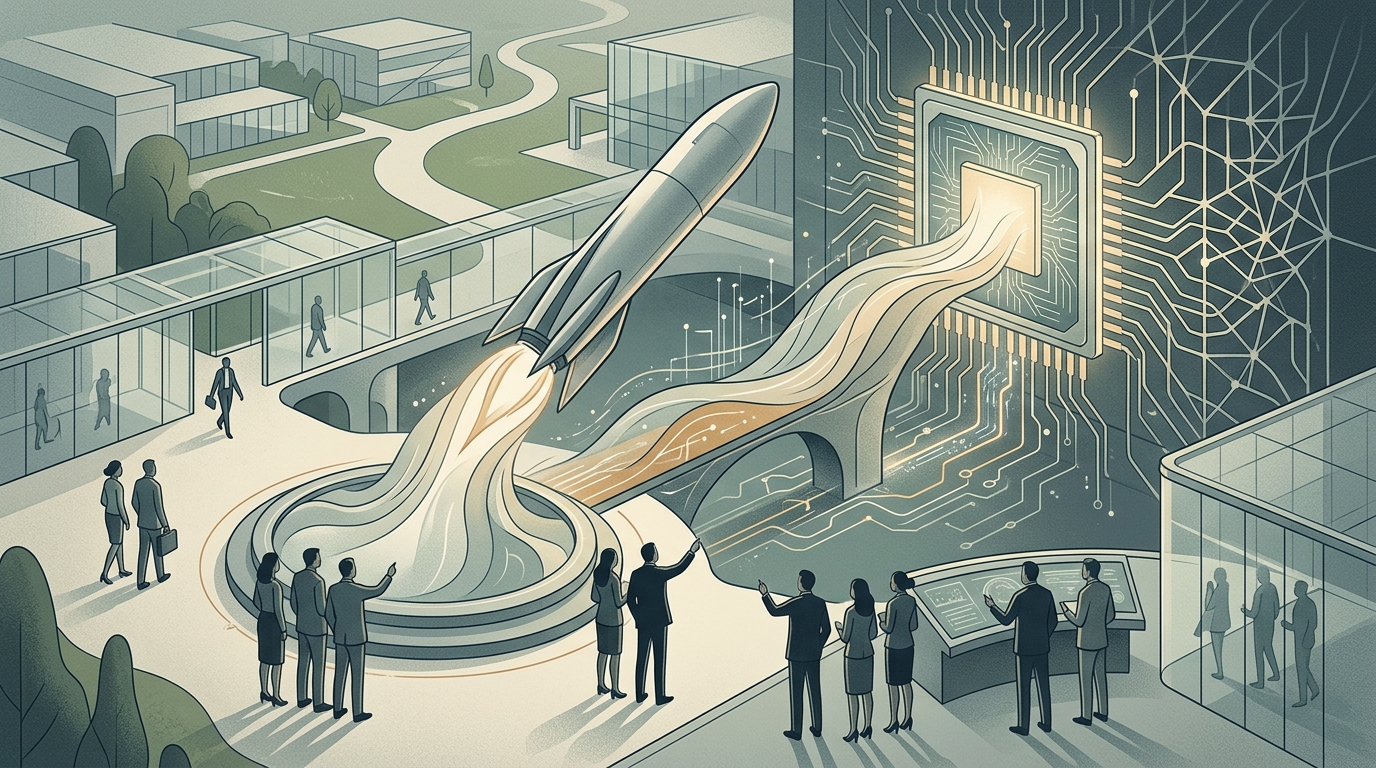
The return of the ‘gray beards’ does not signify the abandonment of AI. On the contrary, it marks a new phase of maturity. Ford is now pursuing a hybrid model where veterans act as ‘mentors’ to the algorithms, auditing AI outputs and providing the necessary real-world context. This marriage of traditional engineering and digital innovation appears to be the only path toward ensuring reliability in an era where vehicles are becoming increasingly complex.
The Revenge of Real-World Engineering
This phenomenon is not limited to Ford. Reports suggest other manufacturers, such as GM and Stellantis, are also re-evaluating their staffing strategies. Over-reliance on AI led to what many call ‘technological hubris’—the belief that code could entirely master matter. Engineers once dismissed as ‘dinosaurs’ of a bygone era are now being treated as the saviors of quality and safety.
In conclusion, Ford’s move serves as a loud lesson for the entire industrial world. Artificial Intelligence is a powerful tool, but it remains just that: a tool. Without the hand and eye of the master craftsman, the tool can produce results that look perfect on a screen but fail on the asphalt. The ‘revenge of the gray beards’ is, in reality, the restoration of balance between digital intelligence and human wisdom.