

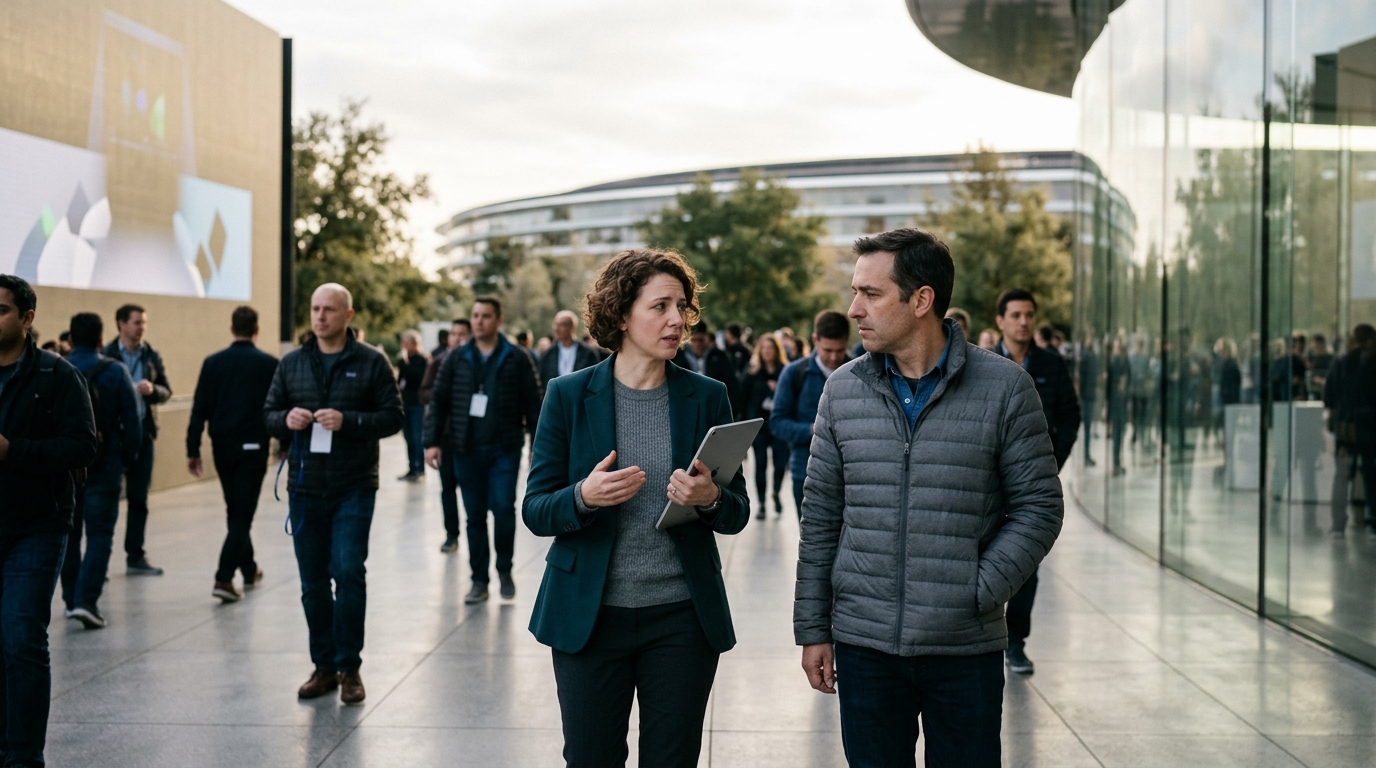
In a move that underscores the immense pressure tech giants face to keep pace with the artificial intelligence revolution, Apple has agreed to pay $250 million to settle a class-action lawsuit. The case, closely watched by both Wall Street and Silicon Valley, centered on allegations that the Cupertino-based company misled shareholders regarding the progress and timeline of generative AI features for its digital assistant, Siri.
The lawsuit alleged that Apple, in an attempt to bolster its stock price during 2024—a period when Microsoft and Google were releasing generative models at a breakneck pace—promised a "revolutionary" Siri overhaul that was not yet market-ready. Investors claimed that management's statements created a false sense of security, which crumbled when it became clear that "Apple Intelligence" would be released in fragmented stages, with many core features delayed by more than a year.
The Gap Between Hype and Delivery
For decades, Apple's mantra was "don't be first, be the best." However, the ChatGPT explosion in late 2022 fundamentally altered the landscape. Siri, once a pioneer in voice recognition, began to look like a relic compared to Large Language Models (LLMs). The pressure on Tim Cook and his leadership team was unprecedented. The market demanded a response, and Apple delivered one during WWDC 2024, promising a Siri that understood context and could perform complex cross-app tasks.
The problem, according to court documents, was that Apple allegedly knew its infrastructure—specifically its Private Cloud Compute nodes—was not ready to support the global volume of requests required for a full rollout. This led to a series of "stealth" delays that frustrated investors who had bet on a swift AI-driven upgrade cycle for the iPhone. The $250 million settlement, while a drop in the bucket for a company with Apple's cash reserves, serves as a tacit admission that the communication surrounding the AI transition was flawed.
Strategic Implications of the Settlement
Analysts suggest that Apple chose to settle to avoid a protracted discovery process that could have unmasked internal emails and documents regarding its AI development struggles. At a time when consumer trust in privacy is Apple's primary competitive moat, a public trial could have exposed vulnerabilities in how the company handles data for its AI training or the actual efficacy of its on-device models.
- The settlement covers investors who purchased shares during the period following the initial Apple Intelligence announcements.
- Apple continues to deny any wrongdoing, stating the settlement was reached to avoid the cost and distraction of ongoing litigation.
- The $250 million figure is one of the largest Apple has ever paid for a disclosure-related lawsuit.
This case sets a significant precedent for "AI-washing"—the practice of companies overstating their artificial intelligence capabilities to ride the wave of market enthusiasm. As regulators in the US and the EU tighten their grip on AI claims, tech conglomerates will likely become far more cautious about the roadmaps they present to the public and their shareholders.
Looking Ahead: Siri in 2026
As of May 2026, Siri has indeed evolved into a much more capable assistant, integrating multimodal capabilities that allow it to "see" a user's screen and react in real-time. However, the shadow of this legal battle lingers. Apple learned the hard way that in the AI era, where developments move at light speed, transparency is as vital as innovation.
"Innovation without timely execution is merely an expensive promise," noted one industry analyst during the settlement hearings.
The market is no longer satisfied with flashy demos at developers' conferences. It demands functional products delivered on schedule. For Apple, this settlement represents the closing of a chapter of uncertainty and the beginning of a more pragmatic approach to communicating its technological roadmap. The era of "magical" promises is being replaced by the era of verifiable performance.





