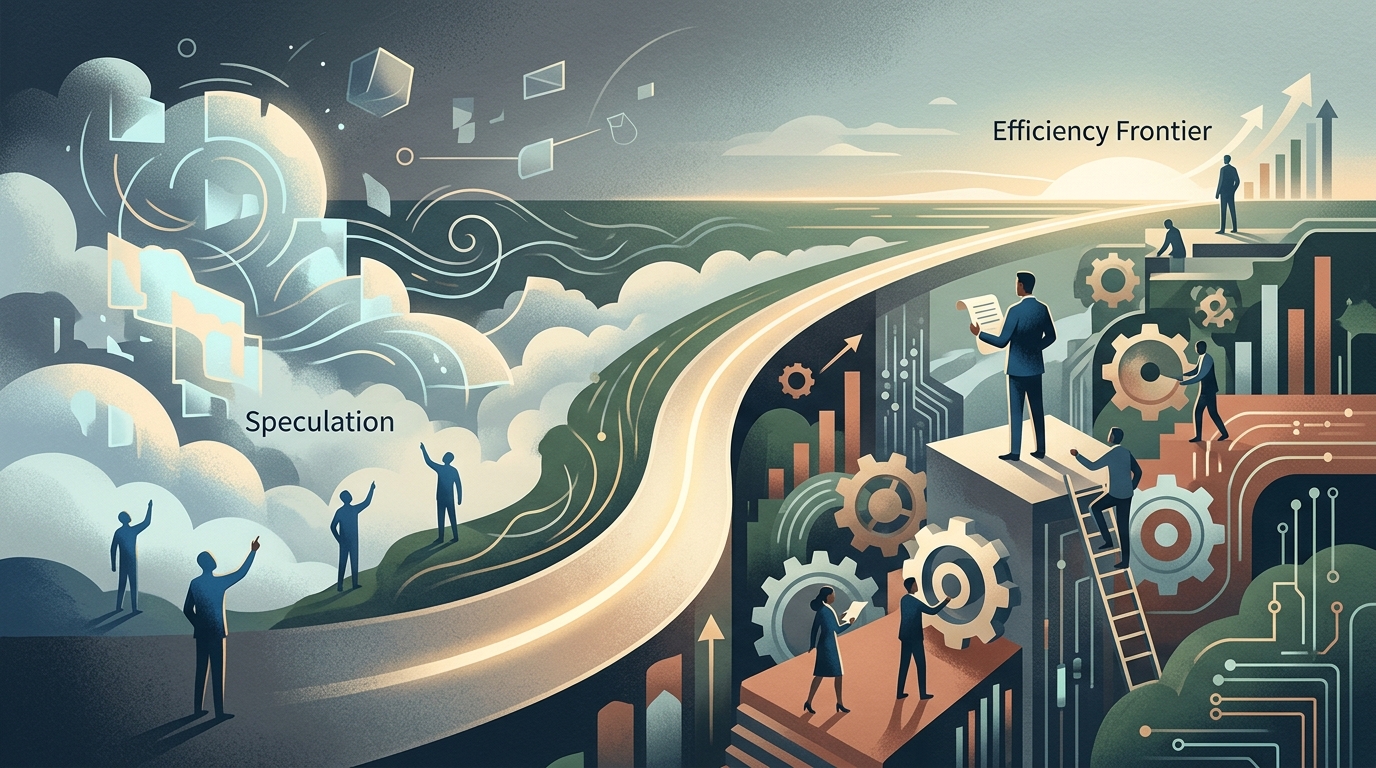
In the dizzying whirl of digital acceleration that defines 2026, the story of Sree Sreedhar, a high-achieving CEO, serves as a modern parable for the Artificial Intelligence era. Sreedhar, like many of her peers from Silicon Valley to London, embraced generative AI tools with near-religious fervor. The results were, on paper at least, spectacular: her productivity tripled. The hours spent on emails, reports, and strategic planning shrank, theoretically leaving her with more time. However, the revelation didn't come from a financial ledger, but from an essay written by her daughter, a student at Dartmouth, which posed a devastating question: What happens to our souls when efficiency becomes our only god?
The Illusion of Time Abundance
Sreedhar’s experience mirrors a broader trend in the corporate world. With the advent of advanced AI models that now handle 80% of administrative tasks, business leaders have found themselves facing an unexpected identity crisis. If AI can draft a perfect strategy in seconds, what is the role of the human leader? Sreedhar believed she had found the answer: to do more. More meetings, more decisions, more presence. But as her daughter pointed out in her writing, this "triple productivity" did not translate into a triple quality of life or deeper connection. Instead, it created a vacuum that was immediately filled by new, automated obligations.
The Dartmouth essay, which circulated widely in academic circles, argued that Gen Z views AI not as a tool for liberation, but as an accelerator for corporate burnout. "If my mother can do the work of three people, then society will demand that we all become three people at once," the young student wrote. This observation struck a raw nerve with Sreedhar, forcing her to wonder if the technology supposed to give us back our time is ultimately consuming it at a higher velocity.
The Generational Clash and the Future of Work
The difference in perspective between the CEO mother and the student daughter highlights the great divide of 2026. On one side, we have the older generation of leaders who see AI as the ultimate power and profit multiplier. On the other, the new generation entering the workforce demands "authenticity" and a "human pace." The critique from Sreedhar’s daughter wasn't about the technology itself, but the dehumanization of communication. When a CEO uses AI to respond to personal messages from employees, productivity increases, but trust erodes.
- Mechanical Empathy: Using AI to manage human relationships creates a void of authenticity.
- Jevons Paradox in Labor: The more efficiently we use a resource (time), the more we tend to consume it.
- Redefining Success: The need for new metrics that measure mental resilience, not just output.
At Dartmouth and other elite institutions, the conversation has shifted from "how to use AI" to "how to protect ourselves from its omnipresence." Students are seeking ways to preserve critical thinking and creativity in a world where AI offers ready-made, yet often cliché, solutions. Sreedhar admitted that reading the essay was a "moment of humility" that led her to set strict boundaries on AI use in her personal and leadership interactions.
The Search for the "Human Advantage"
As we move toward the latter half of the decade, Sreedhar’s example shows that leadership in the AI age requires more than technical proficiency. It requires the wisdom to know when to turn off the algorithm. Real productivity isn't the volume of data we produce, but the value of the decisions we make and the quality of the relationships we build. Sreedhar now promotes a culture of "controlled deceleration" in her company, encouraging employees to use AI for mundane tasks but to dedicate the time saved to deep thought and interpersonal connection.
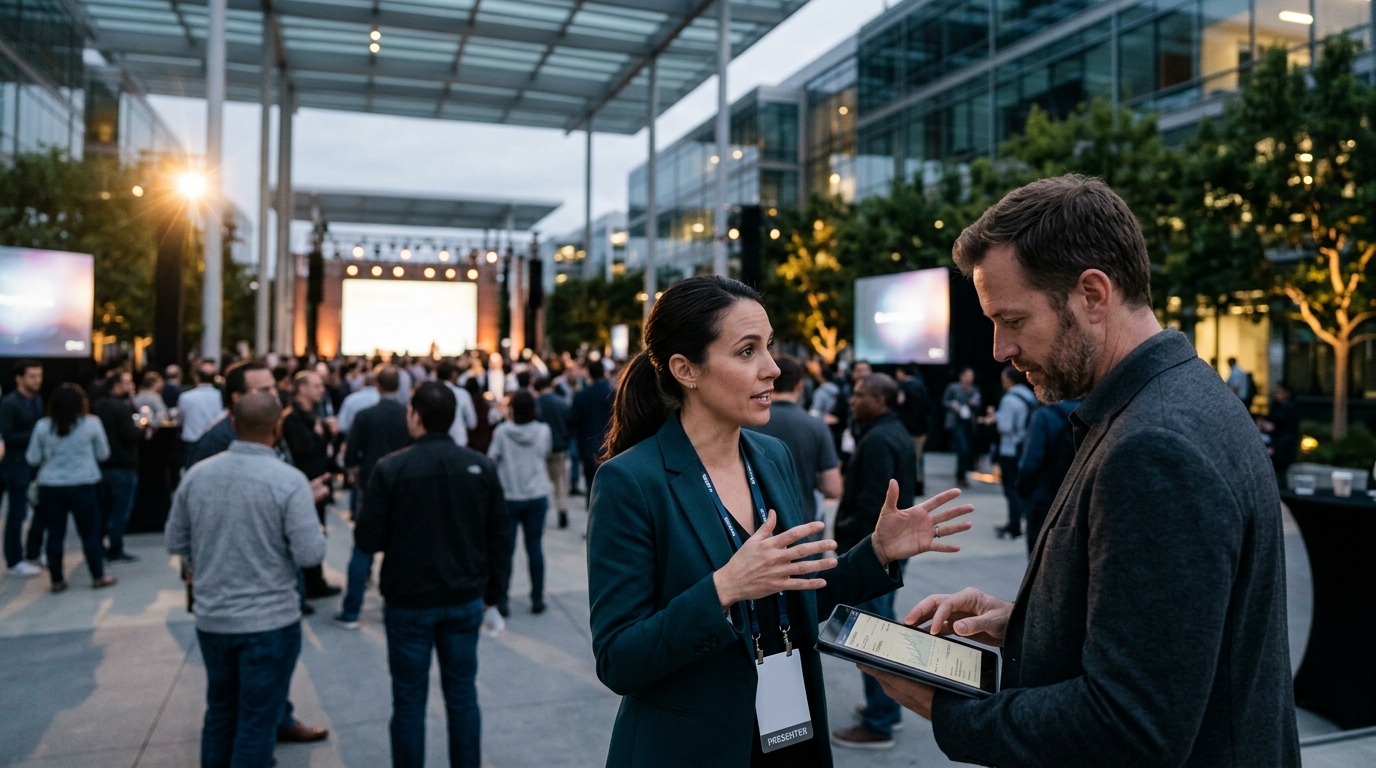
"AI can give me the answers, but my daughter gave me the questions. And in leadership, the questions are always more important than the answers," Sreedhar stated at a recent conference.
The conclusion is clear: technology is an excellent servant but a poor master. The challenge for tomorrow's leaders is not to become three times more productive, but to become three times more present in the moments that truly matter. This story serves as a warning for us all: if we are not careful, AI will help us reach a destination faster that we might no longer wish to visit.