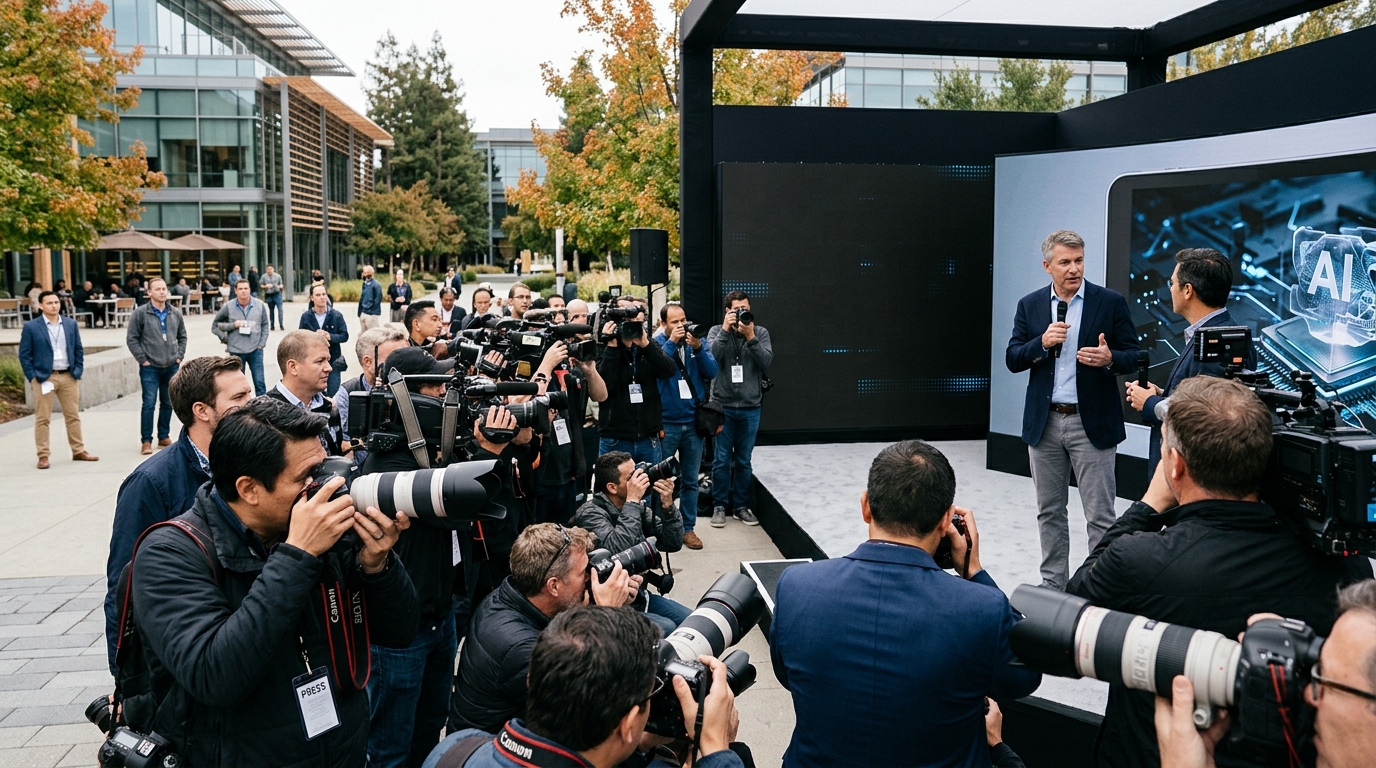
As we move through mid-2026, the artificial intelligence landscape is no longer defined solely by parameter counts or benchmark scores, but by a much more mundane yet decisive factor: pricing per million tokens. What began as a technological arms race has devolved into a ruthless price war, with OpenAI and Anthropic finding themselves locked in a strategic defense against aggressive new entrants like China's DeepSeek.
The Disruption from the East: The DeepSeek Phenomenon
DeepSeek's emergence on the global stage marked a definitive turning point. By offering models that compete head-to-head with GPT-4o and Claude 3.5 Sonnet at a fraction of the operating and usage costs, the Beijing-based firm proved that the 'brute force' approach of multi-billion dollar compute budgets isn't the only path forward. DeepSeek managed to optimize model training so efficiently that inference costs plummeted, forcing American competitors to radically rethink their business models.
OpenAI's reaction was swift but painful. Through successive price cuts to its APIs and the aggressive promotion of 'mini' versions of its flagship models, it is fighting to maintain its market share among developers and enterprises. However, this strategy raises serious questions about long-term profitability, especially when the development costs for the next frontier model (GPT-5) are estimated to reach $10 billion.
Anthropic’s Strategy: Quality vs. Cost
On the other side, Anthropic—backed by Amazon and Google—is walking a tightrope. While forced to follow the downward price trend to remain competitive, it is doubling down on 'safety' and 'constitutional AI' as its primary differentiators. Anthropic’s leadership argues that enterprises will be willing to pay a premium for AI that is less prone to hallucinations and more compliant with evolving EU and US regulations.
- API cost reductions have exceeded 80% compared to the previous year.
- Techniques like quantization and distillation allow smaller models to perform like giants.
- Competition is shifting from general-purpose models to domain-specific tools.
The Commoditization of Intelligence
The big question looming over Silicon Valley is whether artificial intelligence is becoming a 'commodity'—a product sold primarily on price rather than brand identity, much like electricity or oil. If this happens, companies relying solely on selling model access will face a crisis of survival. Value is rapidly shifting toward the application layer and the proprietary data that feeds these models.
"We are no longer in the era of discovery; we are in the era of efficiency. Whoever can produce the best output at the lowest energy and financial cost will dominate the next market cycle," notes a senior industry analyst.
In conclusion, the price war between OpenAI and Anthropic is merely the tip of the iceberg. It represents a profound structural shift in the information economy, where intelligence is becoming cheaper to consume, but market dominance is becoming more expensive than ever to maintain.