

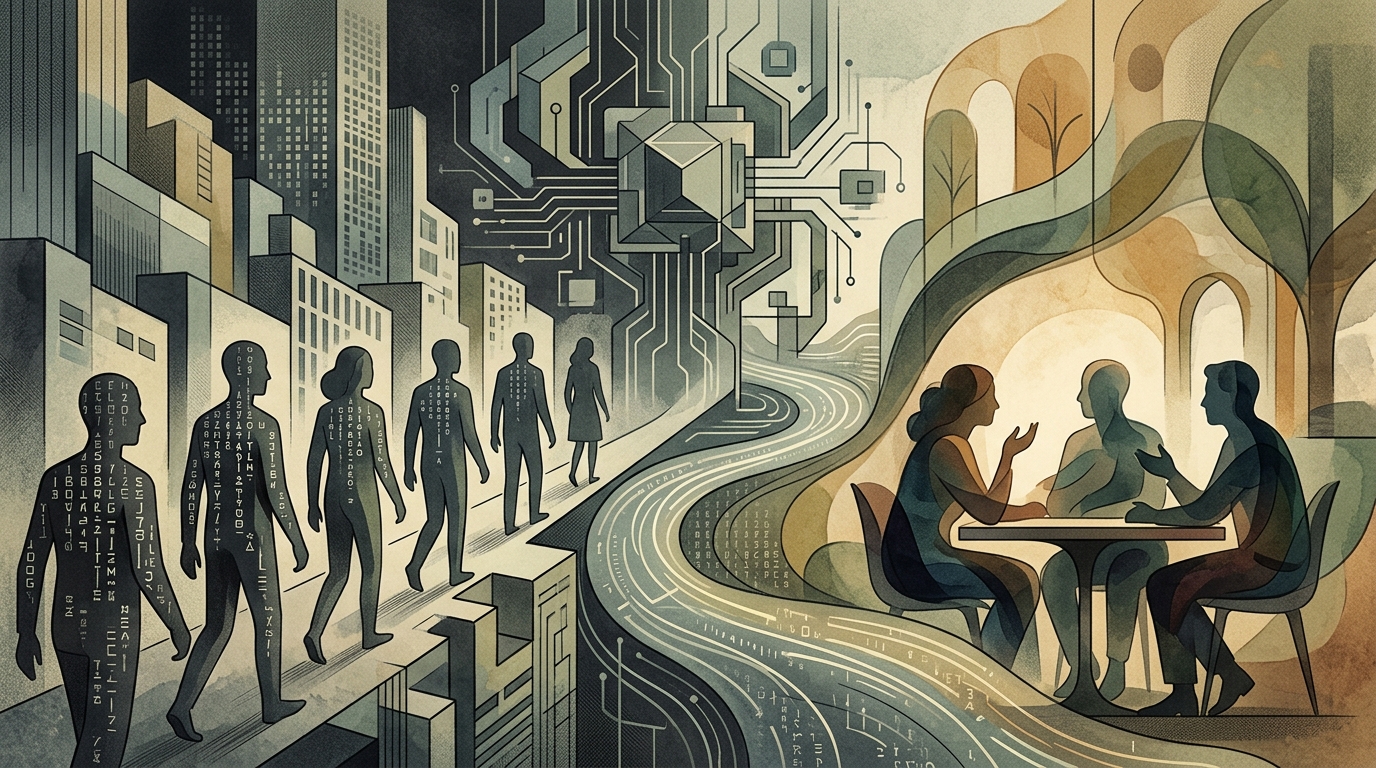
I have been watching the latest developments in our digital landscape, and I find myself wondering: at what point does our pursuit of technical proximity begin to erode our actual human connection? We are currently witnessing a shift from unbridled enthusiasm to a cold, hard reckoning with cost—both financial and social.
The Myth of Infinite Resources
At Microsoft, we recently saw the rise and fall of "tokenmaxxing." One employee managed to consume $28,000 worth of AI resources in a mere 28 days. It is a staggering figure that reminds me of how easily we lose sight of value when we are obsessed with usage. Management is now stepping in to demand fiscal discipline, shifting the focus to meaningful outcomes rather than raw consumption. Is this the end of the AI honeymoon? Even Google is feeling the pressure, raising the price of its TV Streamer by $50 due to component shortages, a trend mirrored by Apple and Amazon. It seems the "digital future" comes with a mounting surcharge.
"The focus must shift from 'tokenmaxxing' to maximizing outcomes that provide meaningful value." — Jay Parikh, Microsoft
Proximity Without Presence
Perhaps the most poignant example of our current dilemma is the "loneliest baseball game" played on the Apple Vision Pro. While the technology allows an unprecedented sense of intimacy with players, the actual experience is described as sterile and isolating. How can we enjoy a game when we cannot even eat or move without the "whiplash" of transitioning back to reality? We are optimizing for proximity—seeing the sunflower seeds in the dirt—while sacrificing the sociality that defines the sport. Are we building tools that make us present in a world where we are ultimately alone?
A Different Path in Kalamaria
In contrast to this isolation, I look at what happened recently in Greece. At a supermarket in Kalamaria, the Pepper robot was used not to isolate, but to engage. Families interacted with a humanoid robot while shopping for school supplies. It was a digital experience, yes, but one rooted in a shared physical space. It suggests that technology can be an active communication tool rather than a barrier. However, we must remain vigilant. As the EU places ChatGPT and Reddit under the strictest oversight of the Digital Services Act, and as the FTC sues Amazon for $20 billion in alleged ad overcharges, we are reminded that the platforms we trust are often manipulating the very auctions that determine what we see and what we pay. We must ask ourselves: is the convenience worth the price of our autonomy?