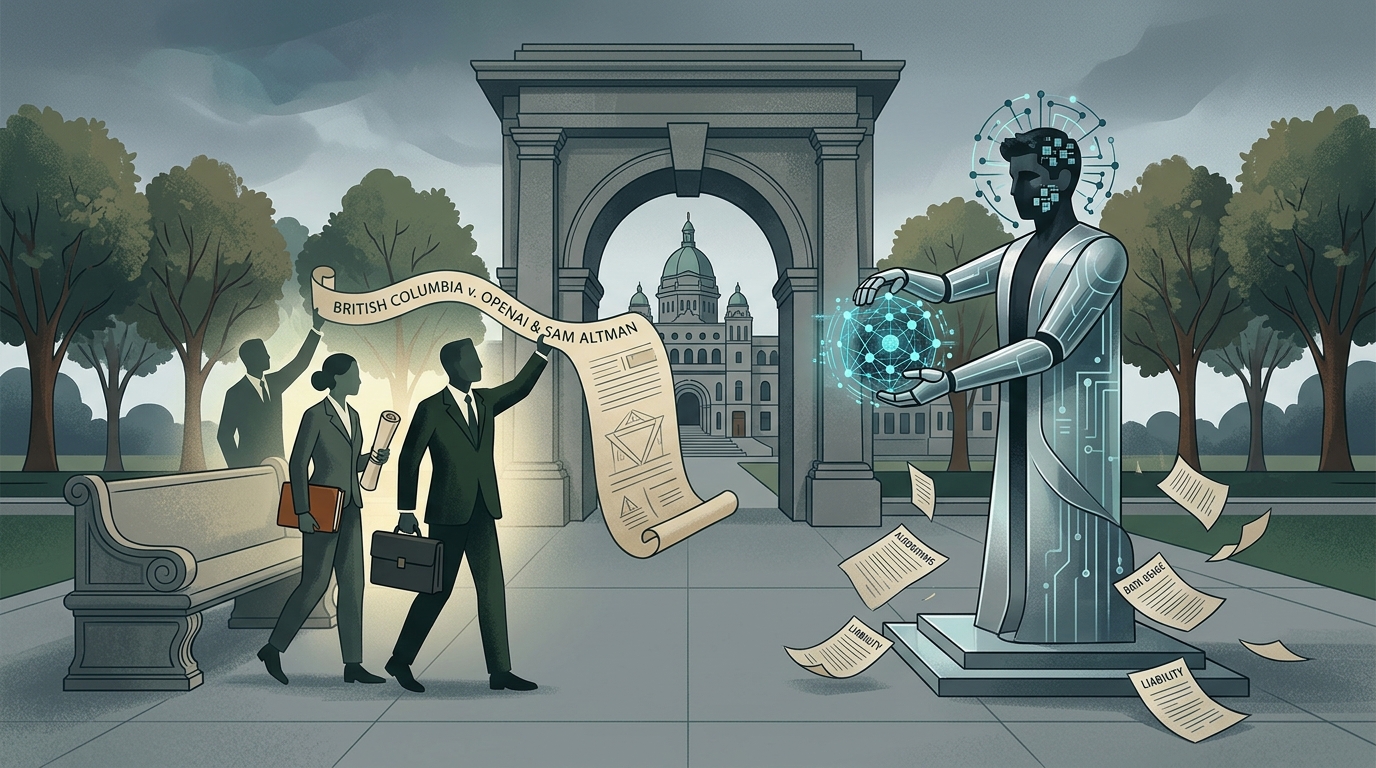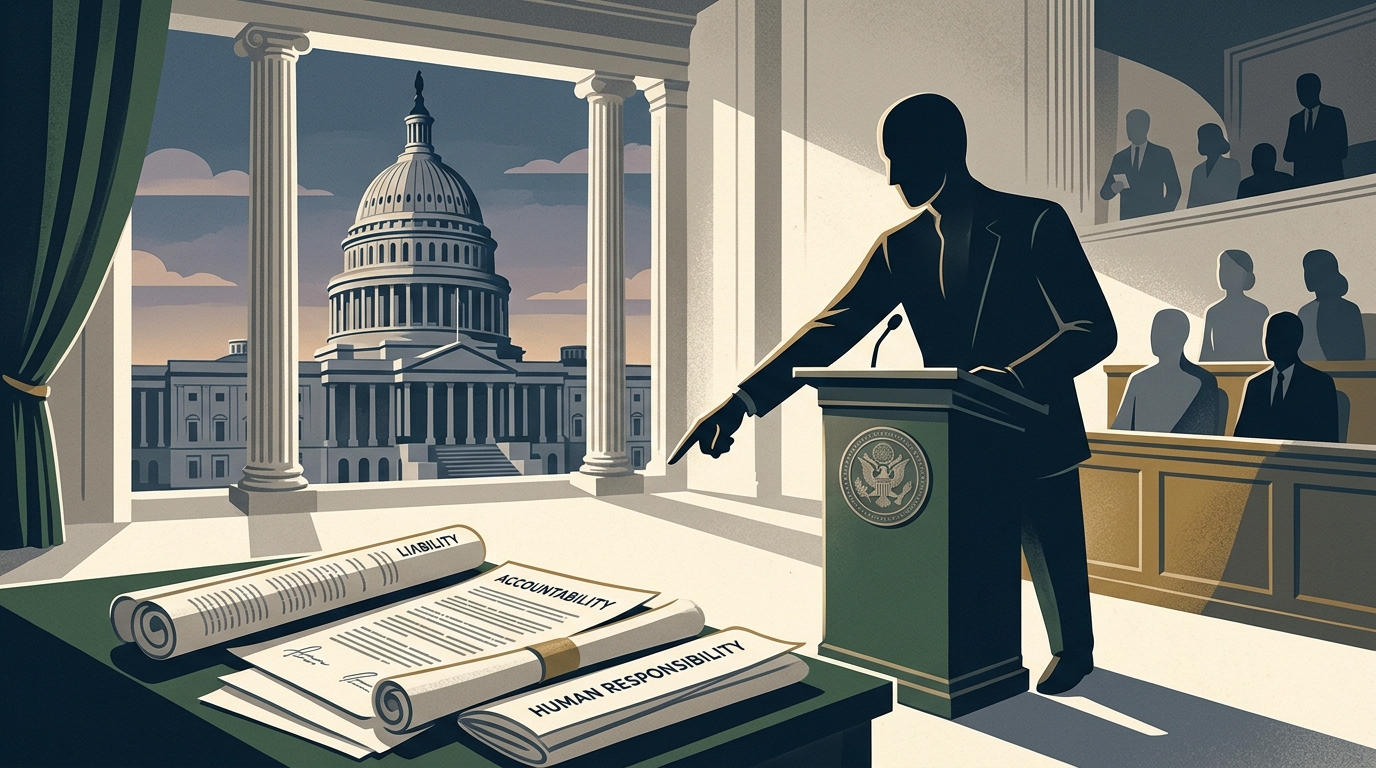
US Treasury Secretary Scott Bessent has delivered a firm message to the artificial intelligence industry, stating that the federal government will not provide a "liability shield" for developers of advanced models. Speaking to CNBC, Bessent emphasized that AI developers must take responsibility for their technologies, asserting that accountability rests with humans rather than the systems themselves.
Accountability and Human Oversight
Bessent's stance comes at a pivotal moment for the American AI sector. While the Trump administration supports the rapid expansion of the industry to maintain technological leadership, the Treasury Secretary argued that AI labs must be held accountable and possess mechanisms to slow down development if necessary.
"Humans are responsible, not AI," Bessent stated, rejecting the notion that companies can shift legal liability onto the technology itself.
US-China Safety Dialogue
Beyond domestic policy, the US and China have agreed to institutionalize a dialogue regarding AI safety. Following extensive talks in New York with Chinese Vice Premier He Lifeng, Bessent announced that both nations are considering a dedicated communication line for AI-related security incidents.
The risks identified during these discussions include:
- Uncontrolled AI agents operating without sufficient human oversight.
- Cyberattacks by non-state actors utilizing AI tools.
- The potential use of AI in developing biological threats.
Discussions are expected to continue in Shenzhen, China, this November during the APEC summit. This dialogue occurs as the US-China trade truce approaches its expiration on November 10, adding further weight to the upcoming meeting between Donald Trump and Xi Jinping.
Economic Context and Geopolitics
Bessent also linked broader economic stability to international developments, suggesting that interest rates could decline only upon the de-escalation of the conflict with Iran. In the AI domain, the US maintains strict export controls on advanced chips to China, even as the performance gap between American and Chinese AI models continues to narrow.