Artificial intelligence may be capable of writing prose and solving complex equations, but according to Yann LeCun, it lacks the fundamental understanding of the physical world possessed by even a rat. The French scientist, a seminal figure in AI research, departed Meta in 2025 to establish Advanced Machine Intelligence Labs (AMI Labs), aiming to push AI beyond the constraints of current Large Language Models (LLMs).
The Limits of Statistical Prediction
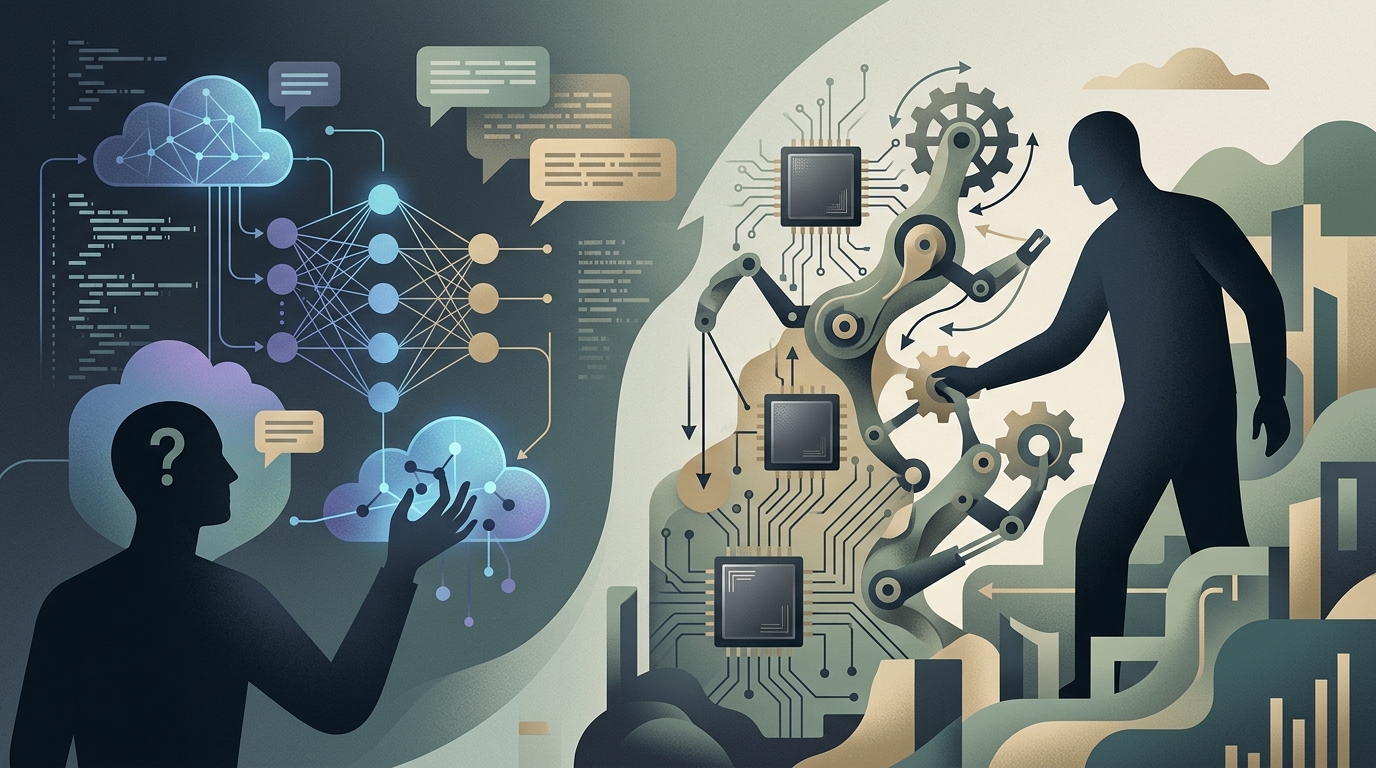
While acknowledging that LLMs like ChatGPT and Claude excel in "defined" tasks such as coding and mathematics, LeCun argues these systems merely accumulate knowledge and reproduce patterns. They lack an internal model of reality. In the physical world, where actions carry risk and cost, statistical guessing is insufficient. LeCun cites the example of a falling pen: while a child understands it will fall without needing to predict the exact direction, a traditional LLM tries to guess a specific outcome based on data patterns, lacking any true sense of physics.
JEPA: Building World Models
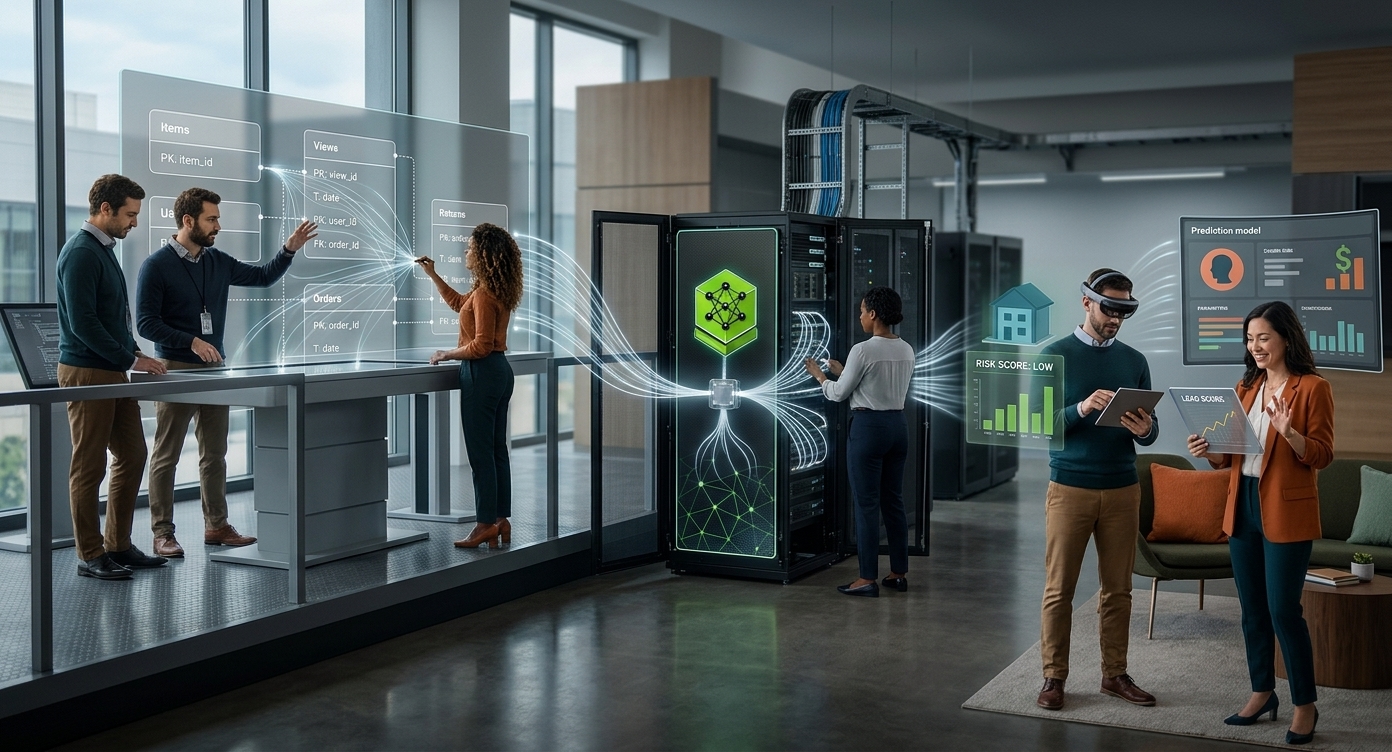
To bridge this gap, AMI Labs is developing the Joint Embedding Predictive Architecture (JEPA). This architecture focuses on creating abstractions of the real world—internal representations that retain vital information while filtering out irrelevant "noise." This approach aligns with the broader category of "World Models," where AI learns through mental simulations of how reality functions.
Ingmar Posner, Professor of Applied AI at Oxford, echoes this sentiment, suggesting that the next decade of AI will focus on systems that understand causality and can answer "what if" scenarios, moving away from static data processing.
Funding and Human Agency
Investors have signaled strong confidence in this direction; AMI Labs has raised over $1 billion in a seed round featuring Nvidia and Jeff Bezos's personal venture fund. This marks one of the largest seed rounds ever recorded in Europe. Industrial testing is slated to begin as early as next year.
LeCun’s vision for the future does not involve the total displacement of humans. Instead, he views AI as a highly intelligent consultant. In this model, humans retain the role of setting goals and directions—the "what" and the "why"—while the AI systems determine the "how" to achieve those objectives.