ByteDance, the Chinese tech titan behind the global phenomenon TikTok, is no longer just about viral videos and engagement algorithms. In a move that underscores a profound shift in the technology landscape, the company’s research arm recently showcased a series of AI-designed therapeutic molecules and treatment frameworks at major international scientific conferences. This development positions ByteDance as a formidable contender in the "AI for Science" movement, a field that promises to slash the time and cost of drug development by orders of magnitude.
The Convergence of Algorithms and Biology
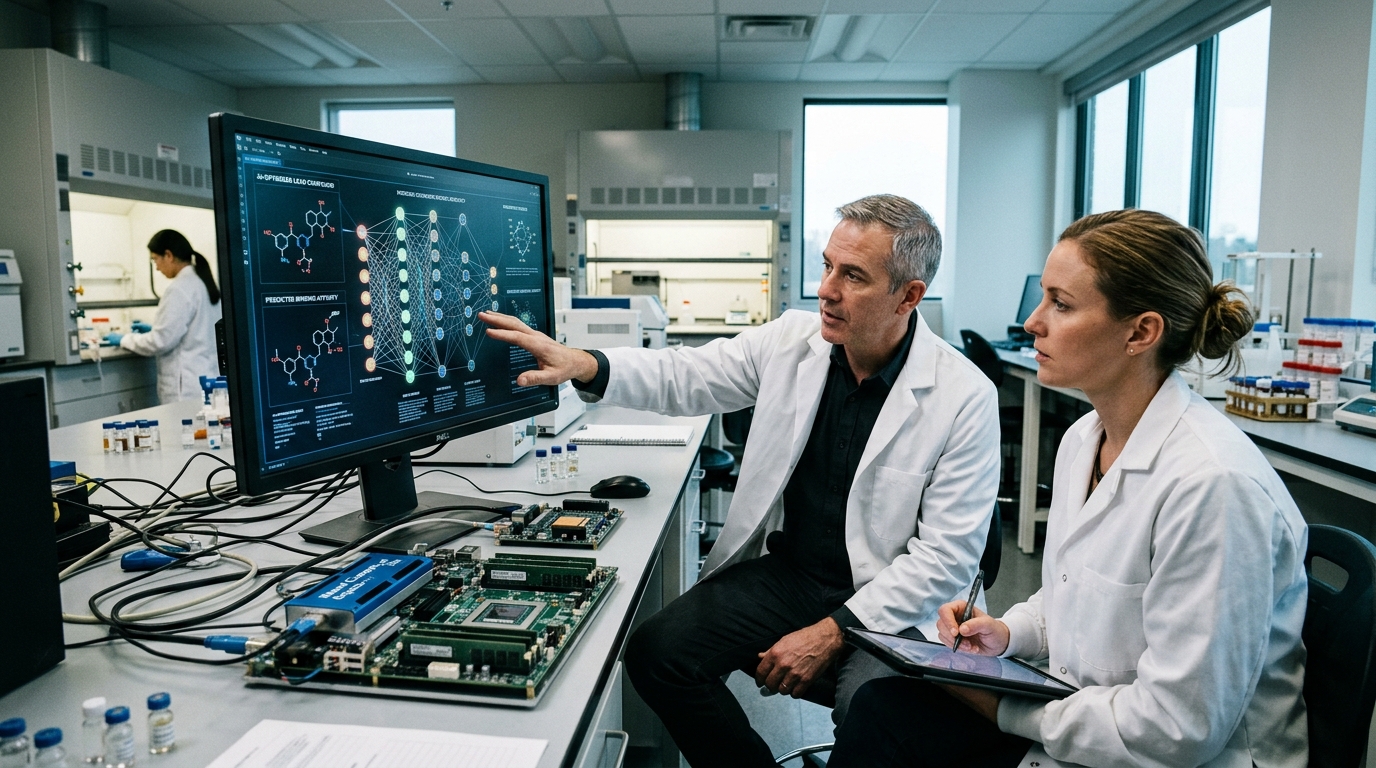
ByteDance’s presence at prestigious venues like the International Conference on Machine Learning (ICML) and specialized biotech summits is a calculated evolution. The company has been quietly assembling a dream team of computational biologists, chemists, and structural biology experts. By leveraging its vast experience in deep learning, ByteDance Research is tackling one of science's hardest problems: predicting protein structures and molecular interactions with unprecedented speed.
The therapies presented range from treatments for autoimmune disorders to innovative approaches for rare cancers. Unlike traditional methods that rely on screening thousands of existing compounds, ByteDance’s generative AI models design new molecules from scratch. These molecules are custom-tailored to bind to specific biological targets, potentially leading to drugs that are both more effective and less toxic than those discovered through conventional trial-and-error.
Strategic Diversification in a Volatile Climate
The strategic rationale for a social media giant entering the pharmaceutical space is multifaceted. Beyond the pursuit of new markets, ByteDance is seeking to diversify its portfolio amidst intense regulatory scrutiny in the West. While TikTok faces potential bans and data privacy concerns in the US and Europe, the healthcare sector offers a path toward "high-impact" social utility. Saving lives through AI-driven medicine provides a layer of corporate legitimacy that is difficult to challenge on purely political grounds.
- Reduction of R&D cycles from a decade to potentially just months.
- Utilization of massive pre-existing GPU clusters and computing infrastructure.
- Potential for high-margin licensing deals with traditional Big Pharma companies.
Moreover, ByteDance is following a path blazed by Google’s DeepMind (with AlphaFold) and Baidu (with HelixFold). The race for dominance in "digital biology" is now a central front in the broader technological rivalry between the United States and China, with significant implications for national security and economic sovereignty.
Geopolitics and the Ethical Frontier
The entry of Chinese tech giants into global healthcare is not without friction. Concerns persist regarding the handling of sensitive genomic data and the dual-use potential of advanced biological modeling. While the scientific community welcomes the influx of capital and talent, regulators are grappling with how to validate AI-designed drugs. How do we ensure that algorithms developed by a company under the influence of the Chinese state are transparent, safe, and ethically sound?
"Artificial intelligence is not just changing how we discover drugs; it is redefining our understanding of life itself," a ByteDance researcher noted during a recent presentation.
In conclusion, ByteDance’s foray into drug discovery is a landmark moment. it signals the erasure of boundaries between the digital and biological worlds. In the coming decade, the world’s leading pharmaceutical innovators may not be defined by the size of their wet labs, but by the sophistication of their neural networks. ByteDance is betting that the same algorithmic prowess that captures human attention can also master the intricacies of human biology.