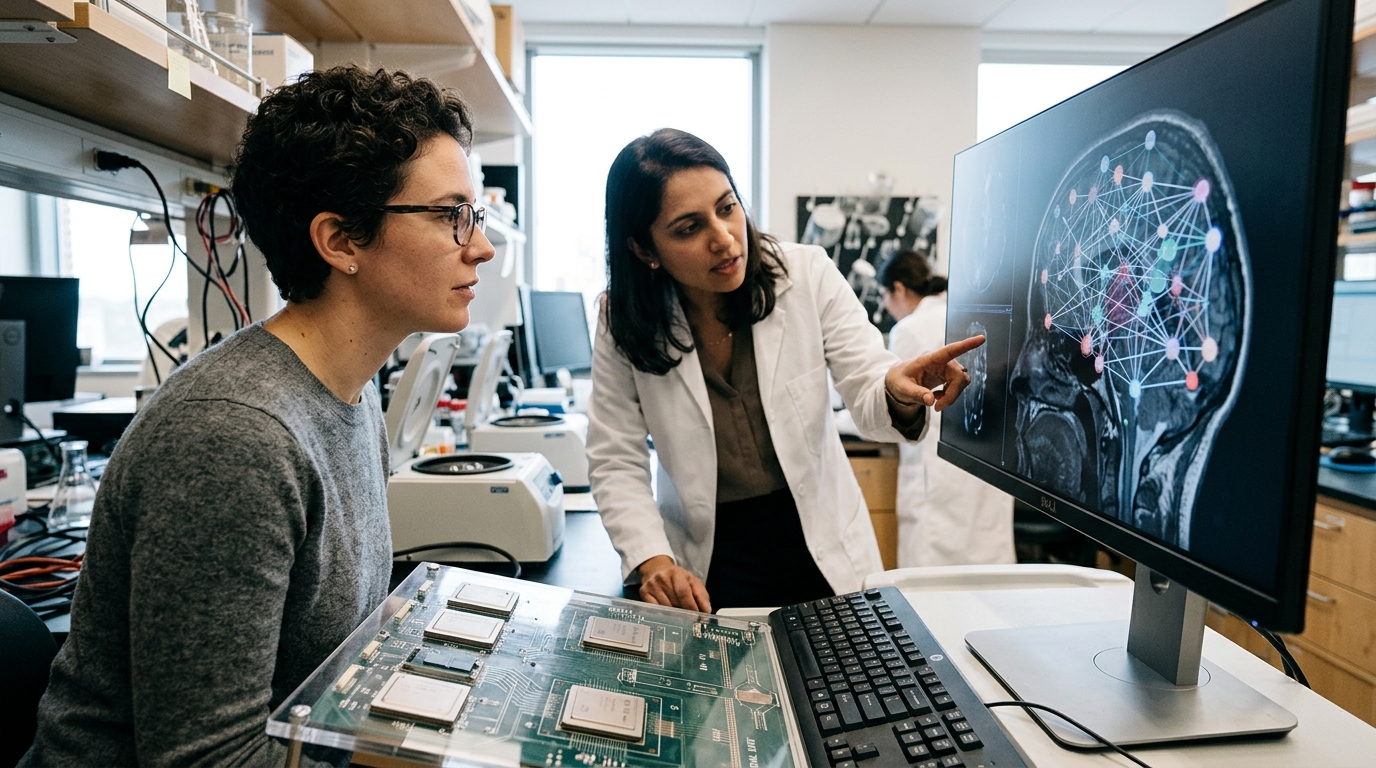
As of June 21, 2026, the modern hospital has become a symphony of human expertise and algorithmic precision. Artificial Intelligence (AI) is no longer a futuristic concept or an experimental tool confined to high-tech research centers; it is an active participant in surgery, radiology, and genomic analysis. However, as this technology weaves itself deeper into the sacred fabric of medical care, new boundaries are emerging that redefine what it means to be a physician in the 21st century.
Recent reports highlight a paradoxical challenge: while AI increases diagnostic accuracy, it threatens to distance the healer from the patient. Doctors are now forced to navigate a landscape where their authority is questioned by systems capable of processing millions of medical papers in seconds, identifying patterns that the human eye simply cannot perceive. This shift is not merely technical; it is ontological.
From Diagnosis to Prognosis: The Predictive Power
Traditional medicine has always been reactive: a patient presents symptoms, a doctor diagnoses the cause and prescribes a treatment. AI is flipping this model by shifting the focus toward prognosis. Using predictive algorithms, hospitals can now anticipate cardiac events or sepsis hours before clinical signs appear. This "predictive advantage" saves lives, but it also creates an ethical vacuum. How does a physician handle information about a disease that has not yet manifested? What are the limits of intervention in an organism that, on paper, remains healthy?
- Real-time biomarker analysis via wearable devices.
- Predictive models for managing chronic conditions like diabetes.
- Personalized medicine based on a patient's complete genomic profile.
The ability of AI to identify tumors in X-rays and MRIs with an accuracy exceeding 95% has already transformed the specialty of radiology. Radiologists are no longer the sole "interpreters" of images; they have become the auditors of an automated process. This role reversal creates a sense of professional uncertainty regarding identity and the boundaries of clinical responsibility.
The "Black Box" and the Trust Deficit
One of the most significant hurdles to the full adoption of AI in medicine is the "black box" problem. Many deep learning algorithms arrive at conclusions through processes that are opaque even to their creators. When an algorithm suggests an aggressive course of chemotherapy, the doctor must be able to explain the "why" to the patient. If the answer is simply "because the system said so," the foundation of trust—the cornerstone of medicine—is jeopardized.
"Medicine is an art based on science, but the doctor-patient relationship is purely human. If we allow AI to become the sole arbiter, we risk losing the empathy essential for true healing," notes a leading bioethicist.
Furthermore, the issue of legal liability remains murky. In the event of a medical error caused by a flawed AI recommendation, who is responsible? Is it the doctor who followed the advice, the company that developed the software, or the hospital that implemented it? New legal frameworks being debated in the EU and the US are attempting to define these boundaries, but technology is currently outpacing legislation.
Reclaiming Humanism in Medicine
Despite fears of automation, many experts argue that AI could actually make medicine more "human." By liberating doctors from administrative burdens and manual data analysis, technology provides them with the time to return to the patient's bedside. The physician of the future will not be a "living computer" but a counselor, an interpreter of technological data, and a guardian of the patient's holistic well-being.
In conclusion, the entry of artificial intelligence into medicine does not signal the end of the medical profession; rather, it marks the beginning of a new era. The boundaries being established today are not restrictive but protective. They aim to ensure that technology remains a tool at the service of humanity, rather than an unchecked master of life and death. The challenge for the medical community is to embrace innovation without sacrificing the values that have underpinned the Hippocratic Oath for millennia. The future of healthcare lies in the synergy between the cold logic of the machine and the warm touch of the human hand.