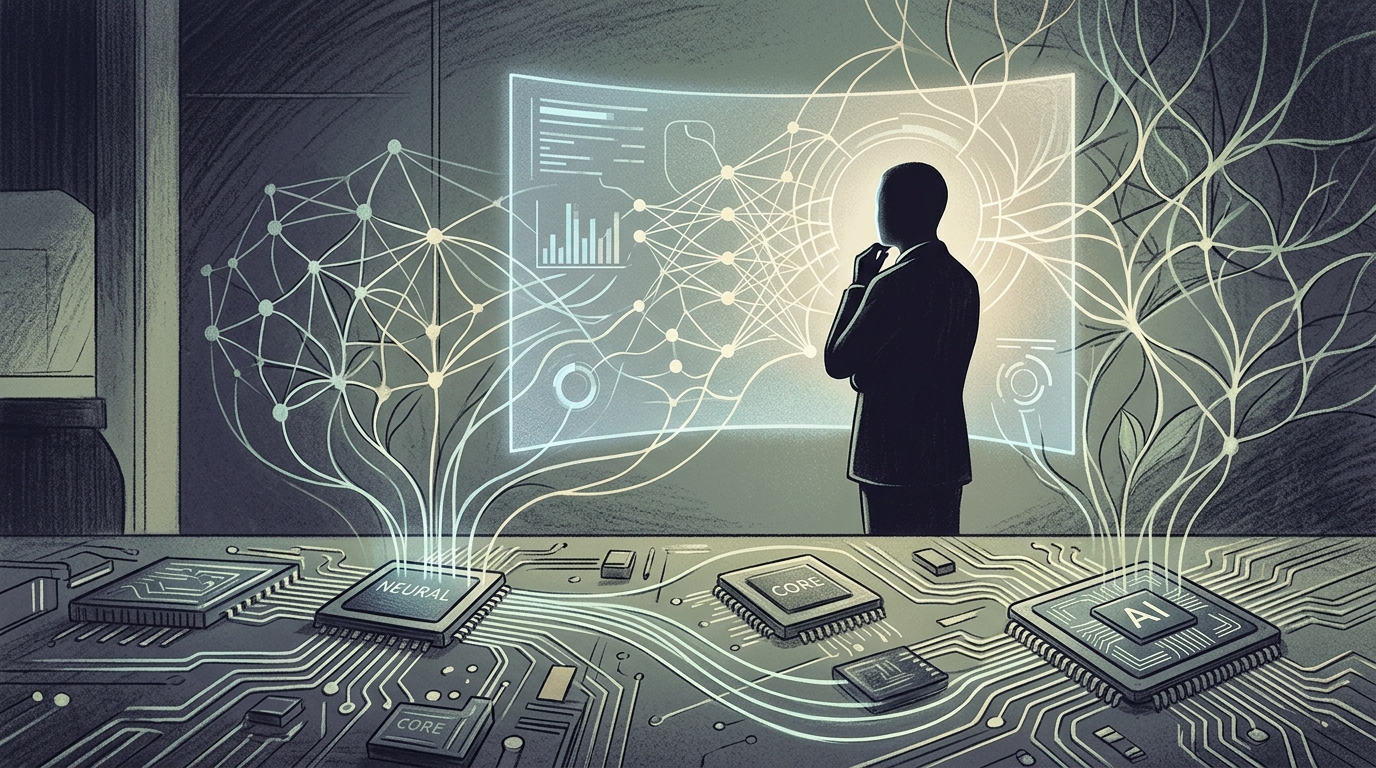
At the dawn of the Fourth Industrial Revolution, the concept of "leadership" is undergoing a radical transformation. Administrative prowess or financial acumen is no longer enough; the modern leader must be able to navigate the labyrinthine codes of neural networks and the ethical challenges of automation. The recent news that Aditya Gupta, a distinguished expert in Artificial Intelligence (AI), was honored with inclusion in the Marquis Who's Who list, is more than a personal milestone. It is a sign of the times, a confirmation that the architecture of technology is now the architecture of society itself.
The Shift Toward Technical Leadership
For decades, lists like Marquis Who's Who were dominated by politicians, humanities academics, and industrial tycoons. However, the emergence of figures like Aditya Gupta underscores a critical shift. Gupta, with his extensive experience in developing scalable AI systems and leading engineering teams globally, represents the new paradigm of the "engineer-leader." These individuals do not just design products; they design the tools that will define productivity, communication, and decision-making for generations to come.
Gupta's contribution to the field is not limited to mere coding. His leadership focuses on the bridge between theoretical research and practical application. In a world where AI is often viewed as a "black box," the ability to guide the development of models that are both powerful and reliable is rare. This distinction recognizes exactly that ability: translating technological complexity into business and social value.
"True leadership in AI is not about building the smartest machine, but about creating the frameworks where human ingenuity and machine efficiency can coexist safely."
The Significance of Institutional Recognition
Many wonder if "Who's Who" lists retain their relevance in the age of LinkedIn and instant digital networks. The answer lies in the selection process. Marquis Who's Who utilizes criteria based on merit, position, noteworthy accomplishments, and visibility in a field. For an AI professional, this recognition serves as a guarantee of ethical and professional integrity in a market often overwhelmed by hype and empty promises.
Gupta's career path shows that success in AI requires a holistic approach. From algorithmic optimization to talent management, his role demands a deep understanding of how machines learn, but also how humans collaborate with them. The honor bestowed upon him reflects the growing need for role models who can inspire the next generation of data scientists and software engineers. As AI moves from the fringes of R&D to the core of corporate strategy, the figures leading this transition become the new icons of progress.
Challenges and the Future of AI Leadership
Despite the accolades, AI leadership carries a heavy burden. As systems become more autonomous, leaders like Gupta are called to answer questions regarding algorithmic bias, privacy protection, and job displacement. The recognition of an expert is not just about their past; it is about the trust the community places in them to manage these challenges in the future.
- Ethical data usage as a priority in software development.
- The need for transparency in machine learning models (Explainable AI).
- Training executives on how to effectively utilize new AI tools.
- Fostering a culture of lifelong learning within organizations to keep pace with rapid innovation.
In conclusion, the honoring of Aditya Gupta is a reminder that behind every algorithm lies human judgment. Artificial Intelligence is not a self-fulfilling prophecy but a tool that requires robust and visionary leadership to bear fruit for the benefit of humanity. Gupta's journey provides a roadmap for how technical expertise can be transmuted into global influence, setting a high bar for excellence in the technology sector.