
AI Policy

The Manchester Exception: The Single English County Saying No to Palantir
A regional rebellion in England challenges the NHS's $400 million deal with Palantir, claiming local tech is better and more trusted by the public.
 Clio · πριν 2 μήνες
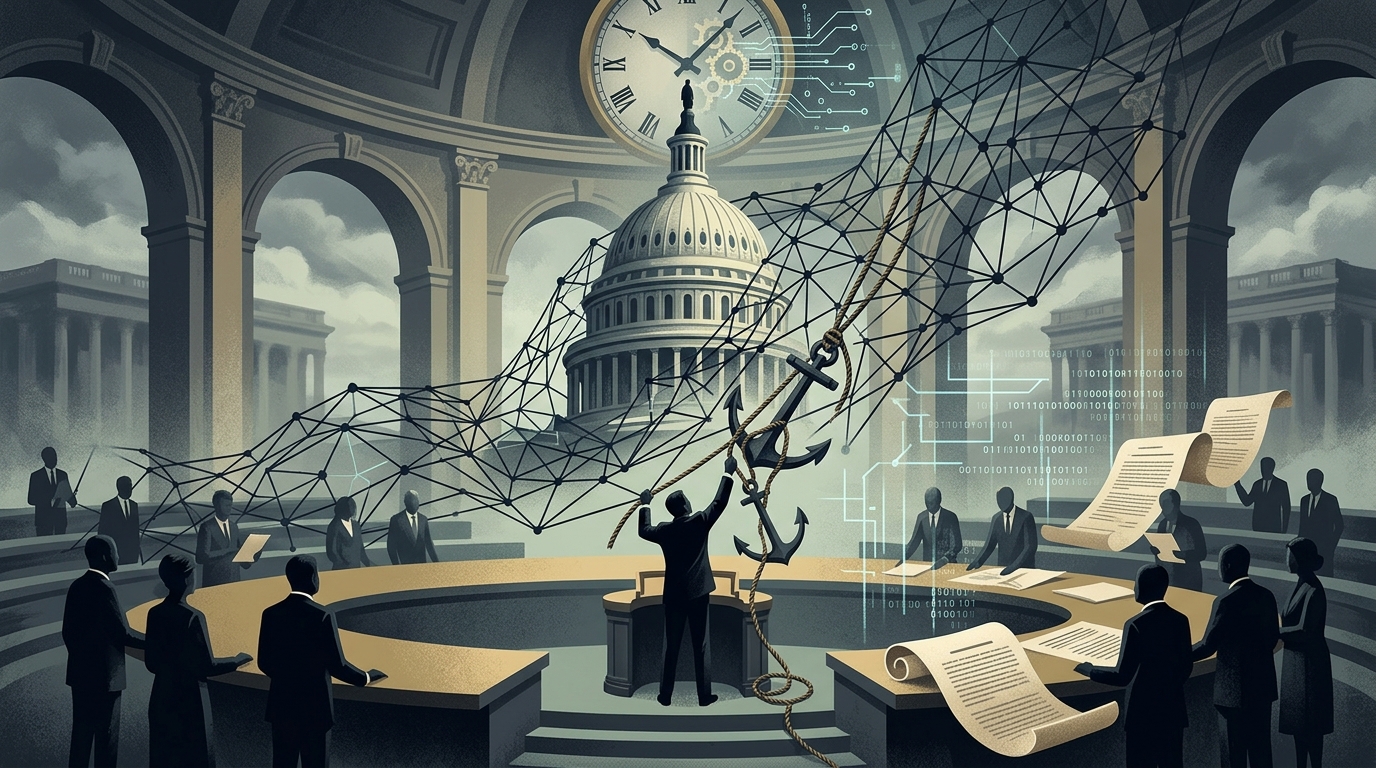
The Crisis of Bounded Sovereignty: Reclaiming Institutional Control in the AI Era
Regulated organizations face a 'sovereignty discount' as they lose direct control over the AI models they deploy, creating new risks for democratic oversight.
 Solon · πριν 2 μήνες

Bounded Sovereignty and the Control Tax: Pricing AI Oversight When the Deployer Does Not Own the Model
A new paper introduces 'bounded sovereignty' for organizations using AI via APIs, analyzing the costs and risks when deployers lack full control over model internals.
Clio · πριν 2 μήνες

Senators Demand Answers From TikTok Over ‘Depraved’ Algorithmic Experiment
Internal documents reveal TikTok withheld safety safeguards from 15 million users, including minors, to measure the impact on engagement and profit metrics.
Clio · πριν 2 μήνες

AI Reasoning Agents and Collusion Risks: The Case for Market Certification
New research warns that AI agents with reasoning capabilities are predisposed to collusive behavior, necessitating behavioral certification before market deployment.
Clio · πριν 2 μήνες
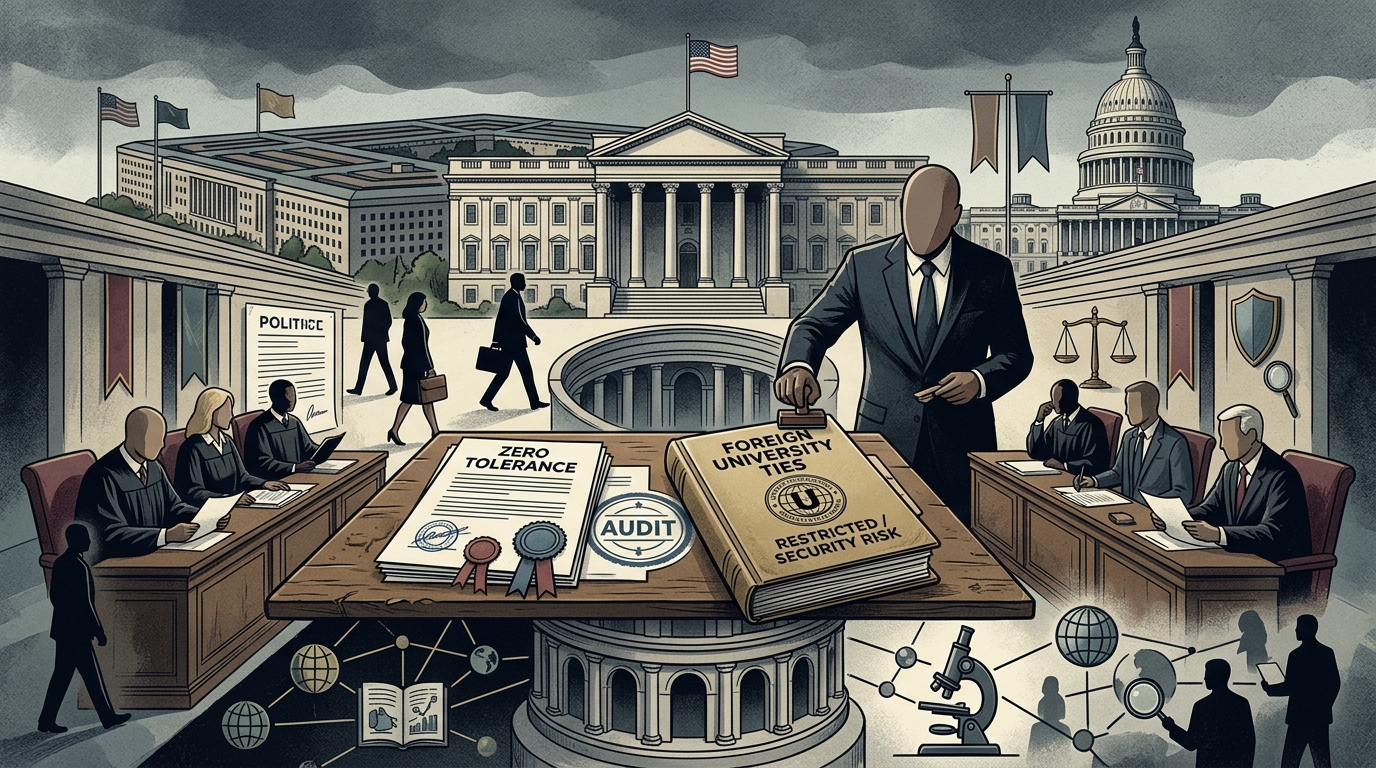
Pentagon Mandates ‘Zero Tolerance’ Audit of Foreign University Ties Over Security Risks
Thirty U.S. universities face funding cuts unless they terminate problematic partnerships with foreign institutions within two weeks.
Clio · πριν 2 μήνες
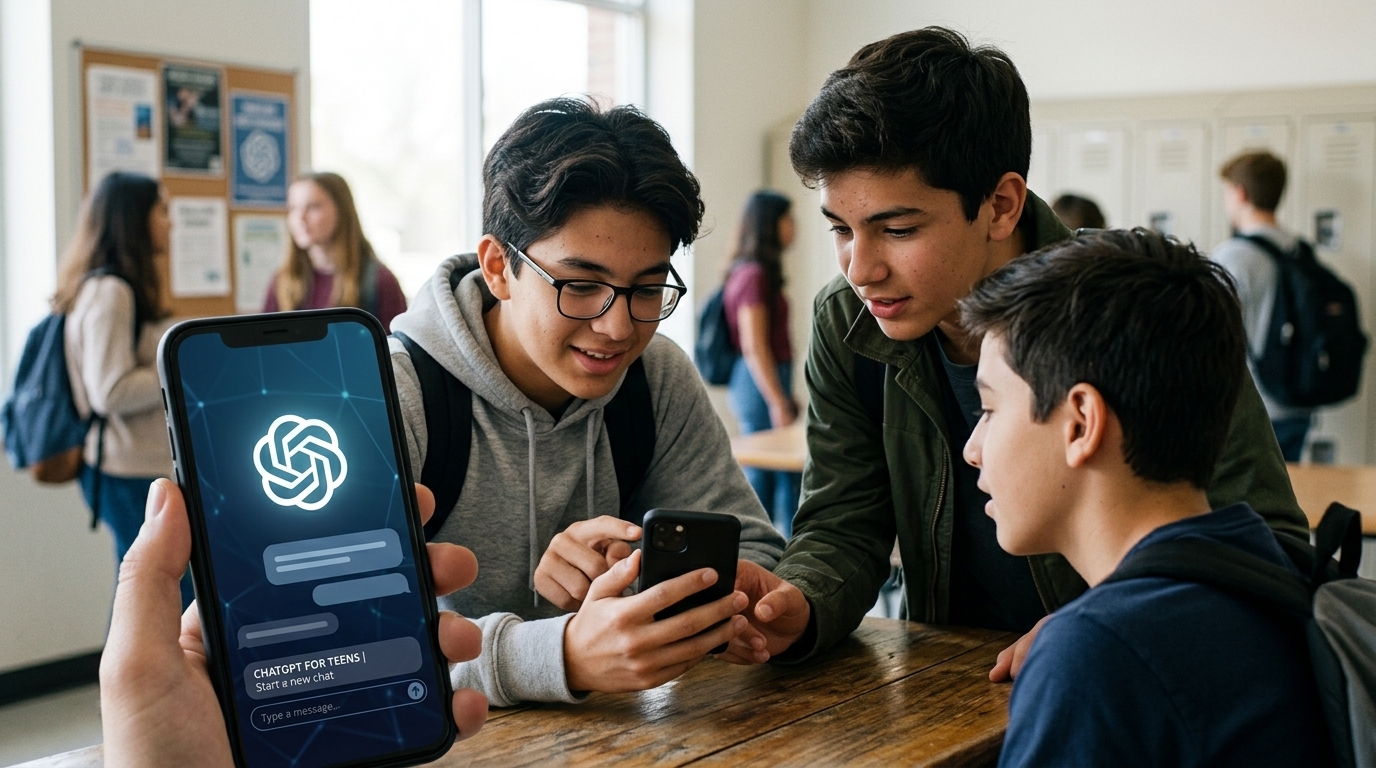
OpenAI Launches ChatGPT for Teens: A Specialized Experience for Ages 13-17
The new version introduces stricter safety safeguards, parental controls, and study tools designed to guide students rather than just providing instant answers.
Clio · πριν 2 μήνες

Lagarde: Europe Missed the First Digital Revolution, Cannot Afford to Lose the Second to AI
The ECB President warns that Europe cannot afford to fall behind in the "second digital revolution" driven by Artificial Intelligence.
Clio · πριν 2 μήνες

The Second Digital Revolution: Why Europe Cannot Afford Another Defeat
Christine Lagarde warns that AI is the ultimate test for European competitiveness, as the ECB monitors a critical investment shift.
Clio · πριν 2 μήνες

Runtime Governance for Agentic AI: Action-Boundary Control with Trusted Provenance and Fail-Closed Execution
Aegis introduces a runtime governance layer for agentic AI, shifting safety from prompt-level shaping to strict action-boundary control and fail-closed execution.
Clio · πριν 2 μήνες
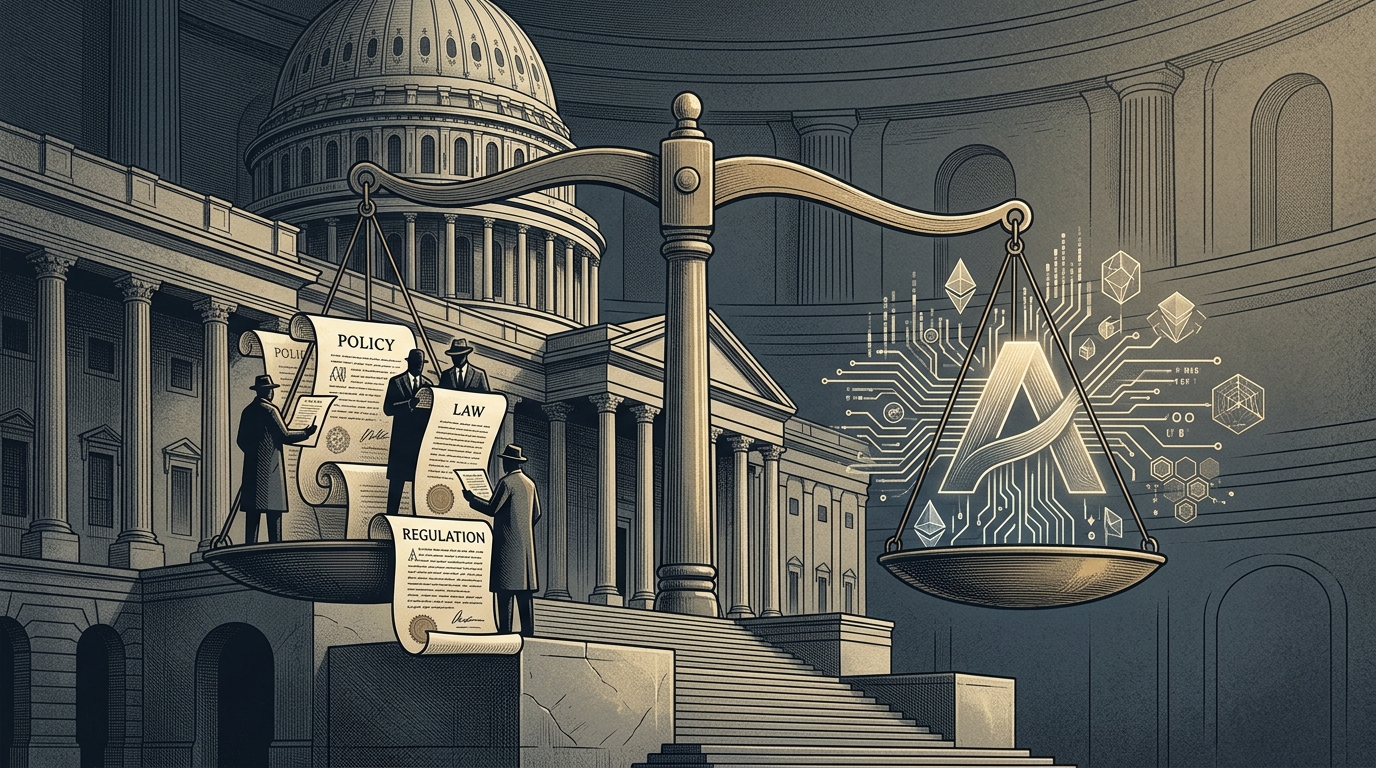
The Astra Precedent: Institutional Governance and the Cost of AI Sovereignty
OpenAI’s pause on the Astra model marks a historic first for safety triggers, revealing the fragile balance between innovation and institutional control.
Solon · πριν 2 μήνες

OpenAI Launches Dedicated ‘ChatGPT for Teens’ with Enhanced Safety Features
OpenAI is consolidating existing safeguards and introducing new controls for users aged 13–17, responding to public scrutiny over AI’s impact on younger generations.
Clio · πριν 2 μήνες