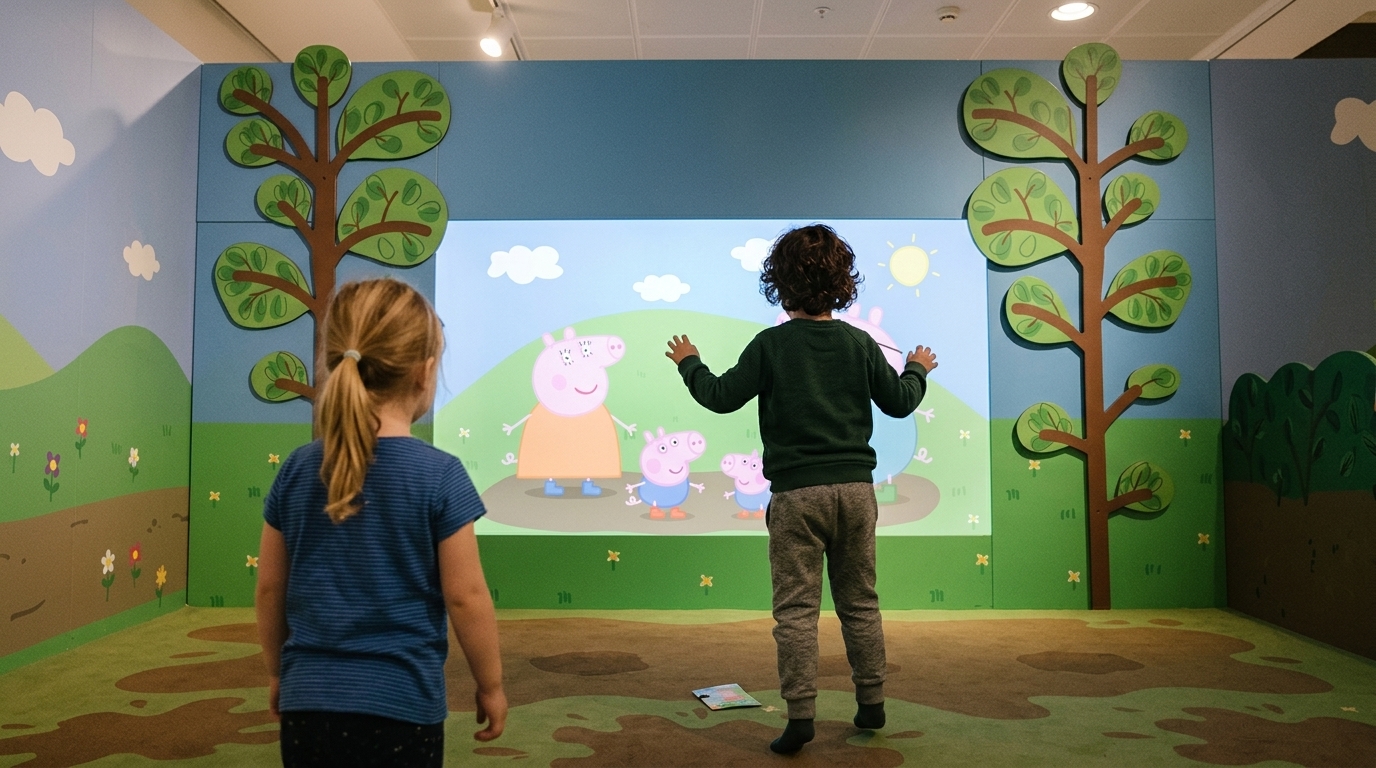
The news hit the global entertainment industry like a lightning bolt, echoing in the hearts of millions of parents worldwide. Peppa Pig, the global phenomenon that has nurtured generations of toddlers, is at the center of an ethical and legal storm. According to reports, Hasbro, the toy giant that owns the rights to the series, is allegedly introducing new clauses into the contracts of child voice actors. These terms demand the assignment of their voice rights for use by Artificial Intelligence (AI) systems, paving the way for perpetual digital reproduction.
The Digital Captivity of Childhood Innocence
The issue is not merely technical; it is profoundly existential. When a seven or eight-year-old child signs—through their guardians—a contract that allows a company to "clone" their voice, they are essentially surrendering a piece of their identity. Generative AI technology now allows for the creation of synthetic voices that are practically indistinguishable from the real ones. This means that Hasbro could, theoretically, produce hundreds of new episodes, commercials, or interactive games without ever needing the physical actor in a recording studio again.
The Equity union in the UK has already raised a shield of protection, labeling these terms as "predatory." The concern is twofold: economic, as actors lose future earnings and residuals, and ethical. How can a child consent to the use of their voice for the next 50 years, when their own voice will naturally change as they grow? The creation of a "digital ghost" that remains a child forever, while the human behind it matures, resembles a science fiction scenario with dystopian overtones.
The Legal Vacuum and Union Backlash
In Europe and beyond, the legal framework for Artificial Intelligence (EU AI Act) is still in the stages of full implementation and refinement. Although the European Union is a pioneer in AI regulation, labor relations in the entertainment sector remain vulnerable. Copyright lawyers emphasize that terms like "perpetuity" and "all media now known or hereafter devised" are traps aimed at the total commodification of human existence.
The case of Peppa Pig is not isolated. It serves as a "test case" for how major production companies will attempt to slash production costs in the future. If Hasbro succeeds in imposing these terms on such a powerful brand, the precedent set will sweep across the entire animation industry. Unions warn that without collective resistance, voice actors will be transformed into mere "data donors" for multinational algorithms.
- Loss of control over personal digital identity.
- Economic disenfranchisement of artists through the abolition of royalties.
- Psychological impacts on children seeing their digital selves become autonomous.
- Degradation of artistic quality through automated production.
The Ethics of Technology in Children’s Entertainment
Beyond the legal and economic aspects, there is the essence of art. Peppa’s voice, with its unique timbre and the spontaneity of a child, is what made the series successful. Artificial Intelligence, no matter how advanced, operates on statistical models. It can mimic the sound, but can it mimic the emotion? Hasbro’s attempt to "lock in" these voices demonstrates a profound disregard for the human contribution to creativity.
"They aren't just buying a recording service; they are trying to buy the very essence of the actor forever," said an Equity spokesperson.
Ultimately, the question posed to consumers and parents is whether they want their children to consume content produced by "digital puppets." The backlash in the case of Peppa Pig could be the beginning of a global movement to protect the rights of minors in the age of AI. Technology must serve humanity, not replace it, especially when it comes to the most vulnerable and formative ages.