

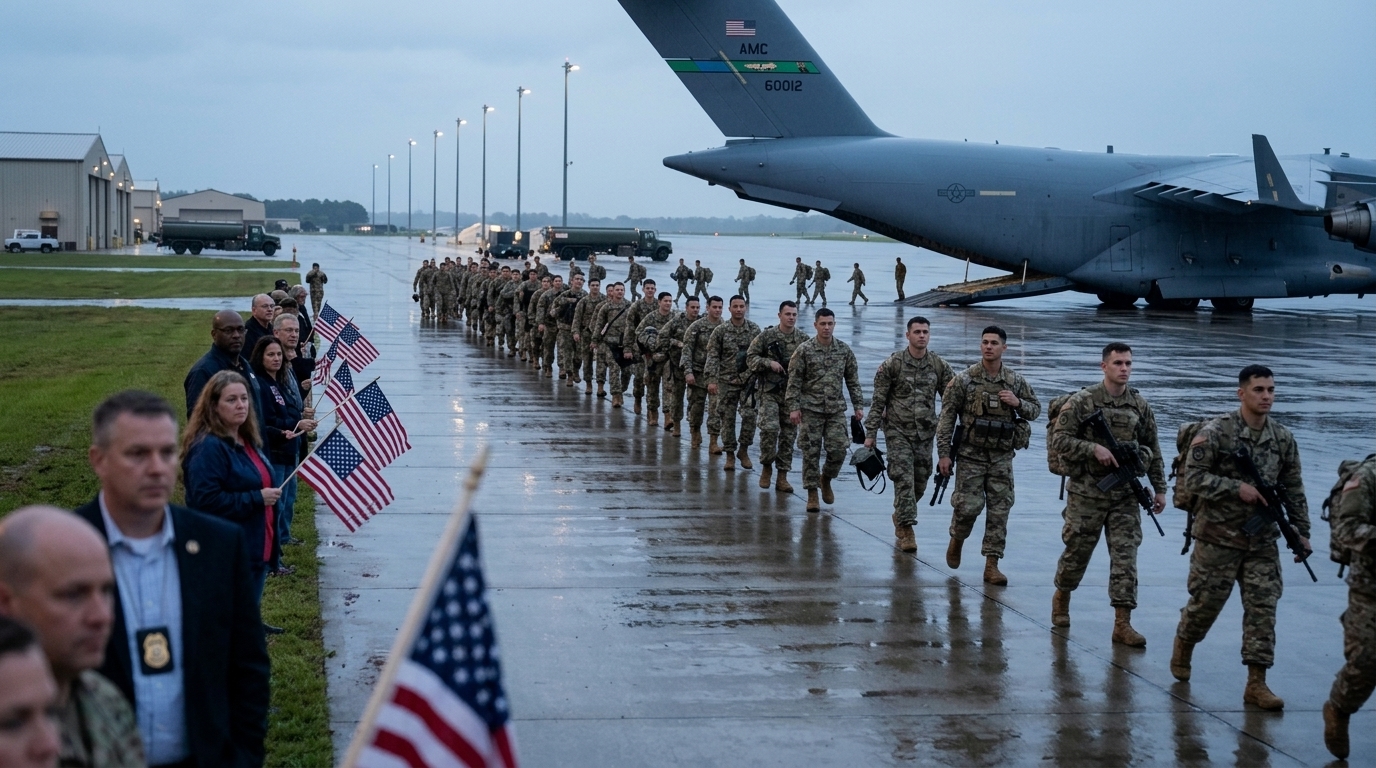
The geopolitical chessboard of the Middle East is shifting at a pace that global diplomacy struggles to match, and the cost of this instability is now being reflected in cold, hard numbers in Washington’s ledgers. The White House's recent move to request a supplemental budget of approximately $88 billion is not merely an accounting adjustment; it is a clear signal that the United States is bracing for a prolonged period of high tension with Iran and its regional proxies.
Anatomy of a Colossal Request
The $88 billion figure is staggering, even by U.S. standards. Analysts suggest that the lion's share of these funds is earmarked for bolstering the defensive capabilities of regional allies, primarily Israel, and for replenishing American ammunition stockpiles depleted by constant missile and drone interceptions. However, the strategic significance of this budget extends far beyond the immediate battlefield.
A substantial portion of the package is dedicated to humanitarian aid for Gaza and Lebanon. The White House understands that military might without a parallel management of the humanitarian crisis is a recipe for future radicalization. Nonetheless, bundling military and humanitarian aid into the same budget is often a point of friction in Congress, with Republicans demanding stricter oversight of funds and Democrats pushing for more civilian protection guarantees.
The Iran Conflict and Technological Superiority
The escalating confrontation with Tehran has fundamentally changed the landscape. Iran is no longer an isolated player but a hub of technological and military exports, as evidenced by the widespread use of its drones across various fronts. Washington is compelled to invest in anti-drone systems and Artificial Intelligence for early warning and interception—areas that consume billions in research and development.
- Enhancing missile defense through the Iron Dome and David's Sling systems.
- Developing autonomous surveillance systems for the Strait of Hormuz.
- Funding cyber warfare operations to disrupt Iranian infrastructure.
- Providing economic support to regional partners like Jordan and Egypt to maintain internal stability.
This technological arms race represents the "invisible" part of the budget. Integrating AI into real-time decision-making has become an imperative, as reaction times to saturation attacks have dwindled to seconds. Washington is not just buying munitions; it is buying time and intelligence.
Political Hurdles and the Specter of the Deficit
The timing of the request is critical. With 2026 being a midterm election year, the debate over the U.S. national debt has reached a fever pitch. Many lawmakers express skepticism about sending more billions abroad while domestic needs—from infrastructure to healthcare—remain pressing. The administration argues that the cost of a full-scale conflict in the Middle East would be manifold higher, as any disruption in oil flows would trigger a global economic shock.
"Middle Eastern security is not a luxury; it is a necessity for global economic stability," stated a senior Treasury official.
In conclusion, the $88 billion is the price of American hegemony in a multipolar world. The outcome of the Congressional vote will reveal whether Washington is willing to continue its role as a global guarantor or if isolationism will begin to gain ground, leaving power vacuums that other actors are more than ready to fill.





