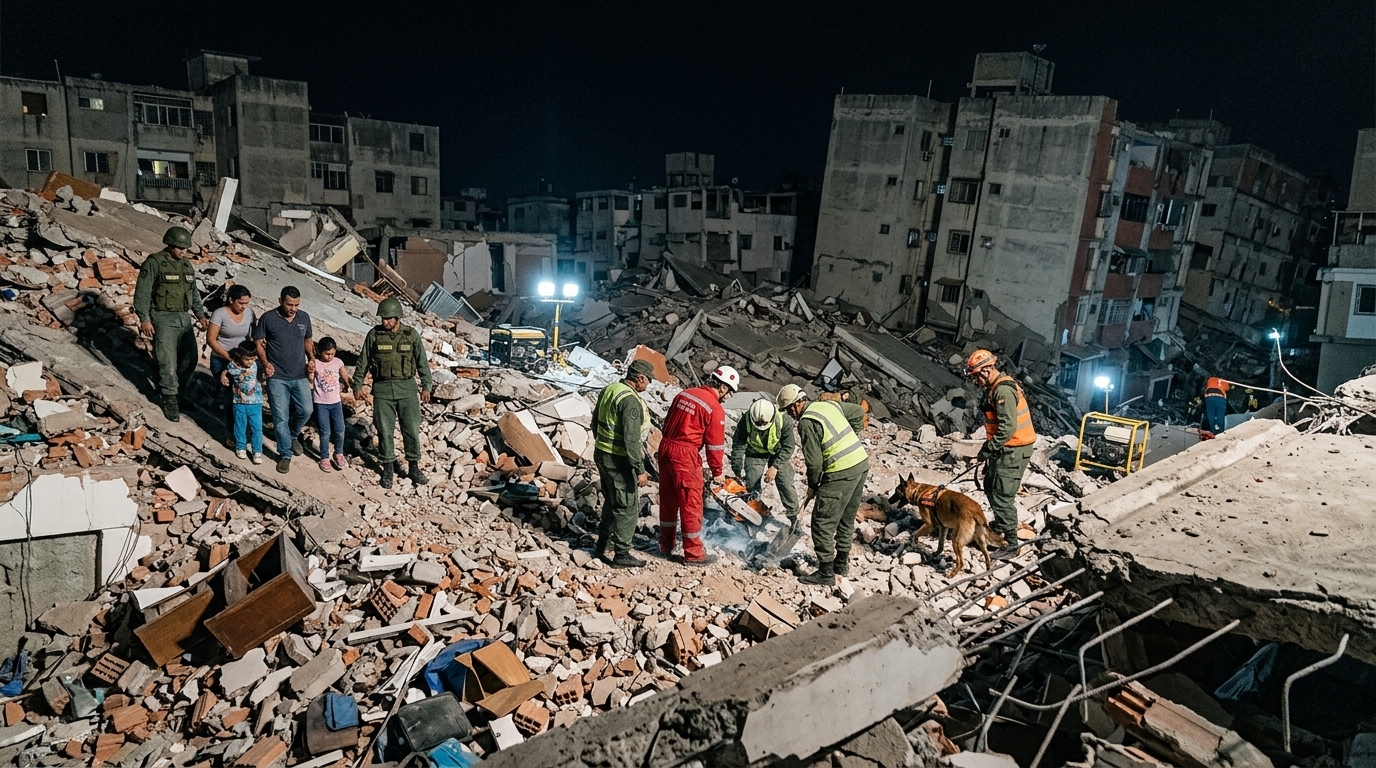
Venezuela is grappling with a humanitarian disaster of epic proportions following two consecutive earthquakes measuring 7.2 and 7.5 on the Richter scale. The seismic events have left at least 32 dead and over 700 injured, marking a dark chapter for a nation already besieged by economic collapse and diplomatic isolation. As the dust settles, the scale of the tragedy reveals not just the power of nature, but the profound vulnerability of a state whose infrastructure has been neglected for decades.
The Anatomy of a Double Strike
The occurrence of two major quakes in such rapid succession is a rare and devastating geological event. The epicenters, located in regions with high population density and substandard housing, ensured that the impact would be lethal. Caracas and eastern provinces reported widespread structural failures, with many buildings collapsing instantly. The lack of strict building codes and the prevalence of informal settlements—barrios—clinging to hillsides have turned a natural event into a mass casualty incident.
Venezuela's healthcare system, which has been in a state of chronic decay, is now at its breaking point. Hospitals, lacking basic supplies like bandages, antibiotics, and reliable electricity, are struggling to treat the influx of wounded. Reports of surgeries being performed by flashlight and the lack of trauma specialists highlight the grim reality on the ground. President Nicolás Maduro has declared a state of emergency, but the government's capacity to deliver aid effectively remains under heavy scrutiny.
Geopolitical Implications of the Disaster
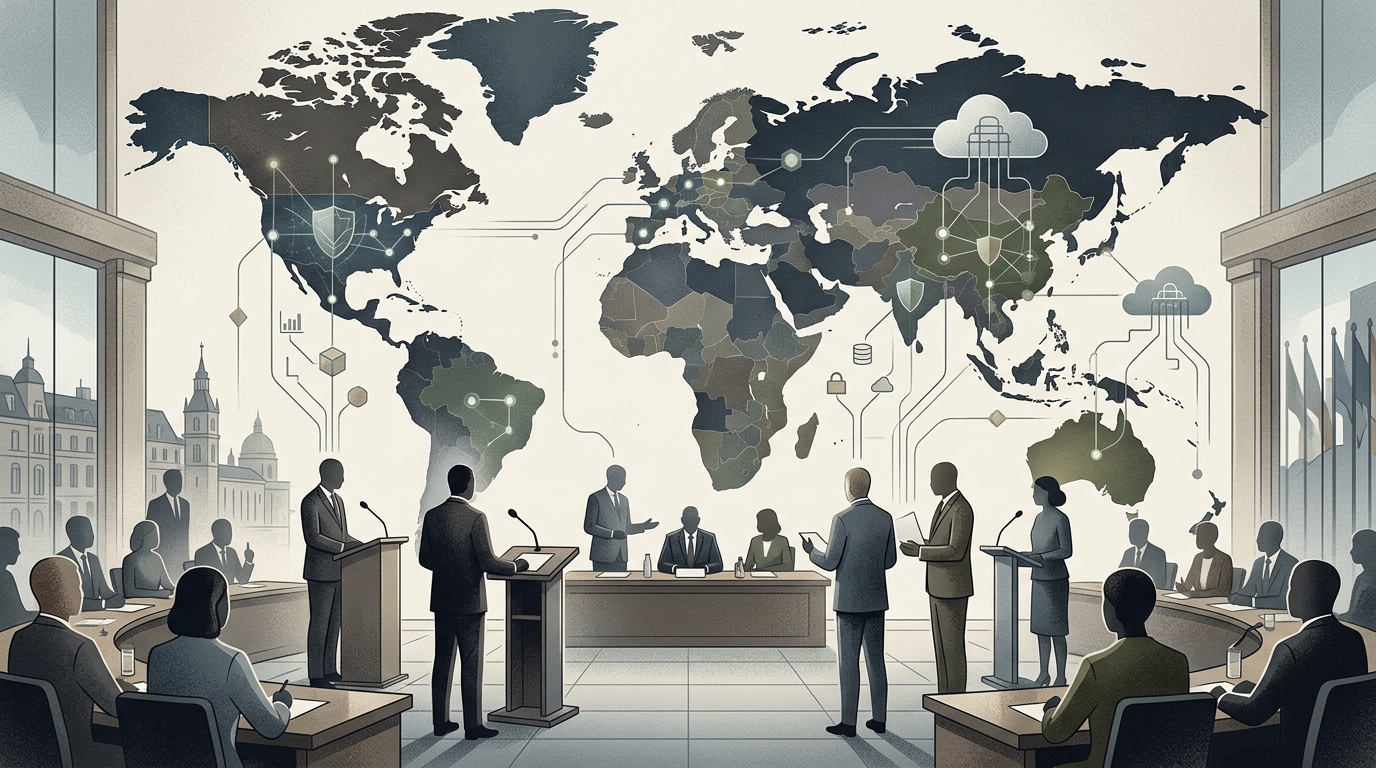
In the realm of geopolitics, this earthquake serves as a catalyst for renewed debate over international sanctions. Venezuela remains under a regime of heavy economic restrictions imposed by the U.S. and its allies. These sanctions, while aimed at the political leadership, complicate the logistics of humanitarian aid and the importation of heavy machinery needed for search and rescue and reconstruction.
- The U.S. Dilemma: Will the Biden administration offer a temporary sanctions waiver to facilitate disaster relief?
- Strategic Pivot: Traditional allies like China, Russia, and Iran are expected to leverage this crisis to deepen their footprint in the region through 'disaster diplomacy.'
- Migration Pressures: A further degradation of living conditions could trigger a fresh exodus of refugees, placing additional strain on neighboring Colombia, Brazil, and the wider Andean region.
The disaster forces a confrontation between humanitarian imperatives and political strategy. Historically, natural disasters have sometimes opened doors for 'earthquake diplomacy,' leading to a thawing of frozen conflicts. However, in the polarized environment of Venezuelan politics, such a breakthrough remains uncertain.
Social Collapse and the Road to Recovery
Beyond the immediate loss of life, the social fabric of Venezuela is being stretched to its limits. A population already fatigued by hyperinflation and political strife now faces the loss of shelter and basic utilities. The destruction of water mains and power lines in the affected areas threatens to spark public health crises, including the spread of waterborne diseases.
"The earth shaking beneath our feet is a brutal reminder that nature is indifferent to political rhetoric and international borders," noted a regional security analyst.
The reconstruction effort will require billions of dollars—funds that the Venezuelan treasury simply does not have. The management of the recovery process will be a litmus test for the Maduro administration. If aid is seen as being distributed based on political loyalty rather than need, it could ignite further civil unrest. The global community watches with concern, as a destabilized Venezuela has far-reaching consequences for energy markets and regional security in the Americas.