

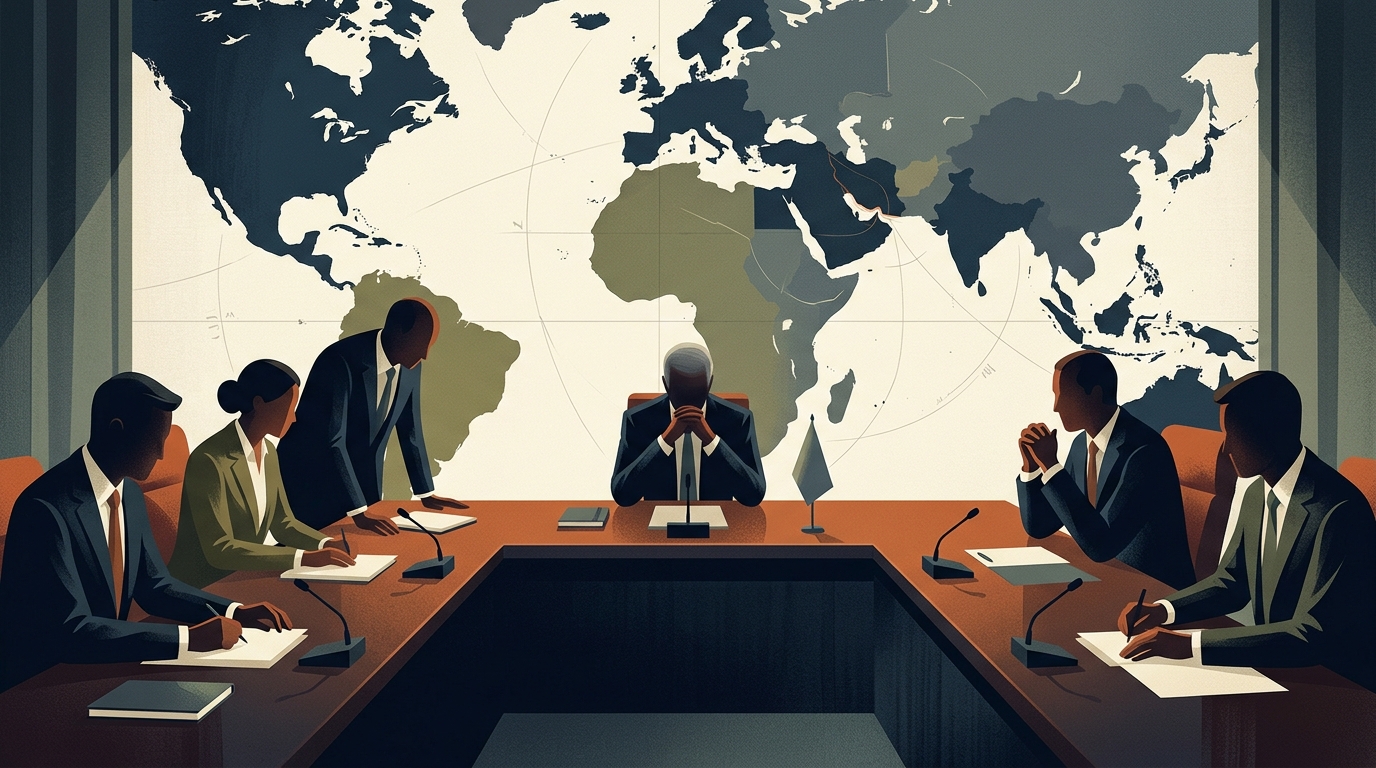
The international diplomatic stage is watching with bated breath as tensions between Washington and Tehran escalate to levels not seen in years. In the spring of 2026, President Donald Trump, adhering to his 'America First' doctrine, categorically rejected a new proposal submitted by the Iranian government aimed at ending hostilities and lifting sanctions. This move is not merely a diplomatic refusal; it signals the full return of an enhanced 'Maximum Pressure' strategy, a hallmark of his previous administration, now recalibrated for the complexities of 2026.
The Anatomy of Rejection: Why the Proposal Was Deemed 'Inadequate'
According to sources close to the White House, the Iranian proposal included a partial freeze on uranium enrichment in exchange for the immediate release of frozen assets abroad and the lifting of oil export restrictions. However, the U.S. administration judged Tehran's commitments to be lacking in depth and permanence. Trump, in characteristic fashion, described the proposal as 'insulting to the intelligence of the international community,' emphasizing that any deal failing to address Iran's ballistic missile program and its funding of regional proxies is destined for failure.
This stance reflects a deeper conviction within the current U.S. administration: that Iran is in a position of extreme vulnerability due to internal economic crises and persistent social unrest. Consequently, Washington is seeking a 'Grand Bargain' that would fundamentally reshape the balance of power in the Middle East, rather than a step-by-step approach that would provide Tehran with much-needed economic breathing room.
The Strait of Hormuz: A Global Energy Chokepoint
The rejection of the proposal immediately shifted the focus of tension to the Strait of Hormuz, through which approximately 20% of global oil consumption passes. Tehran's threats to close the Strait in the event of a total blockade of its exports are not new, but in 2026, the technological upgrades to Iranian drones and naval mines make the threat more credible than ever. Washington has already bolstered the presence of the Fifth Fleet in the region, warning that any attempt to obstruct freedom of navigation will be met with 'overwhelming military force.'
Energy markets reacted swiftly, with crude oil prices spiking as analysts fear a miscalculation or provocation that could trigger a wider conflict. The Hormuz issue is not just military; it is Iran's ultimate economic weapon against the West, and current U.S. intransigence appears to be pushing Tehran toward a high-stakes gamble.
The Nuclear Shadow and Israel's Strategic Stance
A primary point of contention remains the level of uranium enrichment. Following the collapse of the JCPOA and failed attempts at its revival, Iran has reached enrichment levels that place it on the threshold of nuclear weapons capability. Trump's refusal to accept anything less than the total dismantling of Iran's nuclear infrastructure creates a dangerous security vacuum.
Israel, for its part, is monitoring developments with heightened readiness. The Israeli government has made it clear that it will under no circumstances allow Iran to achieve nuclear capability, keeping the option of unilateral military action firmly on the table. The alignment between Trump and Jerusalem is tighter than ever, reinforcing the sense that diplomacy has been replaced by deterrence through strength.
Conclusion: A World on a Tightrope
Donald Trump's rejection of the Iranian proposal marks a period of heightened global uncertainty. While Washington bets on Iran's economic collapse to achieve its strategic goals, the risk of a catastrophic miscalculation remains high. The international community, particularly the European Union, appears divided: on one hand, acknowledging the need to curb Iranian ambitions, and on the other, fearing the consequences of a new Middle Eastern conflagration that would trigger refugee surges and energy strangulation. The summer of 2026 promises to be volatile, driven by the geopolitical fires smoldering in the Persian Gulf.




