

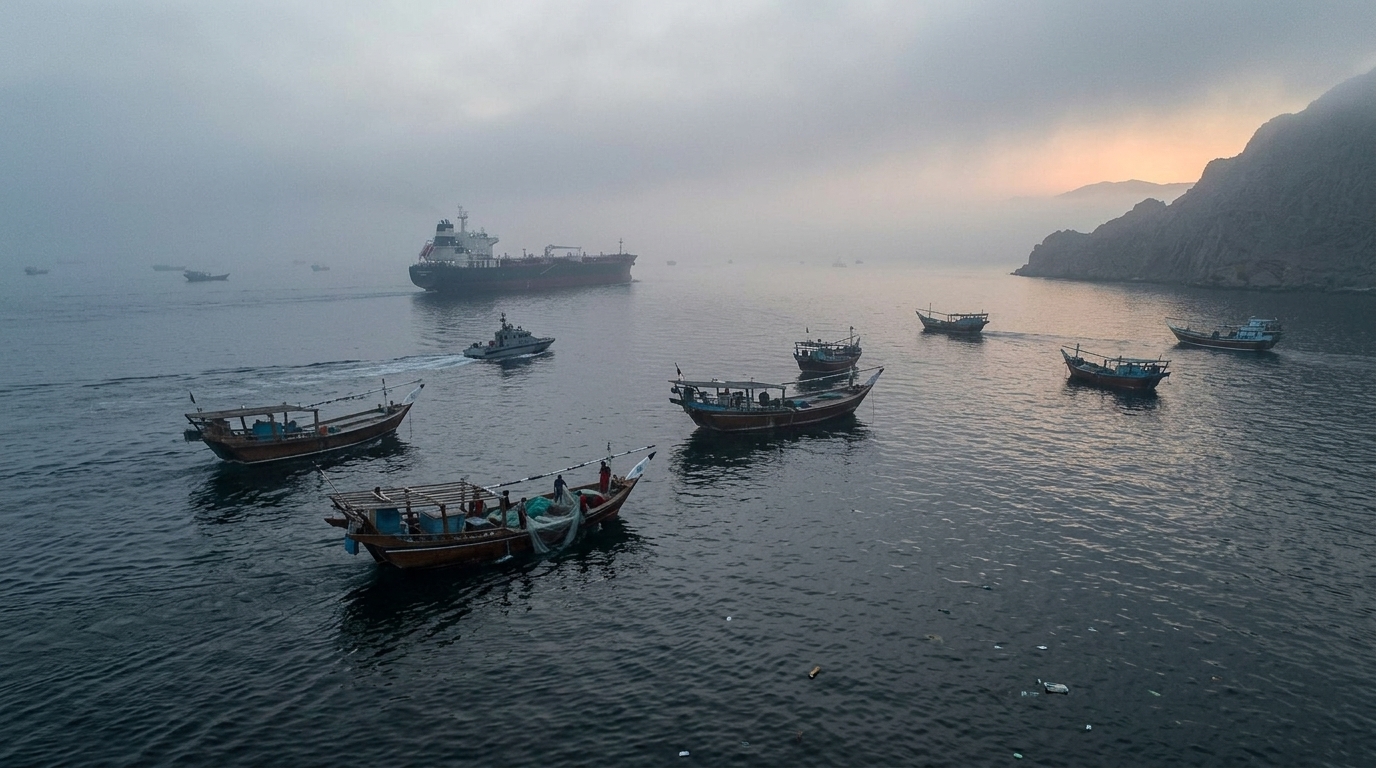
The Strait of Hormuz, the vital artery through which one-fifth of the world's oil consumption passes, remains the center of a geopolitical chess game that refuses to reach a definitive resolution. The recent announcement of a truce extension between Washington and Tehran may have provided a temporary breather for international markets, but for the global shipping community, the road to normalcy remains paved with uncertainty. The 'Symplegades' of Hormuz, as they are aptly characterized, continue to threaten to crush anyone who underestimates the complexity of the region.
Diplomatic 'Fog' and the Reality of the Seas
The agreement reached behind the scenes to extend the truce is seen by many analysts as a tactical move rather than a strategic shift toward peace. The United States, amidst a period of domestic political pressure and energy challenges, seeks stability in crude oil prices. On the other hand, Iran uses its control of the Strait as its strongest bargaining chip for the lifting of sanctions and the recognition of its regional role.
However, shipping does not operate on wishful thinking. Shipowners, particularly the Greeks who control a vast percentage of the global tanker fleet, remain extremely cautious. Incidents of vessel harassment, seizures, and the use of drones have left deep scars on market confidence. As sources from Piraeus's shipping hub note, 'a signature on a paper in Geneva or New York does not automatically stop threats on the ground.'
"The security of navigation in the Strait of Hormuz is not just a technical issue; it is the mirror of global power balances. As long as trust remains in deficit, the cost will remain high for everyone."
Economic Implications and the Cost of Risk
Uncertainty translates directly into numbers. War Risk Insurance premiums remain at levels that make transits through the Strait an expensive affair. Despite the truce, London's insurance giants (Lloyd’s) have not proceeded with drastic rate reductions, waiting for tangible evidence of commitment from Tehran and its regional proxies.
- Increased operating expenses due to the need for additional security personnel on board.
- Schedule delays as many vessels opt for longer but safer routes.
- Fluctuations in oil prices that directly affect bunker costs for the entire industry.
Furthermore, the emergence of the so-called 'shadow fleet,' which carries Iranian and Russian oil bypassing sanctions, further complicates the situation. These vessels, often old and without adequate insurance coverage, pose a constant risk to safety and the environment, operating outside the rules followed by legitimate shipping.
Technology as a Shield: AI and Maritime Surveillance
In this high-risk environment, Artificial Intelligence (AI) is emerging as an unexpected ally for mariners. Maritime Domain Awareness (MDA) systems now use machine learning algorithms to analyze ship movements in real-time and identify suspicious behavior. For example, disabling the AIS (Automatic Identification System) or sudden course changes can trigger alarms in operations centers thousands of miles away.
The use of advanced satellite data in combination with AI allows companies to predict potential friction points and guide their crews away from danger zones. However, technology cannot replace geopolitical will. As long as the Strait remains hostage to disputes between major powers, shipping will continue to navigate unchartered and dangerous waters.
Conclusion: A Fragile Balance
The return to normalcy in the Strait of Hormuz will be neither fast nor easy. The 'truce' is a necessary but not sufficient condition for the restoration of stability. The coming months will be critical, as the implementation of the agreement will be tested by unpredictable factors and regional tensions. For the global economy, maintaining the flow of energy through these narrow passages remains the ultimate priority, in a world that seems increasingly fragmented.





