

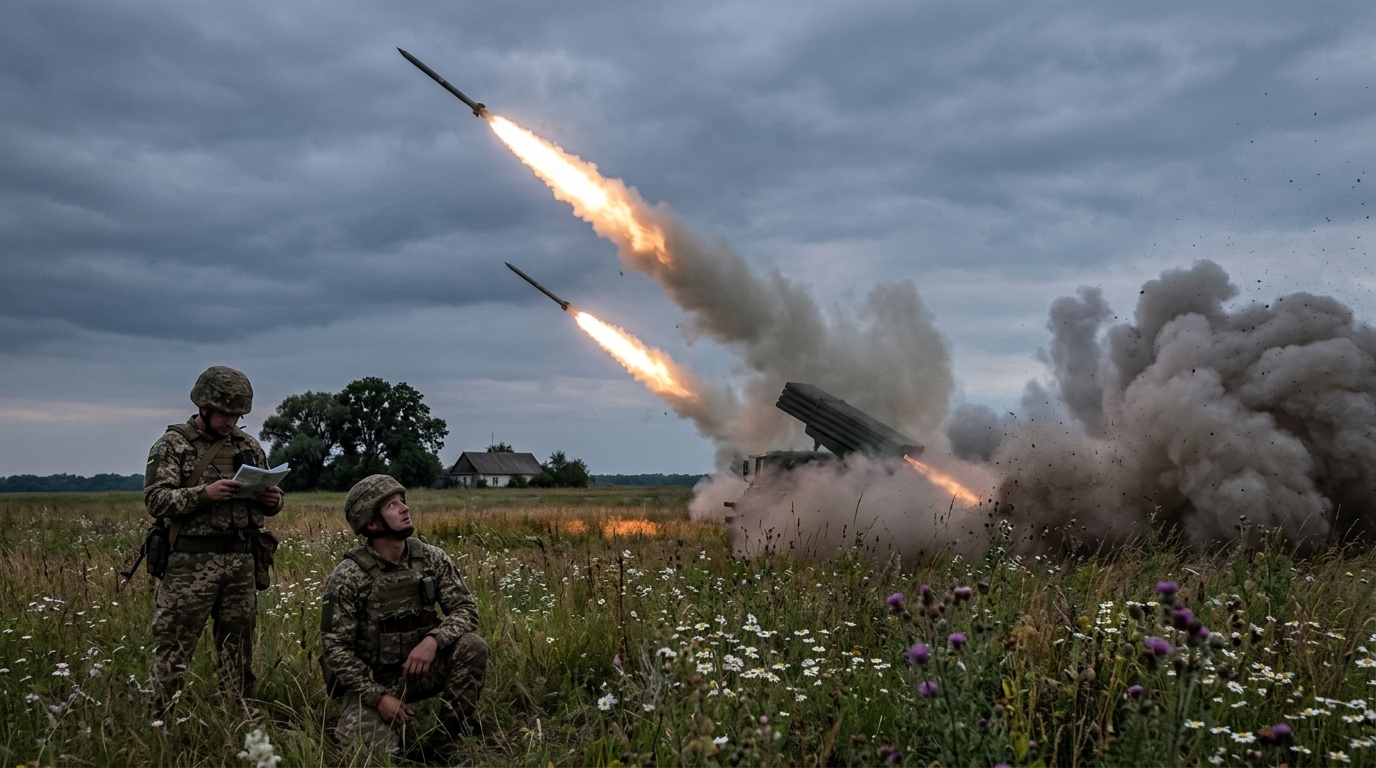
In the height of the summer of 2026, the war in Ukraine continues to unfold as a bloody game of chess where information is as lethal as ammunition. Moscow's recent announcement regarding the full capture of Kostiantynivka, a critical stronghold in the Donbas region, was met with a categorical denial from the Ukrainian General Staff. The city, a vital transportation hub and a bastion for the defense of Kramatorsk, remains at the center of fierce clashes, with Kyiv insisting its forces maintain control over key defensive lines.
The Strategic Importance of Kostiantynivka
Kostiantynivka is not just a dot on the map. For the Russian side, its capture would signal the collapse of one of the last major obstacles before a final assault on the twin cities of Sloviansk and Kramatorsk. The loss of this city would force the Ukrainian command into a painful retreat, leaving vast areas of eastern Ukraine exposed. However, reports from the field describe a "grey zone" where control shifts by the hour. The use of "scorched earth" tactics by Russian artillery has turned much of the city into ruins, making its occupation a Pyrrhic victory, if and when confirmed.
"The situation is extremely difficult, but our flag still flies over the city's central buildings. The enemy's claims are part of psychological warfare," stated a spokesperson for the 'Khortytsia' operational group.
The 'Hammering' of St. Petersburg: An Asymmetric Response
While hand-to-hand combat rages in Donbas, Ukraine continues to implement its strategy of bringing the war to the heart of Russia. Recent suicide drone attacks on St. Petersburg represent a clear demonstration of Kyiv's enhanced capabilities. The target is not only military infrastructure but also the psychological destabilization of the Russian population in cities previously considered "invincible." The drones, many of which now carry AI systems to bypass electronic warfare (EW) interference, managed to strike industrial facilities and fuel depots, causing extensive fires and supply chain disruptions.
- Use of long-range drones with a reach exceeding 1,200 kilometers.
- Targeting of critical energy infrastructure fueling the Russian war machine.
- Highlighting gaps in Russian air defenses around major urban centers.
Technology as a Catalyst: AI and Autonomous Drones
2026 marks the transition to a new phase of warfare where human intervention is diminishing. The Ukrainian drones that struck St. Petersburg no longer rely solely on GPS signals, which the Russians successfully jam. Instead, they use optical terrain recognition and machine learning algorithms to identify targets in real-time. This technological edge allows Kyiv to conduct high-precision operations, minimizing losses and maximizing the blow to Russian prestige. St. Petersburg, the city of Peter the Great and Vladimir Putin, is now on the front line, a fact that is creating tremors within the Kremlin.
Geopolitical Implications and the Future of the Conflict
The international community watches with bated breath. The escalation of attacks within Russia puts Ukraine's allies in a difficult position, as Moscow threatens "asymmetric retaliation" against Western targets. However, Kyiv's strategy is clear: pressure on the Donbas front must be balanced with strikes that hurt the Russian economy and political leadership. Kostiantynivka may be the symbol of Ukrainian resistance on the ground, but St. Petersburg is the symbol of the new, digital, and relentless reality of 21st-century warfare.




