

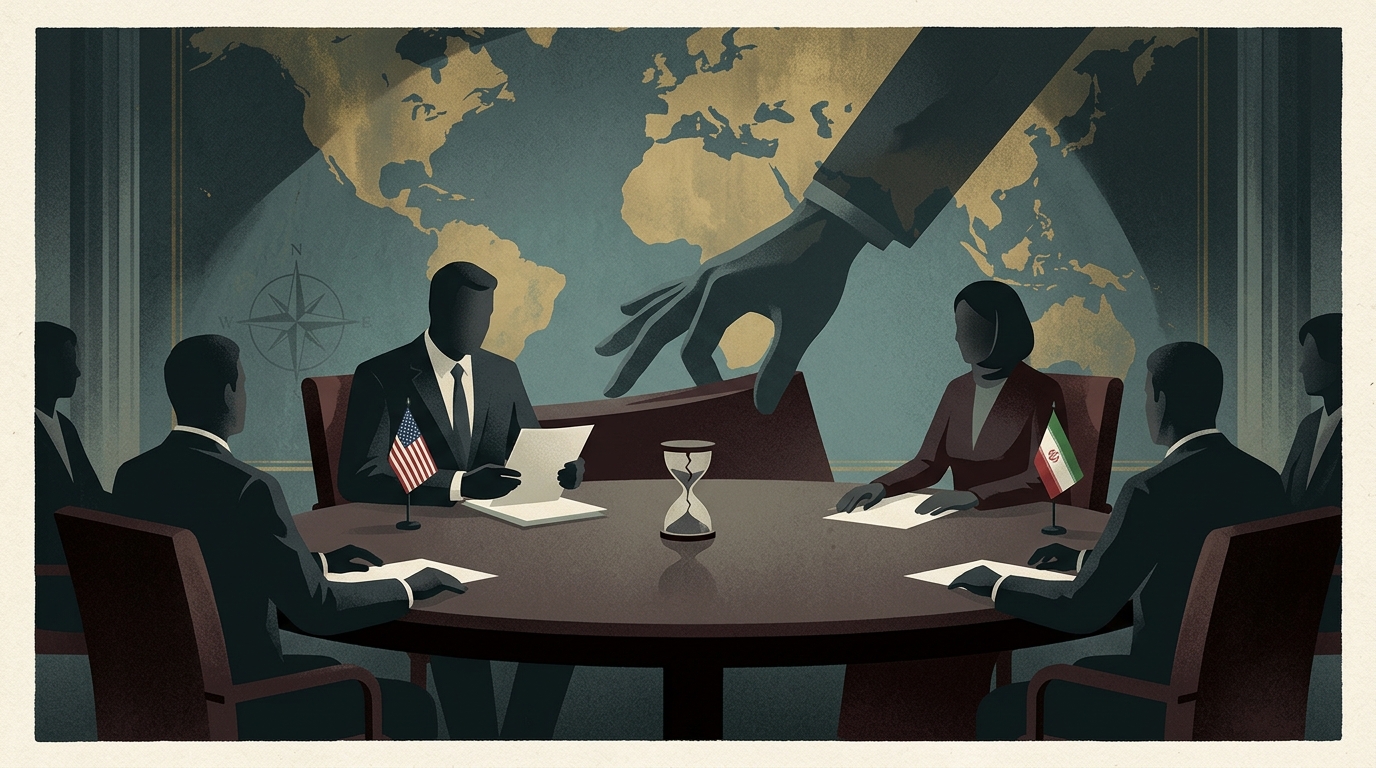
In a move that caught the global diplomatic community off guard, U.S. President Donald Trump announced on Tuesday the extension of the ceasefire with Iran. This decision, which notably lacks a specific expiration date, signals a potential pivot from the "maximum pressure" strategy toward a more transactional approach, characteristic of Trump’s governing style. In Washington, analysts are scrambling to decipher whether this is a sincere attempt at de-escalation or a tactical maneuver amidst a fragile regional balance.
The Strategy of the "Indefinite" Ceasefire
The ambiguity surrounding the duration of the ceasefire does not appear to be accidental. Trump, faithful to his "Art of the Deal" doctrine, is using time as a strategic lever. By extending the pause in hostilities without setting a firm deadline, he forces Tehran to remain at the negotiating table while simultaneously retaining the right to revoke the decision immediately if conditions do not meet his satisfaction. This move comes at a time when Iran is facing severe internal challenges, with its economy battered by inflation and social discontent simmering beneath the surface.
From Tehran's perspective, accepting this extension reflects a desperate need for "breathing room." The Iranian leadership, while maintaining its hardline rhetoric publicly, knows that a total conflict with the U.S. would be catastrophic. The possibility of a new round of talks offers the regime a potential path toward sanctions relief, an imperative for the survival of the domestic economy. However, hardliners within Iran remain suspicious, fearing that any concession to Trump will be viewed as a sign of weakness and lead to further demands.
The Regional Chessboard and Allies
Trump's announcement triggered immediate reactions among U.S. allies in the region. Israel, under a government that views Iran as an existential threat, is monitoring developments with profound skepticism. Jerusalem fears that a rushed deal could leave Tehran’s nuclear infrastructure intact or allow the continued funding of proxy organizations like Hezbollah. Conversely, Gulf nations such as Saudi Arabia and the UAE seem to favor a period of stability to protect their energy infrastructure and their ambitious 2030 economic visions.
- The EU’s Stance: Brussels welcomed the move as a step in the right direction, though they expressed concern over the lack of a multilateral framework.
- China’s Role: Beijing, as the primary buyer of Iranian oil, benefits from de-escalation that keeps energy prices stable and supply chains uninterrupted.
- The Tech Dimension: The use of AI for monitoring nuclear sites is being discussed as a potential safeguard in any future agreement.
The Future of Negotiations
What can we expect from a new round of talks? Trump has made it clear that he seeks a deal that goes far beyond the original JCPOA, addressing Iran’s ballistic missile program and its regional influence. This is an exceptionally ambitious goal that many seasoned diplomats consider unattainable. However, Trump’s personal brand of diplomacy often bypasses traditional institutional channels in favor of direct, high-stakes summits.
In this context, technology plays a pivotal role. The U.S. may propose a system of "smart sanctions" based on real-time financial flow monitoring algorithms, allowing for the immediate imposition or lifting of restrictions based on Tehran's compliance. This "digital diplomacy" could become the new standard for international relations in the 21st century, combining economic might with technological supremacy.
"I am in no rush. We want a right deal, not a fast deal," Trump stated, setting the tone for the coming months.
In conclusion, the ceasefire extension is a reminder that in the geopolitics of 2026, the only constant is change. The road to Geneva or Muscat for new talks is fraught with obstacles, but the very existence of such a path represents a significant shift in the landscape. Whether Trump can succeed where others have failed remains to be seen, but for now, the guns are silent, and the diplomats have the floor.





