

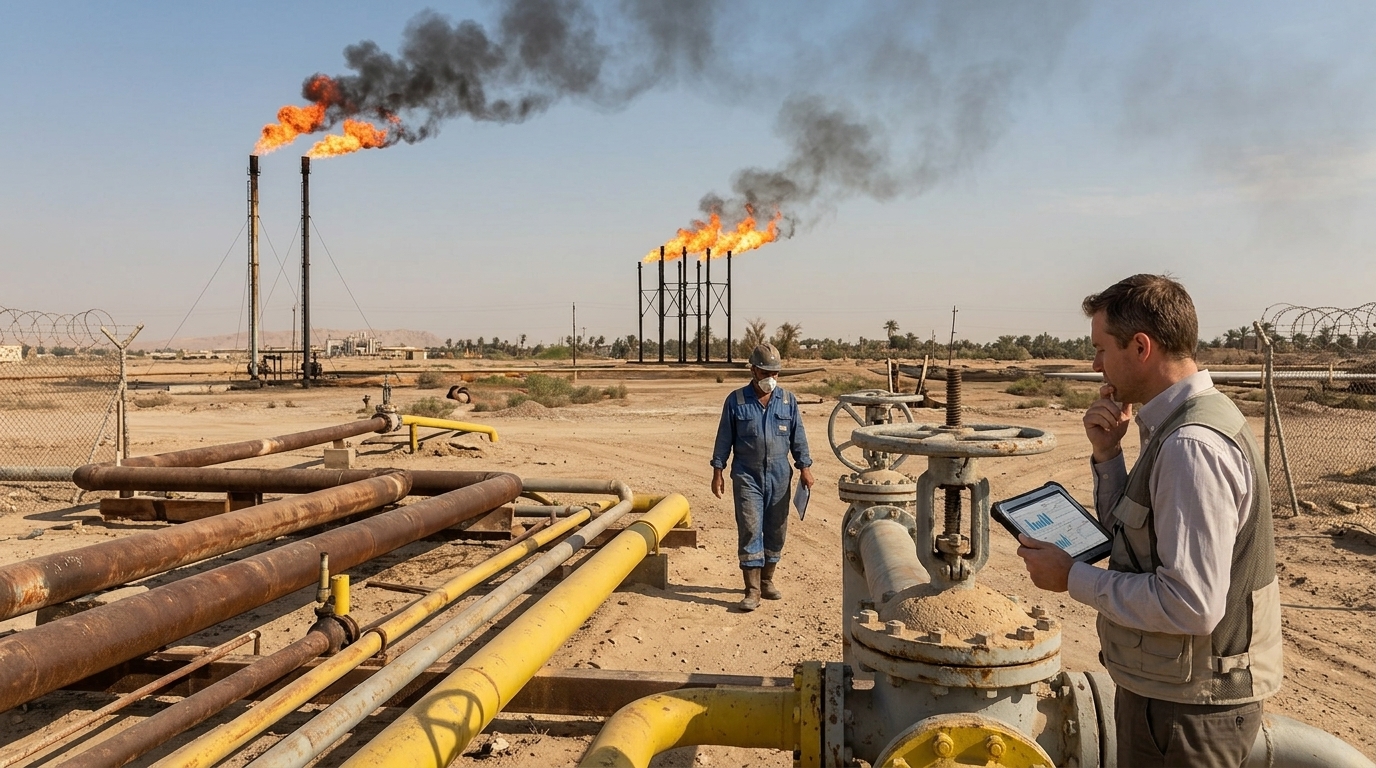
The announcement of a new, "historic" agreement between Washington and Tehran in the summer of 2026 triggered a fresh round of triumphalism from the White House. President Donald Trump, true to his communicative style, rushed to Truth Social to link this diplomatic development with a series of positive economic indicators, portraying himself as the architect of a new era of prosperity. "Oil is flowing, markets are up, jobs at record levels, and prices are falling. A huge win for America!" he wrote. However, behind the bold headlines and social media posts, analysts are trying to discern where political propaganda ends and the actual economic impact of the deal begins.
The Oil Card and the Global Energy Market
The central promise of the deal was the lifting of significant sanctions on Iranian crude oil exports in exchange for strict limitations on the country's nuclear program. The market reacted immediately, with Brent and WTI prices dropping over 12% within a single week. Trump argues that this drop is a direct result of his negotiating prowess. To some extent, this is true: the prospect of adding 1.5 to 2 million barrels per day to the global supply is a powerful deflationary factor.
However, energy experts point out that the price decline had already begun prior to the signing, due to the slowdown of the Chinese economy and increased production from Brazil and Guyana. Furthermore, the deal with Iran is creating friction in relations with Saudi Arabia and OPEC+. If Riyadh decides to cut its own production to support prices, Trump's "triumph" at the gas pump could prove short-lived. The 2026 energy market is a complex puzzle where geopolitics often collide with supply and demand.
Stock Markets: Psychology vs. Fundamentals
Wall Street welcomed the deal with a rally that pushed the S&P 500 to new all-time highs. For the White House, this is the ultimate confirmation of investor confidence. But is it? Analysts at Goldman Sachs and Morgan Stanley note that while the reduction in Middle Eastern geopolitical tension removes a "risk premium" from the markets, the current rise is equally fueled by expectations of interest rate cuts by the Federal Reserve and the profit explosion in the Artificial Intelligence sector.
- Lower energy costs improve the profit margins of industrial companies.
- Stability in transportation through the Strait of Hormuz reduces cargo insurance costs.
- Consumer optimism is bolstered, leading to increased retail spending.
Nevertheless, there is a risk of an "expectations bubble." If the implementation of the deal faces hurdles in Congress or if Tehran backtracks on secondary terms, the market correction could be violent, exposing the fragility of the "economic triumph" narrative.
Employment and Inflation: The Big Picture
Trump's claim that jobs are at "record levels" is a statistical truth that requires interpretation. US unemployment in 2026 remains indeed at low levels (around 3.6%), but this is a trend continuing from the previous decade. The Iran deal hasn't created direct jobs yet, except perhaps in the logistics and energy services sectors preparing for the opening of the Iranian market.
"The economy is not a switch that turns on and off with a signature. It is a living organism that reacts over time," economist Paul Krugman noted in a recent article.
Regarding inflation, the drop in energy prices is indeed a "godsend" for the Trump administration. The Consumer Price Index (CPI) showed a deceleration, providing relief to households pressured by the increased cost of living. However, food and housing prices remain high, suggesting that the "victory" over inflation is not yet total. The President uses oil as a "magic wand" to solve all problems, but structural inflation requires deeper reforms than a simple geopolitical agreement.
Conclusion: Political Communication vs. Economic Reality
In conclusion, the deal with Iran is undoubtedly a significant geopolitical success that offers immediate economic benefits, primarily through the de-escalation of energy prices. Donald Trump, as an experienced media player, capitalizes on this success to the maximum. However, attributing the entire economic upswing to a single move is an oversimplification. The American economy in 2026 is driven by a mix of technological innovation, monetary policy, and global trends that transcend posts on Truth Social. The real test for Trump will not be the signing of the deal, but maintaining stability once the initial market euphoria subsides.





