

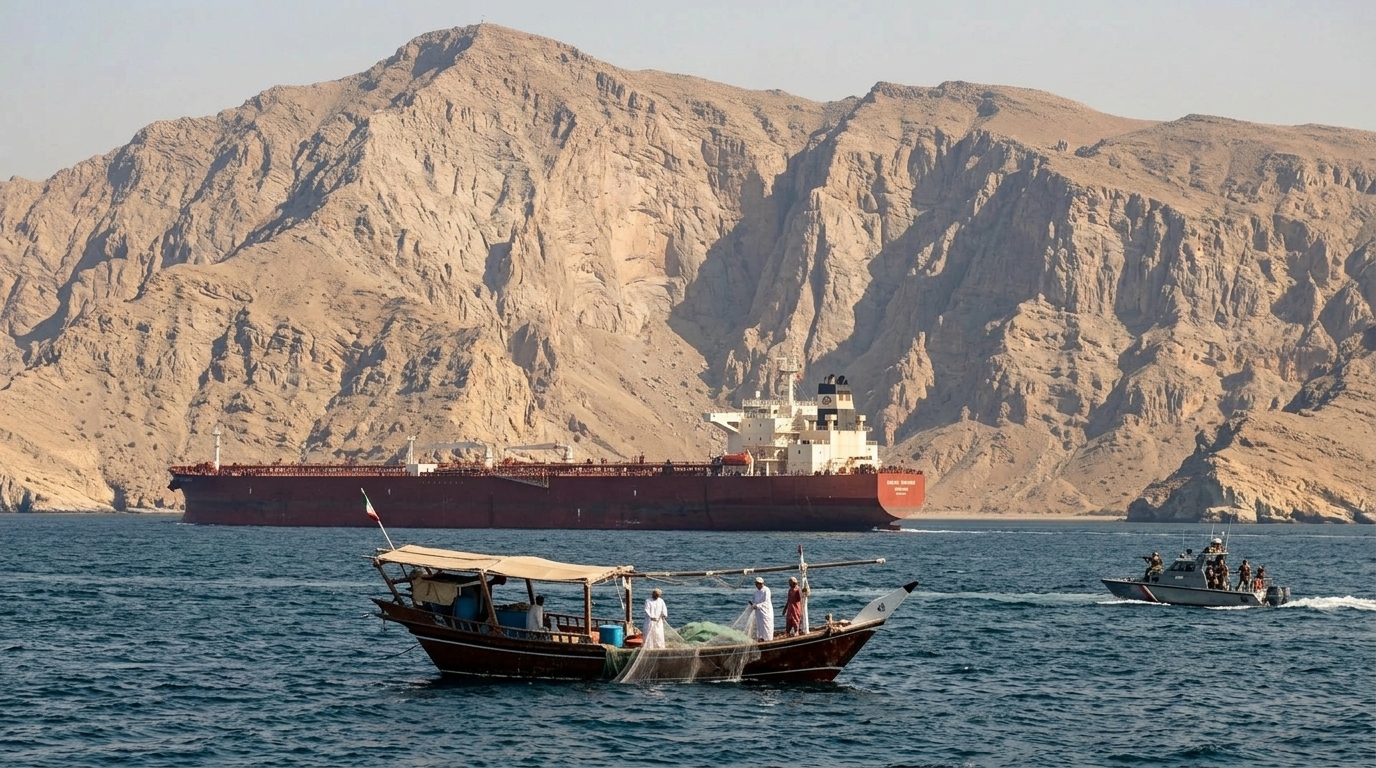
May 15, 2026, will likely be remembered for an unsettling silence in one of the world's most critical maritime arteries. The Strait of Hormuz, the narrow waterway separating the Persian Gulf from the Gulf of Oman, is experiencing an unprecedented slump in activity. According to the latest ship-tracking data, as of 15:00 on Friday, only three vessels had transited the passage. In a region through which one-fifth of the world's oil consumption traditionally flows, this "drip-feed" pace is not merely a statistical anomaly; it is a loud alarm bell for international markets and geopolitical stability.
The Geopolitical Chessboard and the Threat of Instability
The current situation in the Strait cannot be interpreted in isolation from the broader context of regional tensions. The Middle East remains a powder keg, with relationships between regional powers and Western allies being tested daily. The decline in transits reflects a deep-seated fear among shipping companies regarding potential incidents, vessel seizures, or even sabotage. Tehran has repeatedly used its control over the Strait as leverage in international negotiations, reminding the world that it holds the key to global energy flows.
Analysts point out that the reluctance of shipowners to send their vessels through the Strait is driven by a vertical spike in war risk insurance premiums. When the cost of insuring a tanker increases exponentially within hours, the economic viability of the route is called into question. Furthermore, the presence of international naval forces in the area, while intended as a deterrent, often serves as a stark reminder of the looming threat, heightening the sense of insecurity among commercial fleets.
Economic Tremors: Energy and the Global Supply Chain
The slowdown in traffic through the Strait of Hormuz has immediate and painful consequences for the global economy. Brent crude and Liquefied Natural Gas (LNG) are the primary victims of this constriction. With transits reduced to a trickle, prices on international markets are exhibiting extreme volatility. Europe, still attempting to balance its energy mix after the crises of previous years, finds itself exposed to new price hikes that could reignite inflation.
- Increased transportation costs due to the necessity of alternative, longer routes.
- Delays in the delivery of crude oil to refineries in Asia and Europe.
- Pressure on strategic oil reserves held by International Energy Agency (IEA) member states.
- Risks to the supply of LNG, particularly from major exporters like Qatar.
This situation also ripples through the supply chain beyond energy. Container ships connecting Eastern markets with the West are forced to re-evaluate their schedules. Every day of delay in the Strait adds costs that are eventually passed on to the end consumer, burdening households during a period of economic fragility.
Greek Shipping on the Front Line
For Greece, which maintains the largest merchant fleet in the world, developments in the Strait of Hormuz carry exceptional weight. Greek shipowners control a vast percentage of the world's tankers, and the risks in the region directly impact Greek interests. Managing this crisis requires delicate maneuvering, as Greek vessels must navigate "mined" political and geographical waters.
"Shipping is the lifeblood of the global economy, and the Strait of Hormuz is a central artery. When the flow stops, the entire organism suffers," notes a senior executive from a Greek shipping firm.
The Greek government, in coordination with EU and NATO partners, is closely monitoring the situation, participating in initiatives to ensure freedom of navigation. However, the reality on the ground shows that diplomacy often lags behind events, leaving seafarers and vessels exposed to unpredictable dangers.
Conclusions and Future Outlook
The reduction in transits through the Strait of Hormuz is not just a passing phenomenon but a reminder of the vulnerability of global infrastructure. The need for diversifying energy routes and strengthening international cooperation to protect maritime paths is more urgent than ever. If traffic continues to move at a snail's pace, the world must prepare for a new era of economic and geopolitical uncertainty, where energy is increasingly used as a tool of political leverage.





