

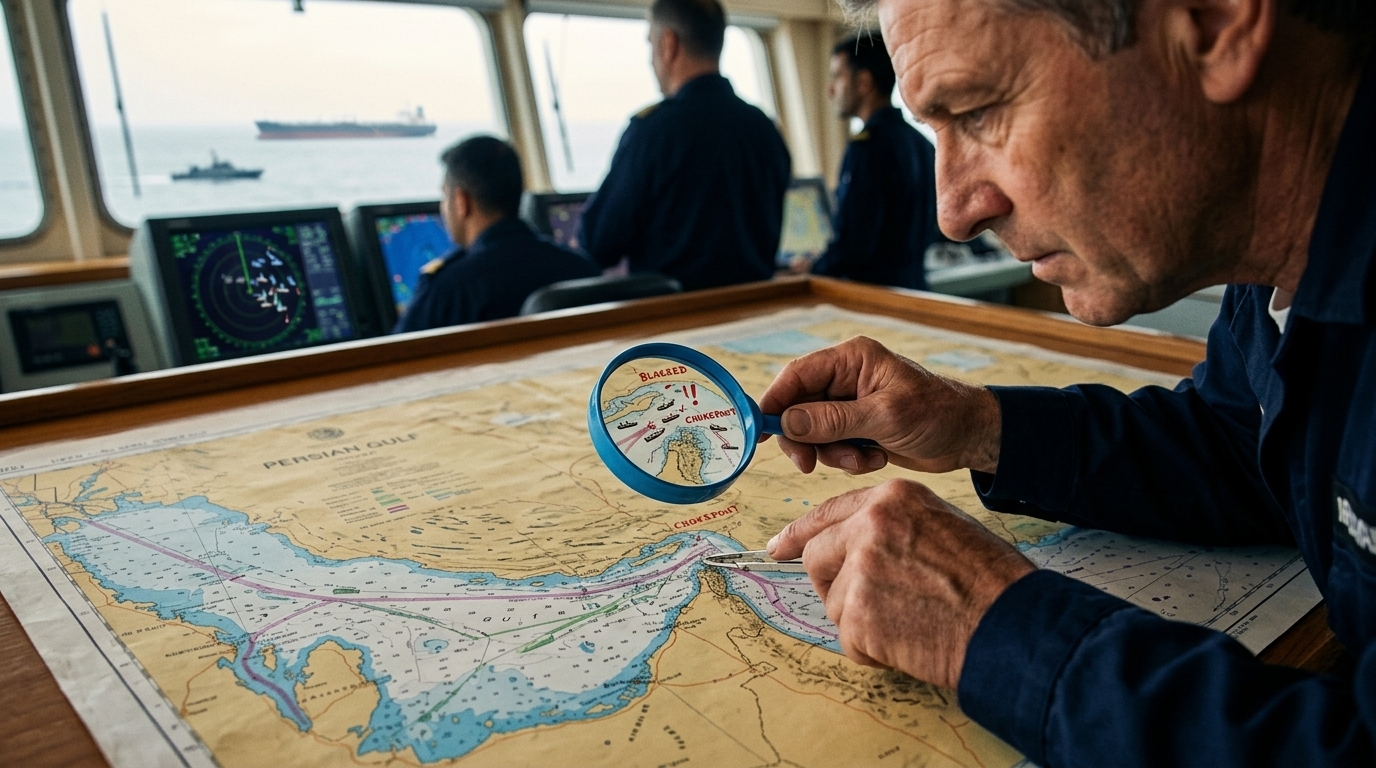
In a period where global geopolitical stability appears more fragile than ever, Iran has chosen to reactivate its most potent leverage: control over the Strait of Hormuz. In a statement that sent immediate shockwaves through international markets, Tehran announced its intention to assume full control over navigation in this strategic passage, even without the cooperation or consent of Oman. This move is not merely a military threat but a clear diplomatic gambit, manifesting just days before a critical new round of negotiations with the United States aimed at permanently ending regional conflicts.
The Strategic Significance of the World's Oil Artery
The Strait of Hormuz is not just a geographical point; it is the primary artery of the global energy system. Measuring only 21 miles wide at its narrowest point, this passage facilitates the transport of approximately 20% to 30% of global oil consumption daily. For Asian economies such as China, Japan, and India, the Strait is a matter of national survival. Iran’s announcement that it intends to impose its own rules of navigation, bypassing international law and bilateral agreements with Oman, upends a decades-old status quo.
Historically, Oman has functioned as the "silent guarantor" of stability in the region, maintaining open channels of communication with both the West and Tehran. Iran's declaration that it can proceed unilaterally suggests a dangerous tilt toward isolationism and aggression. Analysts suggest this move is designed to demonstrate that Tehran possesses the means to trigger global economic chaos if its demands in the upcoming talks are not met.
A High-Stakes Game of Brinkmanship Ahead of US Talks
The current escalation (July 2026) follows months of behind-the-scenes deliberations. The United States, pressured by domestic public opinion to lower fuel prices, is seeking a "grand bargain" that would include monitoring Iran's nuclear program and ending its support for regional proxies. Iran, for its part, demands the complete lifting of sanctions that are strangling its economy.
"The sea belongs to no one, but the key to the gate lies in the hands of those with the will to use it," stated a high-ranking official of the Revolutionary Guard, signaling the Iranian hardline stance.
Iran's military presence in the area has been significantly bolstered in recent years. Utilizing fast attack craft, kamikaze drones, and sophisticated mining systems, Iran can make tanker transit extremely hazardous and expensive due to skyrocketing risk premiums. The threat to Oman, which shares the territorial waters of the Strait, is also immediate, as the country risks being dragged into a conflict it has spent decades trying to avoid.
Global Economic Fallout and the Limits of Naval Power
Markets reacted instantaneously to the news. Brent crude prices surged by 4% within hours, while shipping companies are already considering alternative routes, which are both time-consuming and costly. China, the largest buyer of Iranian oil but also the primary importer from the Persian Gulf, find itself in a difficult position. While it traditionally supports Tehran, a disruption in the Strait would severely impact its own industrial output.
- Surge in international energy prices and inflationary pressures.
- Increase in insurance premiums for shipping in the Gulf region.
- Diplomatic pressure on Oman to take a definitive stance.
- Risk of a military accident that could trigger a wider regional war.
In conclusion, Iran’s insistence on controlling the Strait of Hormuz is a high-stakes gamble. While it may provide Tehran with an advantage at the negotiating table, this strategy of brinkmanship risks completely isolating the country and provoking a military response from a US-led international coalition. The coming week will be decisive in determining whether diplomacy can prevail over the drums of war.





