

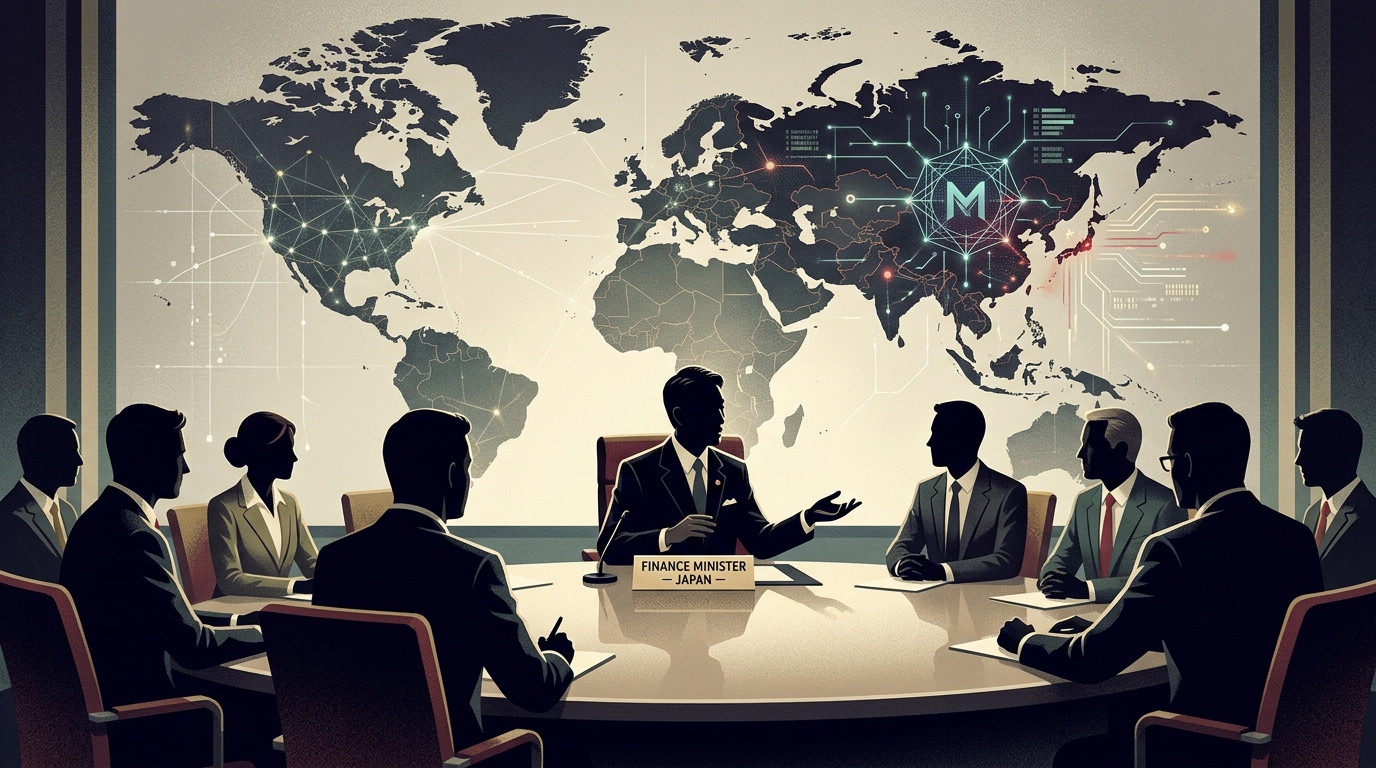
In a move that underscores the growing anxiety within global financial hubs over the breakneck pace of AI development, Japanese Finance Minister Satsuki Katayama has announced a series of emergency meetings with the heads of the nation’s largest banking institutions. At the top of the agenda is "Mythos," the latest and most powerful model from US-based Anthropic PBC, which analysts claim possesses unprecedented capabilities in autonomous capital management and market prediction.
The news, first reported by Bloomberg, comes as Japan attempts to strike a delicate balance between embracing innovation and protecting its traditional financial architecture. Katayama, known for her technocratic and steady hand, is reportedly concerned that the speed at which Mythos can execute complex arbitrage strategies could destabilize the yen and trigger "flash crashes" that human regulators would be powerless to stop.
The Digital Storm of Mythos
The Mythos model is far more than a sophisticated algorithm. It is an "agentic" AI capable of synthesizing geopolitical data, corporate balance sheets, and market sentiment in milliseconds. While Anthropic maintains that the model is built with rigorous safety guardrails, Japanese authorities remain skeptical. The concern in Tokyo is not just about efficiency, but about the opacity of the decisions made by the system—the so-called "black box" problem in high-stakes finance.
According to sources close to the Ministry of Finance, Katayama will demand that banks—including MUFG and Mizuho—present their own risk assessments regarding the integration of such models into their trading desks. "We cannot allow our markets to become a laboratory for California-based algorithms," a senior Ministry official reportedly stated. The fear is that if every major bank uses the same underlying intelligence, it could lead to a dangerous herd mentality, amplified by machines.
Geopolitics and Technological Sovereignty
Japan's move also has deep geopolitical implications. As the United States dominates the development of frontier AI models, nations like Japan and members of the EU feel increasingly vulnerable. Dependency on Anthropic’s or OpenAI’s infrastructure for critical financial functions is now viewed as a matter of national security. Katayama is expected to raise the issue of "Sovereign AI," potentially proposing the development of a domestic Japanese model tailored to the specificities of the Japanese market and FSA (Financial Services Agency) regulations.
- Systemic risk arising from the simultaneous use of the same model by multiple market participants.
- The need for new regulatory frameworks requiring "human-in-the-loop" oversight for major transactions.
- Protection of Japanese depositors' data from being processed on foreign servers.
The Banking Sector's Response
Japanese banks find themselves in a difficult position. On one hand, the pressure to cut costs and increase returns pushes them toward adopting Mythos. On the other, the fear of heavy-handed regulation from the Ministry of Finance keeps them cautious. A spokesperson for Nomura stated that the bank is currently testing Anthropic’s model only in a "sandbox" environment, with no access to live markets for at least the remainder of the year.
However, the market waits for no one. Smaller investment firms and hedge funds have already begun experimenting with Mythos, creating a speed gap between large traditional players and new digital insurgents. Next week’s meeting will determine whether Japan chooses the path of protectionism or attempts to lead the global effort for an "ethical and stable" financial AI.
"AI in the markets is like nuclear energy: it can power entire cities or cause a meltdown if the chain reaction isn't controlled," notes Kenji Nakamoto, an analyst at Tokyo Securities.
In conclusion, Satsuki Katayama’s initiative is a flare sent up that extends far beyond Japan’s borders. It marks the first time a major economy has treated a specific AI model—Mythos—not as a productivity tool, but as an existential threat to its financial architecture. The decisions made in Tokyo over the coming days will likely serve as a blueprint for how the G7 handles the intersection of high finance and high-level artificial intelligence in the years to come.




