

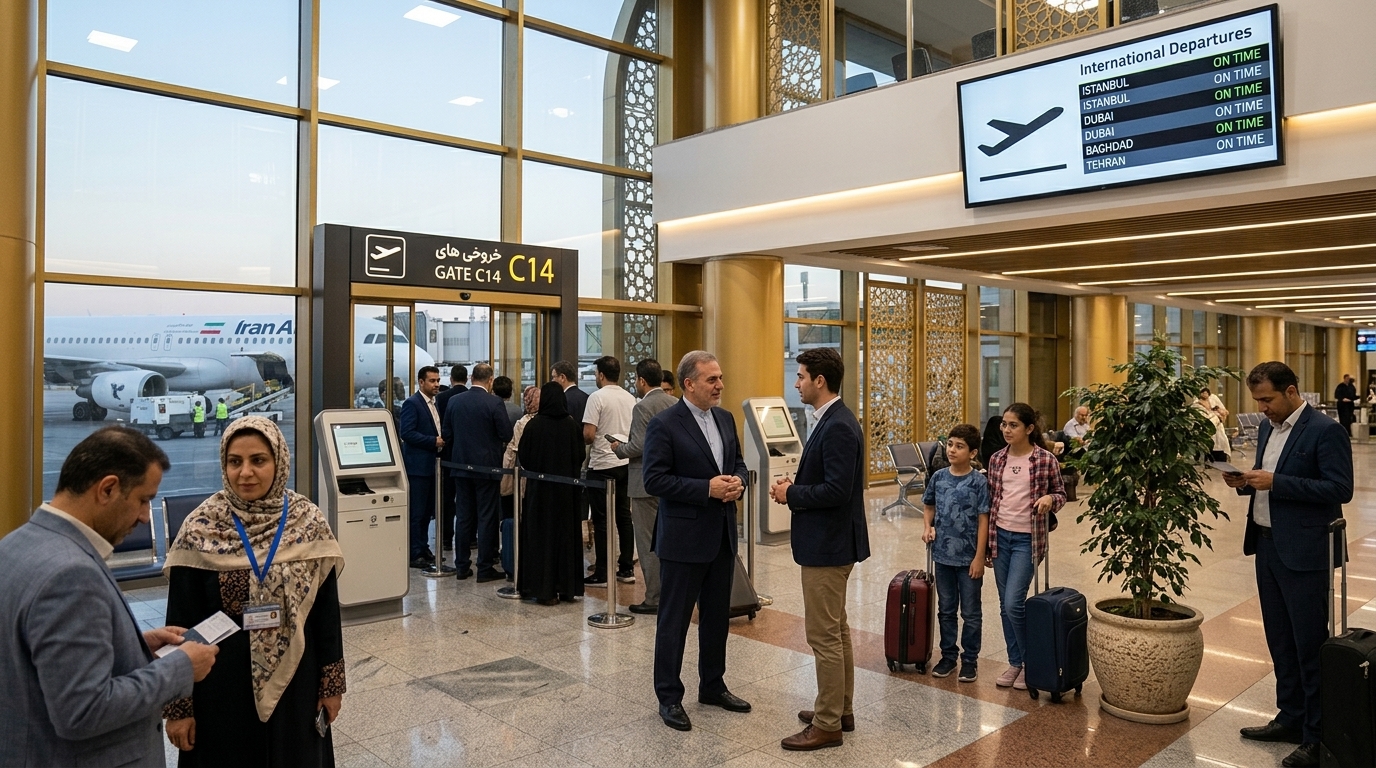
The news that Tehran's two primary airports, Imam Khomeini International and Mehrabad, have resumed operations is more than just a technical return to flight schedules. In the complex geopolitical chessboard of the Middle East, airspace control is the ultimate expression of sovereignty and, simultaneously, a barometer for the likelihood of imminent military conflict. The decision by the Iranian Civil Aviation Organization to lift restrictions comes after weeks where the region teetered on the brink of total war, following exchanges of strikes between Tehran, Jerusalem, and US forces in the area.
The Strategic Significance of Reopening
This move is interpreted by international analysts as an attempt by the Iranian leadership to project confidence and stabilize the domestic market. The closure of the airports had paralyzed commercial transactions and sent inflation skyrocketing, as air-dependent supply chains were abruptly severed. By reopening them, Tehran signals to the international community that it perceives the immediate threat to have receded, or at least that it is prepared to manage the situation without completely sacrificing its economic activity.
- Restoration of international connections with hubs like Istanbul and Dubai.
- Boosting the morale of citizens who had been in a state of panic in recent days.
- Maintaining channels for the transport of humanitarian aid and critical medical supplies.
The Shadow of Electronic Warfare and AI
Despite the reopening of the airports, the situation remains tense "beneath the surface." Modern conflicts are no longer fought solely with missiles, but with electronic jamming systems and cyberattacks. Flight safety in Iranian airspace remains a challenge, as GPS systems frequently experience interference, making civil aviation navigation hazardous. The use of AI by defense forces for real-time target identification increases the risk of a "fatal error," reminiscent of the downing of flight PS752 in 2020. Airlines remain cautious, with many Western carriers continuing to avoid Iranian airspace, opting for longer and more expensive routes.
"The resumption of flights is a political decision dressed in technical garb. Tehran needs the revenue and the image of normalcy, but the risk in the skies remains higher than ever," says a senior IATA official.
Economic Impact and the Day After
Iran's economy, already strained by years of sanctions, took a heavy hit during the recent escalation. The national currency, the rial, hit record lows, while the prices of basic goods soared. Reopening the airports is the first step in stemming this decline. However, full restoration of investor and tourist confidence will require more than just open runways. It requires a stable diplomatic path, which currently seems distant. The international community is closely watching whether this "de-escalation" will be accompanied by a reduction in hostile rhetoric or if it is merely a lull for the regrouping of forces.
In conclusion, the return of flights to Tehran is a fragile victory for diplomacy and economic necessity over the drumbeats of war. As radars begin to fill again with civilian aircraft blips, the hope is that reason will prevail over rage, allowing the region to avoid a catastrophic war that would permanently alter the map of the Middle East.




