

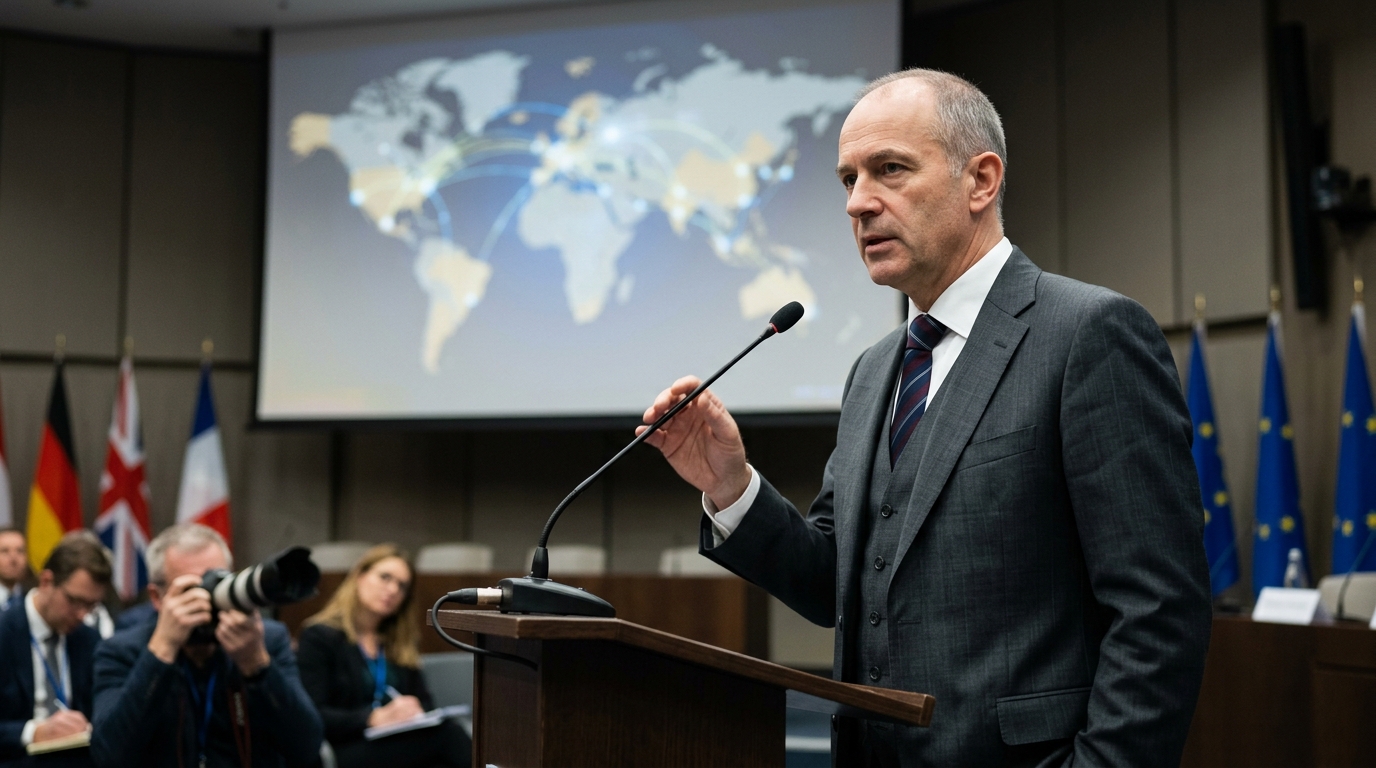
The era of the Cold War may be long gone, but the methods of propaganda and psychological warfare have migrated to a new, more sophisticated battlefield: our smartphone screens. Recent revelations suggest that the geopolitical conflict between the US and China for dominance in Artificial Intelligence (AI) has taken a dark turn, involving the use of "dark money" to fund social media influencers. The goal? To portray every Chinese achievement in the field of AI as a direct threat to national security and citizen privacy.
The Strategy of "Shadow" Influence
According to reports that have surfaced, numerous content creators on platforms like TikTok, Instagram, and YouTube were approached by seemingly independent think tanks and public relations firms. The proposal was simple yet ethically gray: create videos and posts highlighting the dangers of Chinese AI, often using unsubstantiated scenarios of espionage or data theft. "Dark money" refers to funds whose original source is difficult to trace, often flowing through networks of non-profit organizations funded by interests close to the US defense industry or political circles.
This tactic, known as "astroturfing," aims to create a false sense of organic, grassroots concern. When an influencer with millions of followers expresses "fear" over a new image-processing app from China, their audience is much more likely to believe them than an official government announcement. The power of the personal connection influencers have with their audience is now being weaponized in the digital competition between superpowers.
The Geopolitical Chessboard and AI
Artificial Intelligence is no longer just a productivity tool; it is the new "nuclear race." Whoever dominates the algorithms will control not only the economy of the future but also the global flow of information. Washington views the rapid rise of companies like ByteDance and Baidu with suspicion, as they have made significant strides in Large Language Models (LLMs) and recognition technologies. The effort to demonize these technologies through influencers is part of a broader strategy of containment.
However, this practice poses serious risks to democracy itself. The use of disinformation and paid narratives erodes citizens' trust in objective reporting. If users cannot distinguish whether an opinion is sincere or a transaction product, the public sphere collapses. Furthermore, focusing on the "Chinese threat" often distracts from real privacy issues caused by American tech giants, who collect data in equally aggressive ways.
The Ethical Crisis of the Creator Economy
The revelation of these practices brings to the fore the lack of a regulatory framework in the creator economy. While traditional advertisements must be clearly labeled, "political placements" or "security analyses" by influencers often remain in a legal gray area. Many creators, lured by high fees that far exceed standard commercial partnerships, become—wittingly or unwittingly—pawns in an information war.
China, for its part, is not sitting idle, using its own means to promote its narratives. However, the revelation that a country identifying itself as a beacon of free speech uses "black propaganda" methods provokes strong reactions. The need for transparency in influencer funding and the tightening of rules regarding what constitutes "sponsored content" is now imperative.
"Truth is the first casualty in war, even in the digital one. When algorithms meet dark money, reality becomes optional."
In conclusion, the case of paid influencers in the US serves as a warning for the future of information. As AI continues to evolve, the battle for control over public opinion will become increasingly complex. Citizens are called to develop strong critical thinking filters, recognizing that behind an "innocent" TikTok video, million-dollar geopolitical interests may be lurking. Technology should unite us, not become the means for creating new walls of fear and prejudice.





