

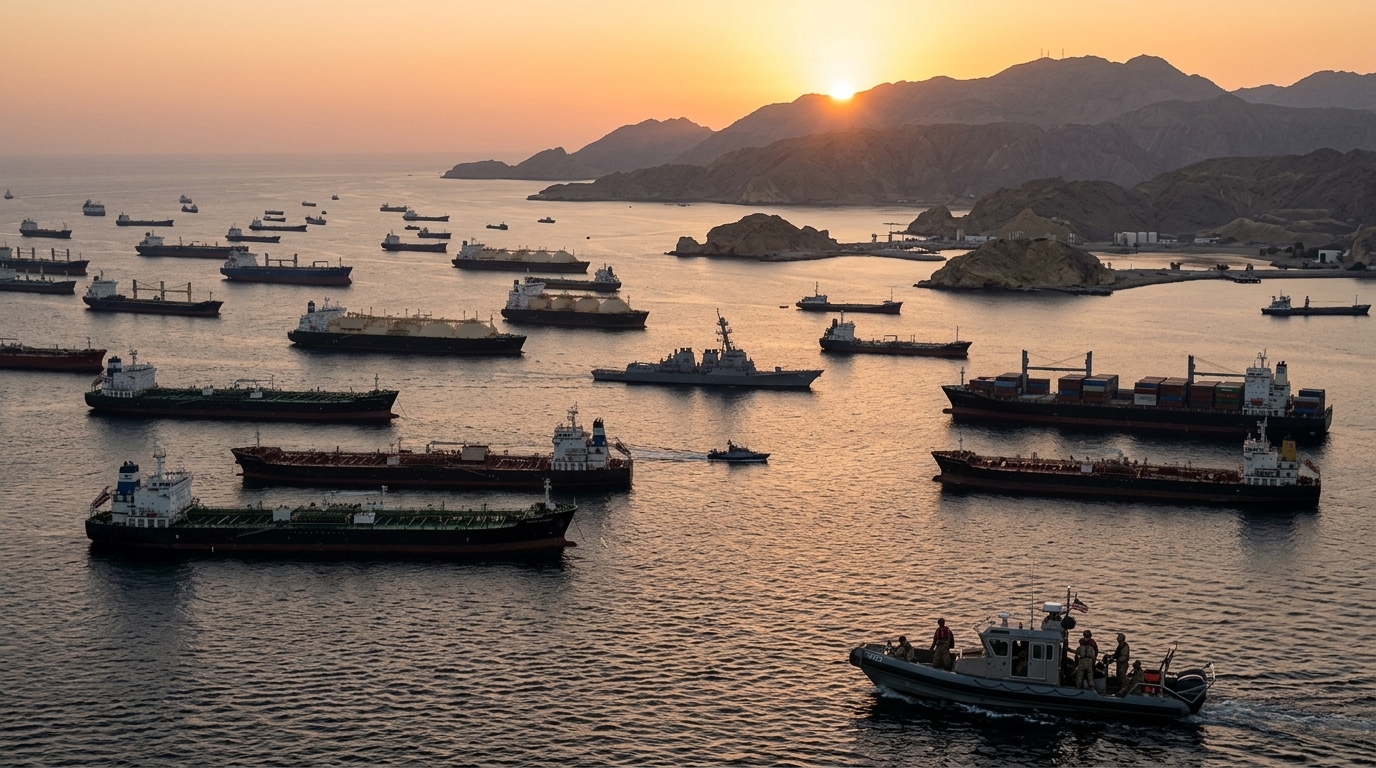
The Strait of Hormuz, a narrow stretch of water separating Oman from Iran, has for decades been the "jugular vein" of the global economy. With 20% of global oil consumption passing through this chokepoint, any tension in the region traditionally sent shivers through international markets. However, 2026 finds the world in a paradoxical state: despite geopolitical turbulence, the much-feared "oil shock" has been avoided. This success was not accidental, but the result of a decade-long strategic fortification combining infrastructure, technology, and diplomacy.
The Architecture of the Bypass: Pipelines and Alternative Routes
The first and foremost line of defense against a potential closure of the Strait has been systematic investment in pipelines that bypass the chokepoint. Saudi Arabia and the United Arab Emirates have completed gargantuan infrastructure projects that allow for the transport of millions of barrels per day directly to the Red Sea and the Gulf of Oman. Saudi Arabia's East-West pipeline, with a capacity now reaching 7 million barrels per day, acts as a safety valve that decouples production from the necessity of maritime transit through Hormuz.
Furthermore, the development of the Habshan-Fujairah pipeline in the UAE has transformed the port of Fujairah into one of the world's most significant energy hubs outside the Strait. This physical diversification of export routes has drastically reduced the "geopolitical leverage" that regional powers could exert, making the threat of a blockade less effective as a tool of blackmail.
Strategic Reserves as a Psychological and Economic Shield
Beyond the piping, the world has learned to stockpile. Strategic Petroleum Reserves (SPR), once considered a last-resort solution for wartime, have evolved into tools for active market management. Coordinated action by the International Energy Agency (IEA) and a massive increase in storage capacity in China and India have created a "cushion" that can supply global demand for months, even if the flow from the Gulf were to stop entirely.
The existence of these reserves has had a catalytic effect on market psychology. In the past, a simple rumor of mines in the Strait would send Brent prices soaring by 15-20% within hours. Today, market algorithms factor in the immediate availability of reserves, limiting volatility. "Security through abundance" has replaced the doctrine of "just-in-time" delivery in energy security.
The Shift in Production Centers and the Energy Transition
Another critical factor is the shift in the global energy map. The explosive rise in production in the US, Brazil, and Guyana has shifted the center of gravity of supply away from the Middle East. The United States, from a net importer, has become a dominant exporter, reducing Western dependence on the whims of Gulf states. This structural change means that a disruption in Hormuz, while painful, is no longer fatal.
At the same time, the progress of the energy transition is beginning to bear fruit. While oil remains vital, the increasing penetration of electric vehicles and renewable energy sources in heavy industry has begun to "deflate" demand in critical markets. Europe, for instance, is today far less vulnerable to an oil shock than it was a decade ago, thanks to the diversification of its energy mix.
Why the Risk Persists: The New Generation of Threats
Despite the optimism, it would be a mistake to consider the problem permanently solved. Threats have simply evolved. The danger is no longer just the closure of the Strait by a fleet, but asymmetric attacks with drones and cyber warfare against infrastructure. A well-targeted digital strike on the control systems of bypass pipelines could negate all the advantages built with such effort.
Moreover, geopolitical instability remains an unpredictable factor. China's growing influence in the region and new alliances within the BRICS+ axis create a new power framework where traditional US security guarantees are being challenged. The security of the Strait of Hormuz is no longer a technical navigation issue, but a complex balancing act in a multipolar world. The lesson of 2026 is clear: resilience requires constant vigilance, not complacency.





