

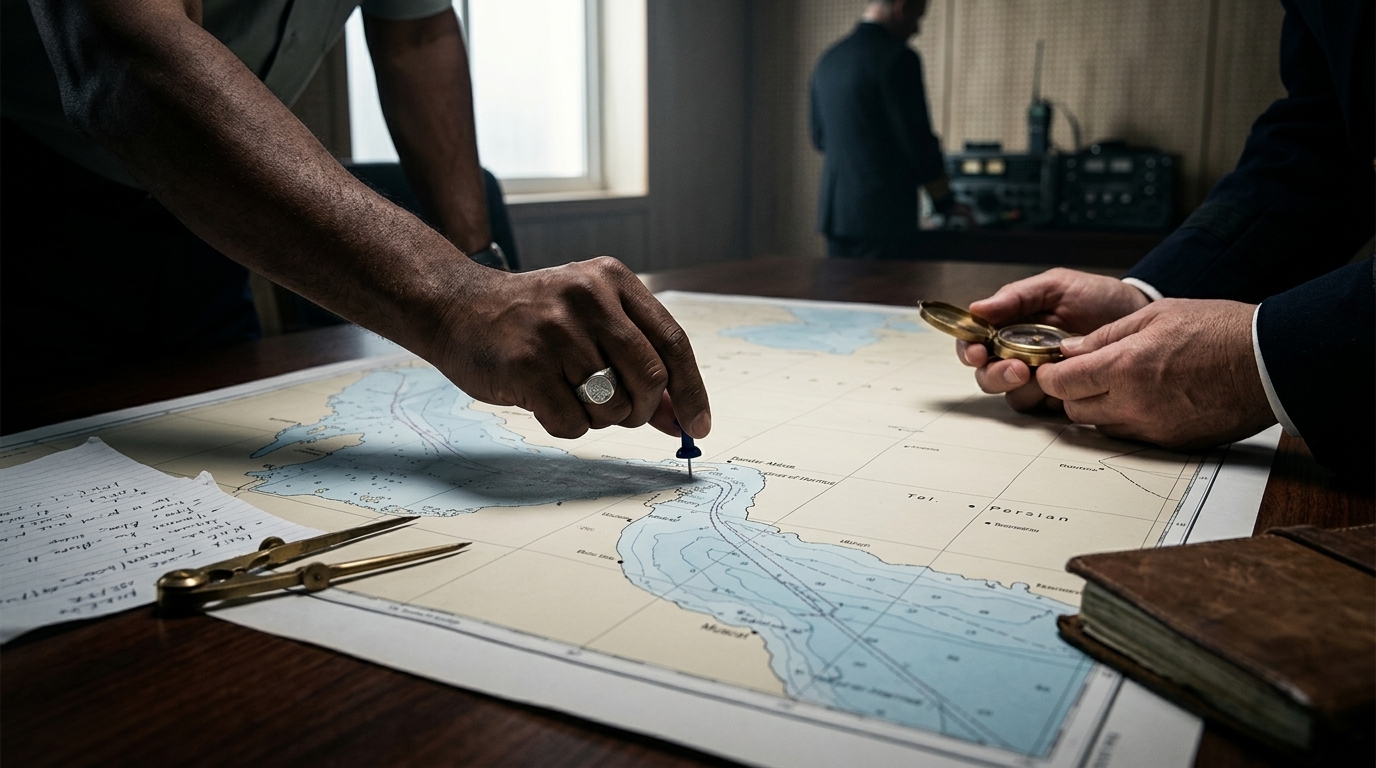
At the heart of the global energy chessboard, a narrow strip of water separating Oman from Iran remains the most critical barometer of international stability. The Strait of Hormuz is not merely a geographical passage; it is the "pulse" of the global economy. As of May 2026, the tension between the United States and the Islamic Republic of Iran is entering a new, more complex phase, as whispers of an "interim deal" grow louder, even as naval patrols are being reinforced.
Strategic Asphyxiation and the Energy Stakes
Why does the Strait of Hormuz command such awe in the markets? The answer lies in the numbers. Approximately 20% to 30% of total global oil consumption passes through this point, which at its narrowest is only 33 kilometers wide. For the economies of East Asia—China, Japan, and South Korea—the uninterrupted flow of tankers from the Persian Gulf is a matter of national survival. Any disruption, whether due to military engagement or "accidental" incidents, translates immediately into a spike in crude oil prices, causing an inflationary shock to a global economy still trying to find its balance after the crises of previous years.
Iran is well aware that the threat of closing the Strait is its strongest bargaining chip. Tehran uses this asymmetric power to offset the suffocating economic sanctions imposed upon it. For its part, the US maintains a robust presence via the Fifth Fleet in Bahrain, signaling that freedom of navigation is a "red line." However, 2026 finds Washington in a difficult position: the need to contain Iran's influence without triggering a new conflict that would send gasoline prices soaring during a sensitive political or economic period.
The Diplomatic Bargain: "Freeze-for-Freeze"
Recent reports of back-channel talks in Oman suggest a shift toward pragmatism. The so-called "less for less" strategy seems to be gaining traction. According to analysts, Washington might allow Iran to export more oil in exchange for limiting uranium enrichment and ceasing attacks by pro-Iranian groups on commercial vessels. This "cold peace" in the Strait is necessary for both sides. Iran desperately needs liquidity to quell domestic social unrest, while the US wishes to focus on its competition with China and the ongoing conflict in Ukraine.
- The significance of Oman and Qatar's roles as mediators.
- The impact of drones and unmanned underwater systems on Strait security.
- Saudi Arabia's stance, which now follows a more independent foreign policy.
However, stability remains fragile. The "Shadow Wars" at sea—ship seizures, sabotage, and cyberattacks—continue. Every incident in the Strait of Hormuz serves as a reminder that energy geopolitics is not just about prices, but about sovereignty. Tehran has invested heavily in fast attack craft and naval mines, creating an "anti-access/area denial" (A2/AD) environment that makes any US military operation extremely risky and costly.
The Chinese Parameter and the New World Order
A factor that did not exist with the same intensity a decade ago is China. Beijing, as the largest importer of Iranian oil (often through "ghost" fleets), has every interest in maintaining calm. China's mediation in restoring relations between Saudi Arabia and Iran in 2023 changed the calculus. Today, in 2026, we see a Middle East where the US is no longer the sole arbiter. This creates a new dynamic in the Strait: Iran feels more secure having a powerful economic partner in the East, allowing it to be tougher in its negotiations with the West.
"The Strait of Hormuz is where geopolitical theory meets the raw reality of survival. There is no alternative route that can fully replace this channel," notes a senior official from the International Energy Agency.
In conclusion, the battle for the Strait of Hormuz in 2026 is not fought only with cannons and missiles, but with bank accounts, diplomatic cables, and energy contracts. The balance of terror between the US and Iran continues, with the rest of the world watching with bated breath every movement of the ships crossing these narrow but decisive waters. The future will depend on whether diplomacy can overcome decades of suspicion, or if the "accident" everyone fears is lurking just around the next headland.





