

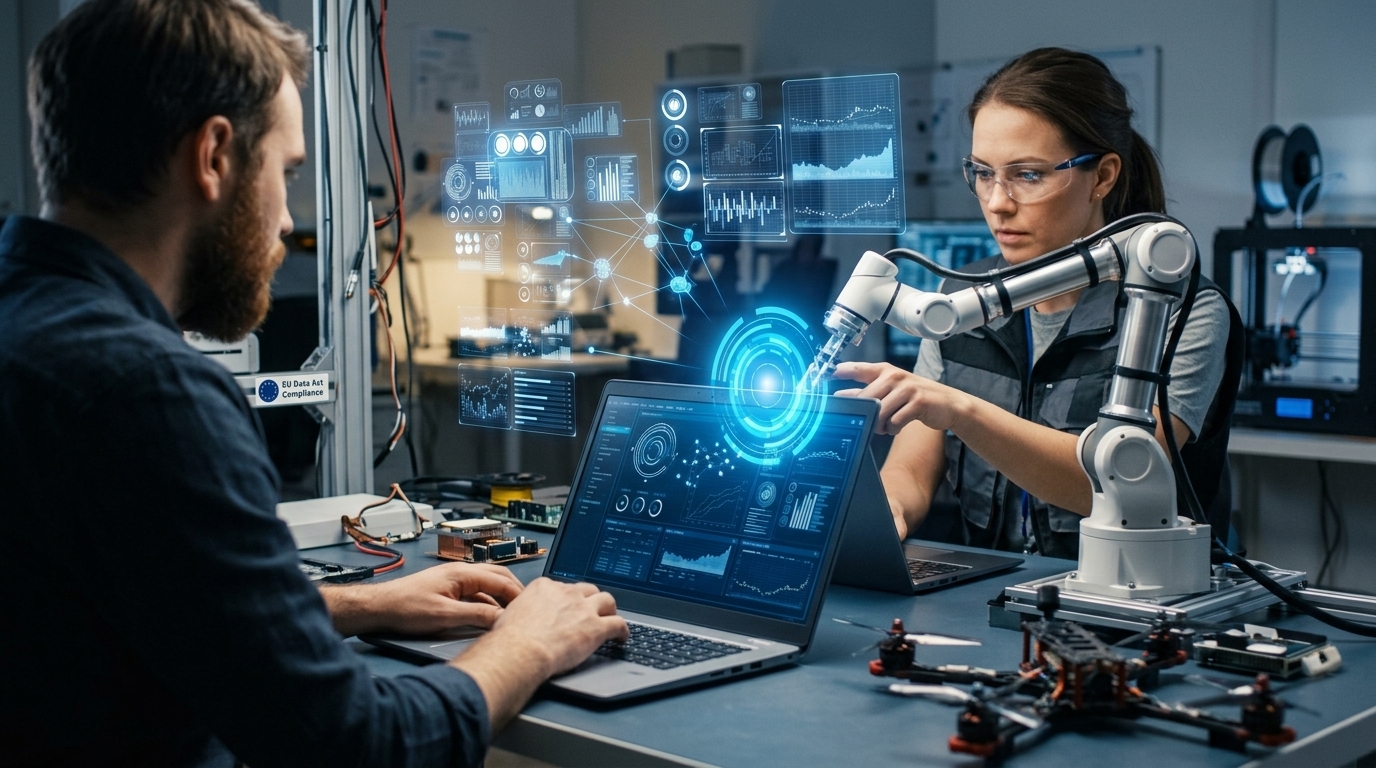
Artificial intelligence is no longer just a technological advancement; it is the primary arena where the rules of the new era will be decided. According to analysis from Naftemporiki, AI serves as the vehicle for controlling critical infrastructure and influencing global economies and political decisions.
Europe's Regulatory Deficit
For years, Europe operated under the belief that its regulatory power—focused on data protection and ethical frameworks—could compensate for its technological gap. However, an uncomfortable reality is emerging: rules without industrial and technological might risk becoming mere declarations without substance.
Beijing's Strategic Build-out
In contrast, China is executing a comprehensive strategy that merges state support with international partnerships. Beijing's competitive edge lies not just in innovation, but in its ability to provide cheaper, more accessible technology to nations that cannot keep pace with the multi-billion dollar race led by the United States. The message is clear: technological sovereignty is won by those who can distribute their inventions to the widest possible audience.
The Dilemma of Moral Superiority
While the Chinese model, characterized by censorship and state control, cannot serve as a blueprint for democracies, Europe faces a critical danger. The assumption that moral superiority automatically equates to global influence is a strategic error. Unless Europe develops its own distinct model, it risks becoming nothing more than the strictest supervisor of a technological revolution designed by others.





