

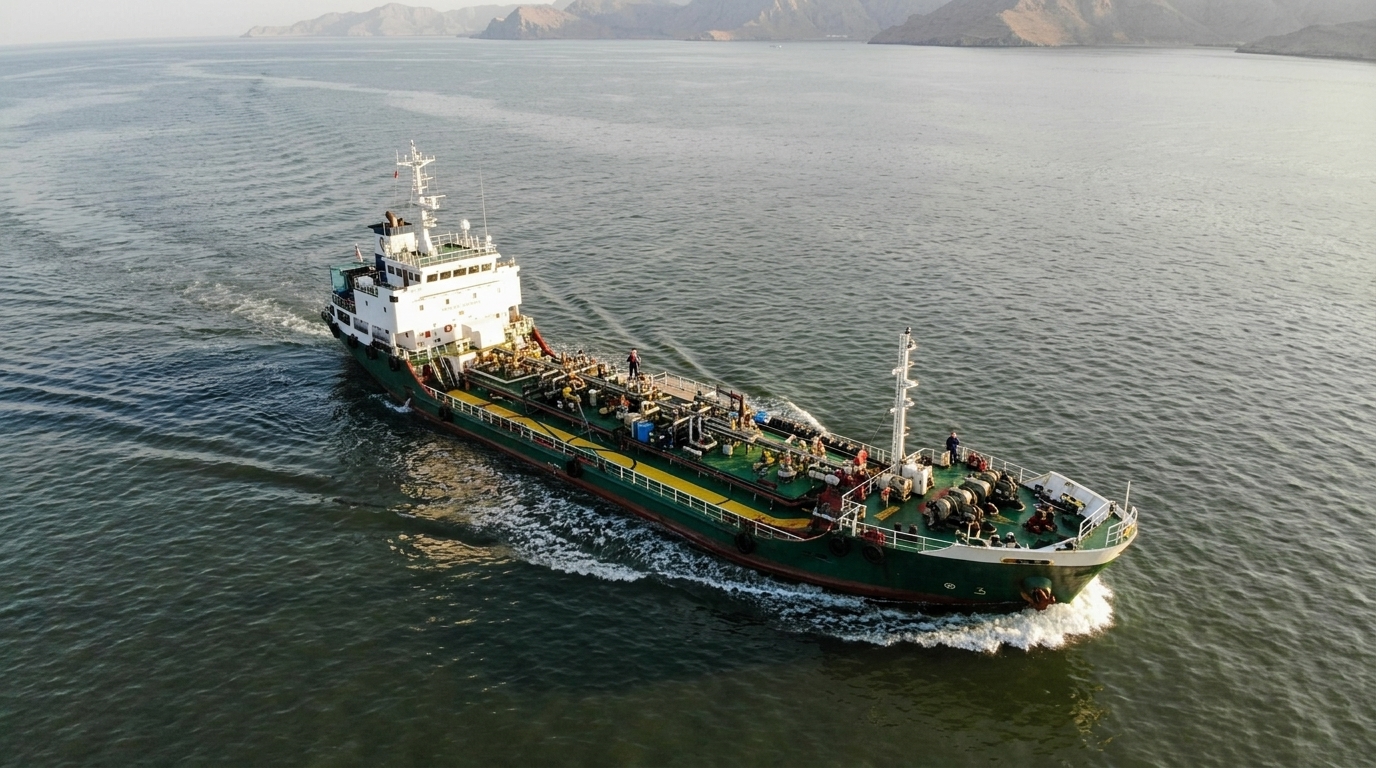
In the geopolitical minefield known as the Strait of Hormuz, where global energy security hangs by a thread, a new and deeply disturbing threat is emerging. It is not characterized by torpedoes or drones, but by code and social engineering. A sophisticated crypto-scam operation is now targeting the maritime industry, promising "guaranteed protection" from Iranian forces in exchange for hefty payments in digital assets. The result? Vessels lured into treacherous waters, only to face the stark reality of state-sanctioned seizure.
The Anatomy of a Digital Ambush
The scam operates with a methodical precision that suggests a profound understanding of maritime operations. The perpetrators, posing as representatives of shadowy security firms or even as "fixers" with alleged links to the Islamic Revolutionary Guard Corps (IRGC), approach shipowners and captains via encrypted communication channels. They claim to possess "whitelists" that ensure a vessel will not be harassed while transiting the narrow chokepoint.
To establish credibility, the scammers utilize forged documents featuring official-looking logos and terminology that mimics international maritime protocols. They demand payments ranging from $50,000 to $200,000 in Stablecoins (such as USDT) or Bitcoin, arguing that these funds are destined for "facilitation fees" to local actors. Once the payment is confirmed, the ship is provided with specific transit coordinates, which are supposedly "safe corridors."
"We haven't seen this level of convergence between cybercrime and geopolitical risk before. The scammers aren't just stealing money; they are gambling with the lives of crews and the stability of the global economy," says a Dubai-based maritime security analyst.
The Trap of "Safe Passage"
The tragedy of the situation, as recently highlighted by Ars Technica, is that these "safe routes" often lead ships directly into Iranian territorial waters or areas with high IRGC patrol activity. Instead of protection, captains are steering their vessels into a geopolitical trap. In at least one documented instance, a tanker following the scammers' instructions was intercepted by IRGC forces, as its course was deemed a violation of national waters.
It is crucial to note that there is currently no evidence linking the Iranian government to the crypto scam itself. On the contrary, it appears that third-party criminal elements are exploiting the existing tensions in the region to extort money. Iran, for its part, continues to enforce its own stringent policies in the Strait, seemingly indifferent to whether a vessel entering its waters was a victim of fraud or a deliberate intruder.
Impact on Shipping and Insurance
The emergence of this scam adds a new layer of complexity to the risk assessments of insurance companies. War risk premiums in the region are already at historic highs. The possibility of a captain bypassing official communication protocols to follow an unofficial crypto-brokered "deal" is a nightmare scenario for the legal departments of shipping giants.
- Erosion of Trust: The scam undermines legitimate security coordination efforts and international maritime cooperation.
- Maritime Cybersecurity: It highlights the desperate need for more robust digital communication protocols aboard commercial vessels.
- Economic Hemorrhage: Beyond the initial ransom, delays and potential legal battles following a seizure can cost companies millions of dollars.
Conclusion: The Need for International Synergy
Addressing this phenomenon requires more than just increased vigilance. It necessitates a coordinated effort between intelligence agencies, cryptocurrency exchanges, and maritime authorities. Shipowners must be trained to recognize the hallmarks of social engineering and understand that in the realm of international diplomacy and security, there are no "shortcuts" payable in Bitcoin.
As technology evolves, traditional conflict zones are being transformed into testing grounds for new forms of crime. The Strait of Hormuz remains an open wound in global geopolitics, and now, digital opportunists have found a way to rub salt into it, leveraging the fear and uncertainty of the high seas.





