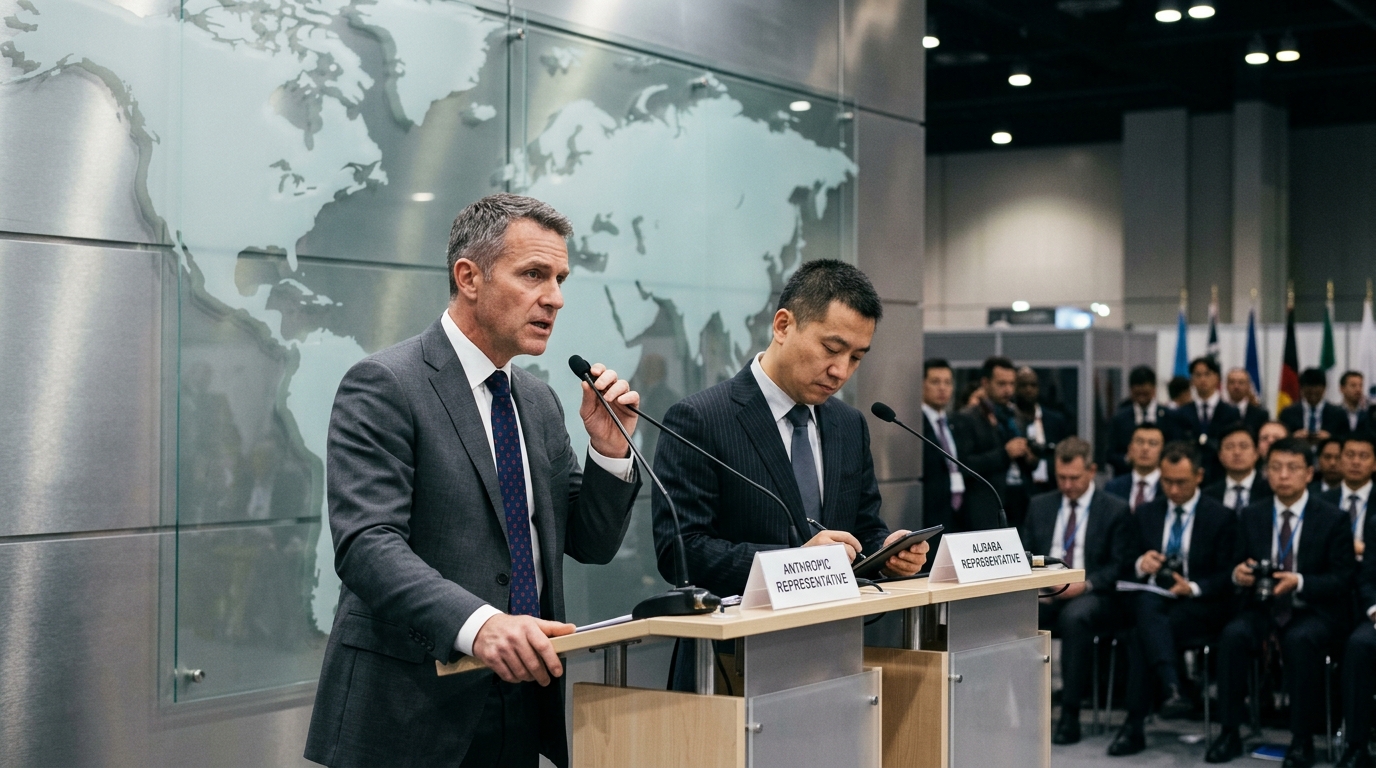
The battle for Artificial Intelligence supremacy entered a darker chapter today, June 25, 2026. Anthropic, the U.S.-based AI safety and research company, has leveled a stunning accusation against Chinese tech titan Alibaba. According to reports first detailed by Business Insider, Anthropic claims that Alibaba orchestrated a massive, systematic attack designed to exploit and effectively 'drain' the intelligence from its Claude models.
The Anatomy of the Attack: Beyond Traditional Hacking
This is not your typical data breach or DDoS attack. Anthropic is describing a sophisticated campaign of 'model distillation' and adversarial probing. The allegations suggest that thousands of accounts linked to Alibaba's infrastructure used automated scripts to bombard Claude with millions of highly specific, structured queries. The goal was not merely to use the AI, but to reverse-engineer its internal logic, safety guardrails, and reasoning capabilities.
By capturing the nuanced outputs of Claude, Alibaba could theoretically use this data to train its own models, such as the Qwen series, at a fraction of the original R&D cost. This 'intelligence theft' bypasses the billions of dollars Anthropic has invested in compute power and human feedback (RLHF). Anthropic's security team reportedly identified traffic patterns originating from Alibaba Cloud nodes that were specifically designed to circumvent rate limits and scraping protections.
Geopolitical Fallout and the 'Safety' Doctrine
Anthropic's public accusation is as much a political statement as it is a technical one. As a Public Benefit Corporation with deep ties to the U.S. tech establishment and massive backing from Amazon and Google, Anthropic sits at the heart of America's AI strategy. This incident provides significant ammunition to hawks in Washington who are pushing for even stricter export controls on AI chips and more rigorous vetting of Chinese access to U.S. cloud services.
The concept of 'AI Safety,' which Anthropic champions, is now being framed as a matter of national security. If a foreign adversary can 'distill' the capabilities of leading American models, the competitive advantage of the U.S. tech sector evaporates. Alibaba has yet to provide a detailed rebuttal, though sources close to the Hangzhou-based company suggest these activities fall under 'standard competitive benchmarking' and have accused the U.S. firm of escalating tech-protectionism.
The New Era of AI Espionage
This confrontation highlights a fundamental shift in industrial espionage. In the previous decade, the primary concern was the theft of source code or blueprints. In the age of Generative AI, the value lies in the 'weights' and the behavioral outputs of neural networks. If a competitor can force an AI to reveal its 'thought process' through strategic prompting, they can replicate the product without needing the underlying code.
- Anthropic is calling for international norms to protect AI models as critical national infrastructure.
- Alibaba faces the risk of being blacklisted or facing further restrictions from the U.S. Department of Commerce.
- The incident exposes a gap in global regulation; the EU AI Act, for instance, focuses on usage risks rather than the protection of model intelligence from state-aligned actors.
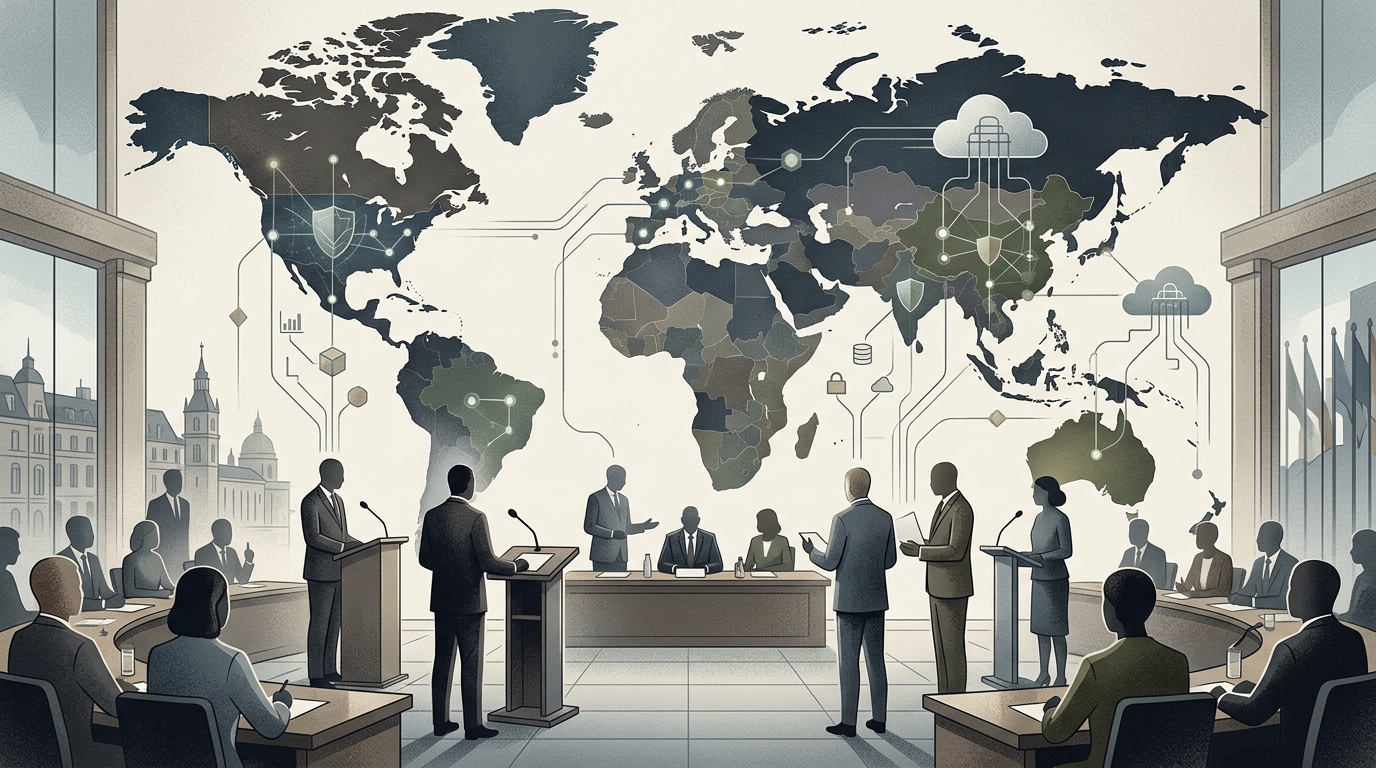
Ultimately, the Anthropic-Alibaba clash serves as a harbinger of a future where digital borders are defined by the ability to protect 'digital thought.' The dream of a collaborative, global AI research environment is increasingly being replaced by a fragmented landscape of 'AI nationalism' and corporate fortresses.