

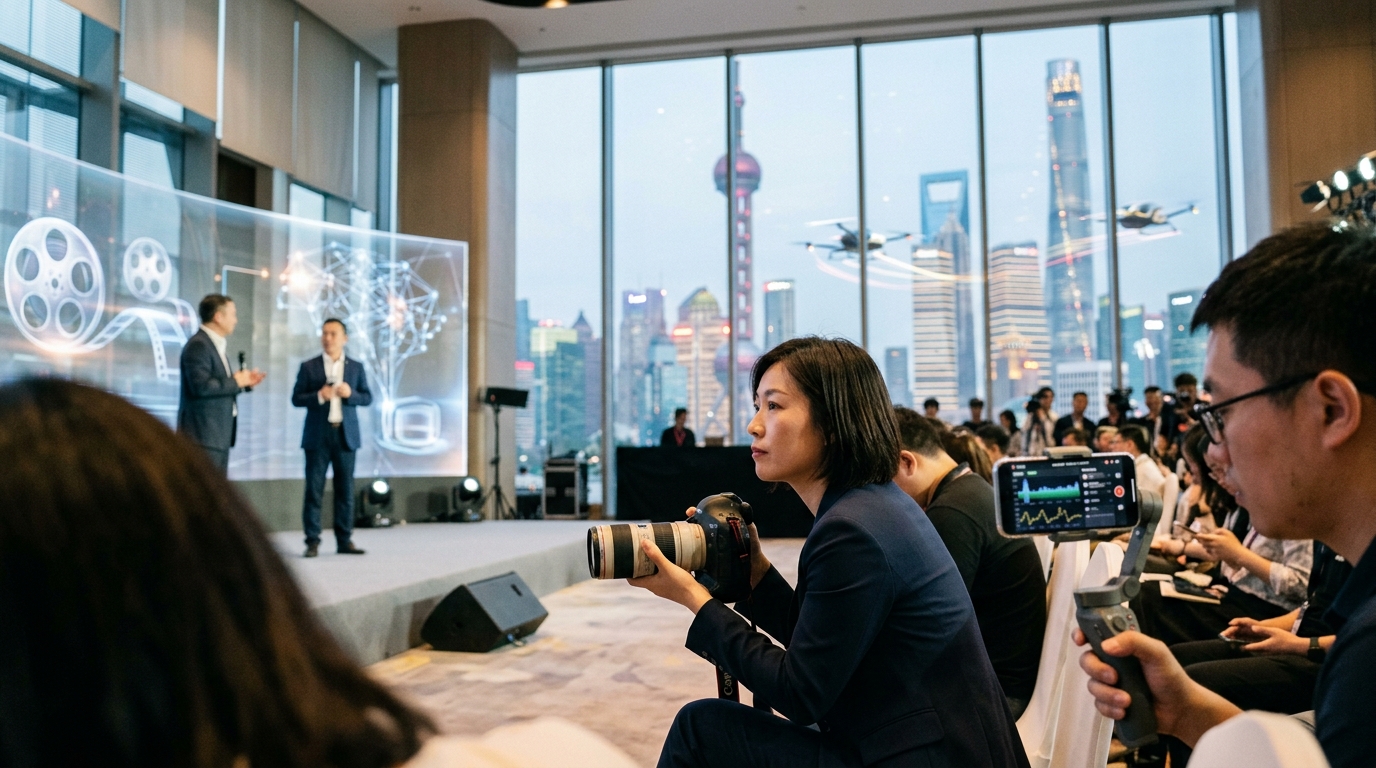
In the heart of one of the world's most dynamic metropolises, the Shanghai International Film Festival (SIFF) is no longer just a celebration of traditional cinema, but a laboratory for the future of human creativity. As we move through 2026, the convergence of cinematic storytelling and advanced technology has reached a tipping point, and Shanghai has chosen to lead this transition rather than resist it.
AI as a Co-Creator
The central theme dominating this year’s discussions was the integration of Generative AI into every stage of production. At the dedicated "AI + Cinema" forum, leading Chinese directors and technologists showcased tools that allow for the creation of complex visual effects (VFX) in a fraction of the time and cost required just two years ago. The use of models reminiscent of Sora, but tailored for the big screen, now enables independent creators to envision worlds that previously required budgets of hundreds of millions of dollars.
However, the conversation was not limited to imagery. AI is now being used for script analysis, predicting audience response, and optimizing editing workflows. "It’s not about replacing the director, but about liberating them from technical constraints," said one of the panelists. Shanghai became the setting where technology was presented not as a threat, but as a new digital canvas for the imagination.
Democratization via Smartphones
Another striking aspect of this year's festival was the emphasis on films shot with iPhones and other high-end smartphones. The "Short Film" category saw an explosion of entries that challenge the traditional notion that "real" cinema requires bulky and expensive equipment. With the advent of 48MP sensors and log recording capabilities, the image quality of a smartphone is now indistinguishable from professional cameras to the untrained eye.
This trend is directly linked to the Chinese culture of "fast content consumption," but in Shanghai, it was elevated to high art. Filmmakers are using the flexibility of mobile devices to capture moments of raw realism and intimacy that would be impossible to achieve with a full crew. This "pocket cinematic language" is creating a new genre of aesthetics that emphasizes movement, spontaneity, and authenticity.
Geopolitics and Technological Sovereignty
Behind the cameras and screens, the stance of the Shanghai Film Festival reflects China's broader ambition to become the global leader in cultural technology. While Hollywood continues to struggle with the ethical and legal challenges of AI—as evidenced by recent union strikes—China appears to be adopting a "tech-first" approach. State support for startups developing AI for film is evident, turning SIFF into a showcase of soft power and digital sovereignty.
The question that remains, however, is the balance between technological convenience and artistic substance. As content production becomes easier, the risk of saturation by visually stunning but emotionally hollow films increases. Shanghai this year sought to prove that technology can have a soul, as long as the human remains the architect of the vision.
"The camera is just a tool, whether it's a $100,000 Arri or the phone in your pocket. The future belongs to those who can bridge the gap between code and heart."
As the festival concludes, it leaves behind a clear message: the future of cinema is hybrid. It is a world where AI generates the impossible, smartphones capture the personal, and the big screen remains the ultimate sanctuary for these stories to be told.





