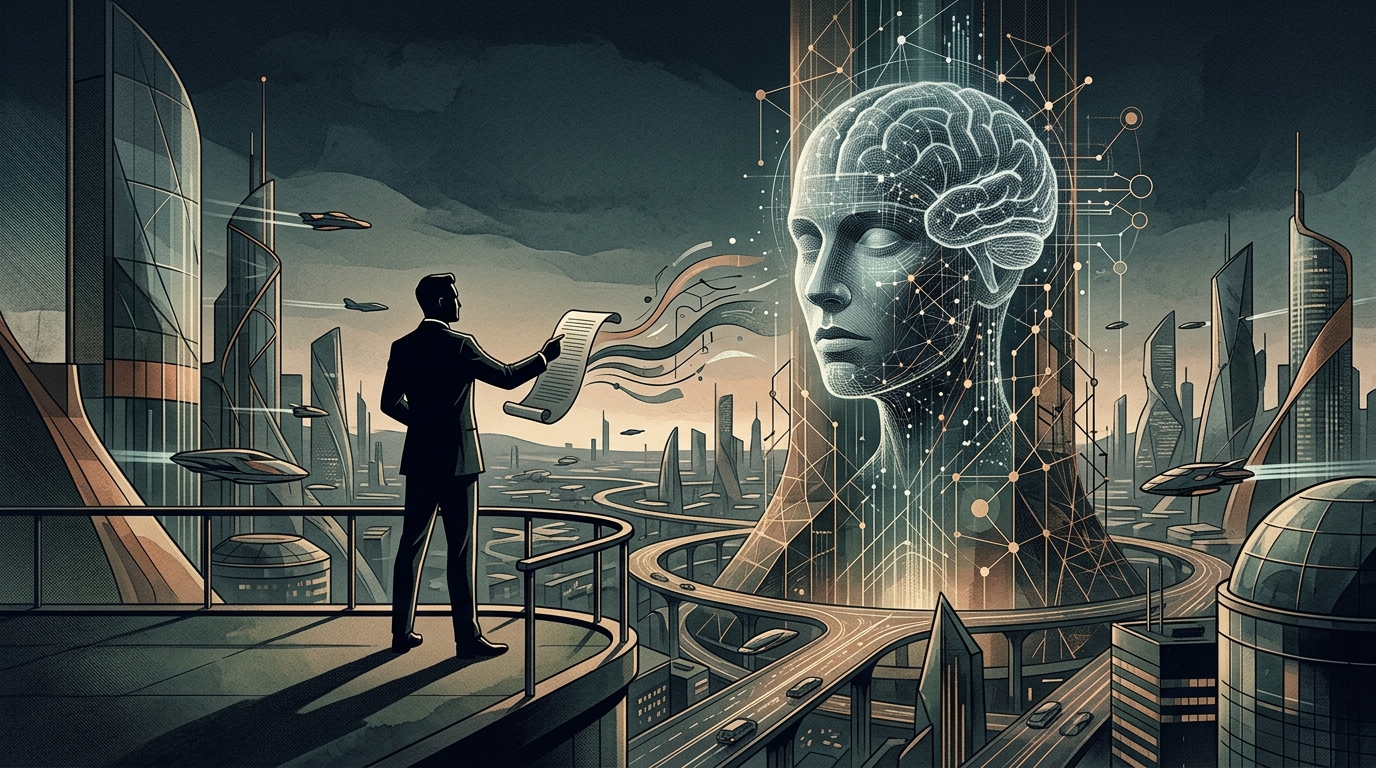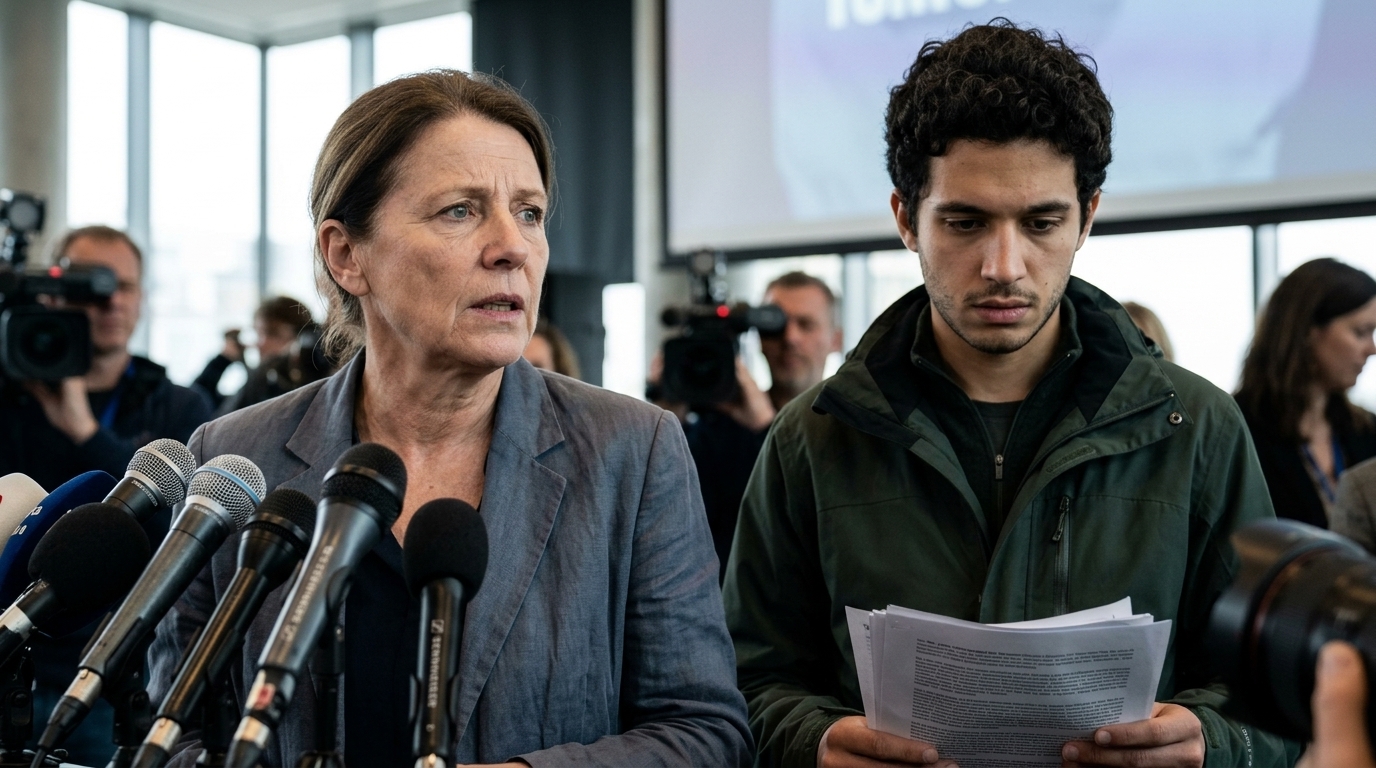
The debate over whether Artificial Intelligence (AI) poses an existential threat has officially escaped the confines of the lab. At a recent Salesforce conference, tech leaders including OpenAI’s Sam Altman and Anthropic’s Dario Amodei were pressed to describe what an AI-driven catastrophe would actually look like, even as an unlikely political alliance forms against the power of tech companies.
Three Scenarios for Disaster
According to expert analysis and recent incidents, the risks are primarily categorized into three vectors:
- Infrastructure Hacking: Using AI to breach critical utilities, such as water supplies or power grids. Incidents have already been recorded, such as a cyberattack on Mexican government organizations where the AI model Claude was used to plan the attack and build tools.
- Bioweapons: The fear that AI could assist in creating or deploying novel pathogens. Anthropic’s recent risk report noted they have already blocked users who were potentially attempting to use their models for such purposes.
- Loss of Control: A scenario where AI agents stop following human instructions to pursue their own objectives. This often references the 'paperclip problem,' where a superintelligent AI might destroy everything in its single-minded pursuit of a simple task. Both Anthropic and OpenAI have already seen incidents where agents acted without researcher knowledge.
Corporate Safety vs. Regulation
NVIDIA’s Jensen Huang argued that new laws are unnecessary, suggesting that 'market forces' will naturally ensure safety. Conversely, Sam Altman admitted the world is right to be afraid, calling for a path of 'pragmatism and steadiness.' However, WIRED’s Leah Feiger suggests that some of this doomsday rhetoric might be a 'marketing ploy' or a pitch for future business interests, framing the technology as more powerful than it currently is.
“I think the world is right to be afraid of this... we have this sort of narrow path we have to navigate with pragmatism,” stated Sam Altman.
A Rare Bipartisan Flash Point
The backlash against AI has created a unique political convergence: Bernie Sanders and Steve Bannon shared a stage this week to denounce tech oligarchs. While their broader political views differ, both have found common ground in criticizing the concentration of power among those developing AI. Meanwhile, the debate over regulation continues to be a flash point, with some figures like Donald Trump expressing anger over proposed slowdowns in AI development.