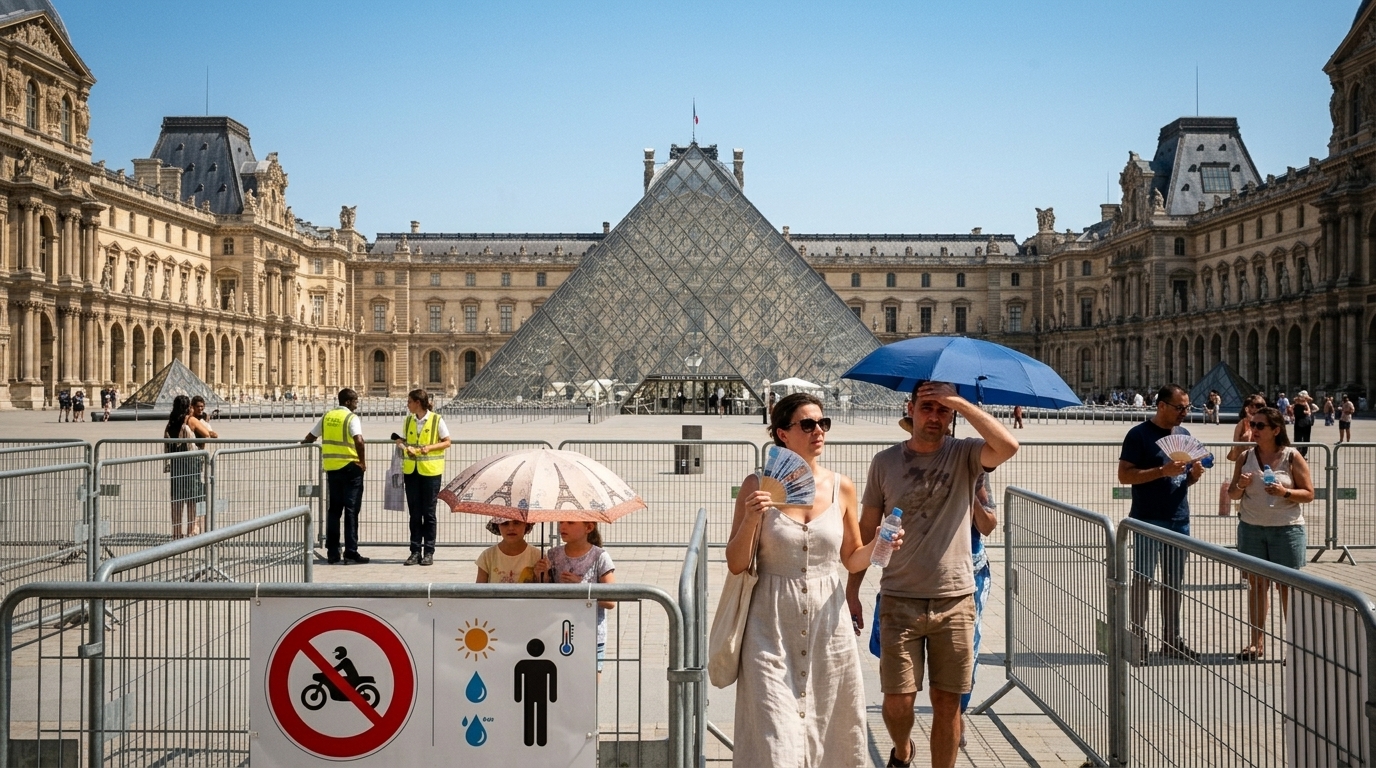
As we navigate through June 2026, Europe is confronting a climatic reality that was once relegated to the realm of far-future dystopian fiction. An explosive combination of high atmospheric pressure and searing air masses from North Africa has trapped the continent in a thermal vice, with over 100 million citizens living under extreme heat alerts. The situation on the Iberian Peninsula is particularly harrowing, as Spanish authorities have confirmed 212 heat-related deaths within a single week.
The Anatomy of a Climate Nightmare
The current heatwave is not merely another "hot spell." According to meteorologists, the formation of a massive "heat dome" over Western and Central Europe has led to atmospheric stagnation, blocking the entry of cooler Atlantic fronts. In France, cities that traditionally enjoyed temperate summers are seeing thermometers stuck above 38°C, while in the United Kingdom, infrastructure is buckling under the strain, with rail tracks at risk of warping and buckling.
Spain, however, remains the epicenter of the tragedy. The 212 deaths highlight a critical gap in the protection of vulnerable populations, despite advanced early warning systems. The majority of victims are the elderly and those with pre-existing health conditions living in urban centers, where the "urban heat island" effect intensifies nocturnal temperatures, preventing the human body from recovering from daytime thermal stress.
Infrastructure and Economic Paralysis
Beyond the tragic human toll, the heatwave is causing seismic shifts in the European economy. Power grids in Italy and Greece are being pushed to their absolute limits due to the widespread use of air conditioning. Simultaneously, nuclear power generation in France has been curtailed because river waters used for reactor cooling have become too warm to be safely discharged. Agriculture is also taking a brutal hit, with grain crops in Southern Europe facing total failure, fueling fresh concerns over food inflation.
- Collapse of labor productivity in outdoor sectors like construction and agriculture.
- Heightened risk of catastrophic wildfires across the Mediterranean basin.
- Immense pressure on healthcare systems due to heatstroke and respiratory distress.
- Significant transport disruptions caused by infrastructure failures.
"We are no longer witnessing climate change; we are witnessing climate breakdown in real-time. Our infrastructure was built for a world that no longer exists," says a leading environmental analyst in Brussels.
The Politics of Adaptation and the Path Forward
The European Union is under immense pressure to accelerate its adaptation policies. The "Green Deal" strategy now appears insufficient given the velocity of these climatic shifts. Radical urban redesign is required, incorporating more green spaces, "cool" building materials, and a massive upgrade of public health protocols. The conversation around "thermal justice" is gaining momentum, as poorer citizens are often unable to afford the electricity costs of air conditioning, leaving them disproportionately exposed.
In Greece, the situation remains precarious. While temperatures have not yet reached the record peaks seen in Spain, the prolonged duration of the event is depleting water reserves and escalating the wildfire risk. The need for a new national strategy that goes beyond firefighting to focus on long-term resilience is more urgent than ever. The summer of 2026 will likely be remembered as the year Europe realized that heat is no longer a seasonal inconvenience but an existential threat to its way of life.