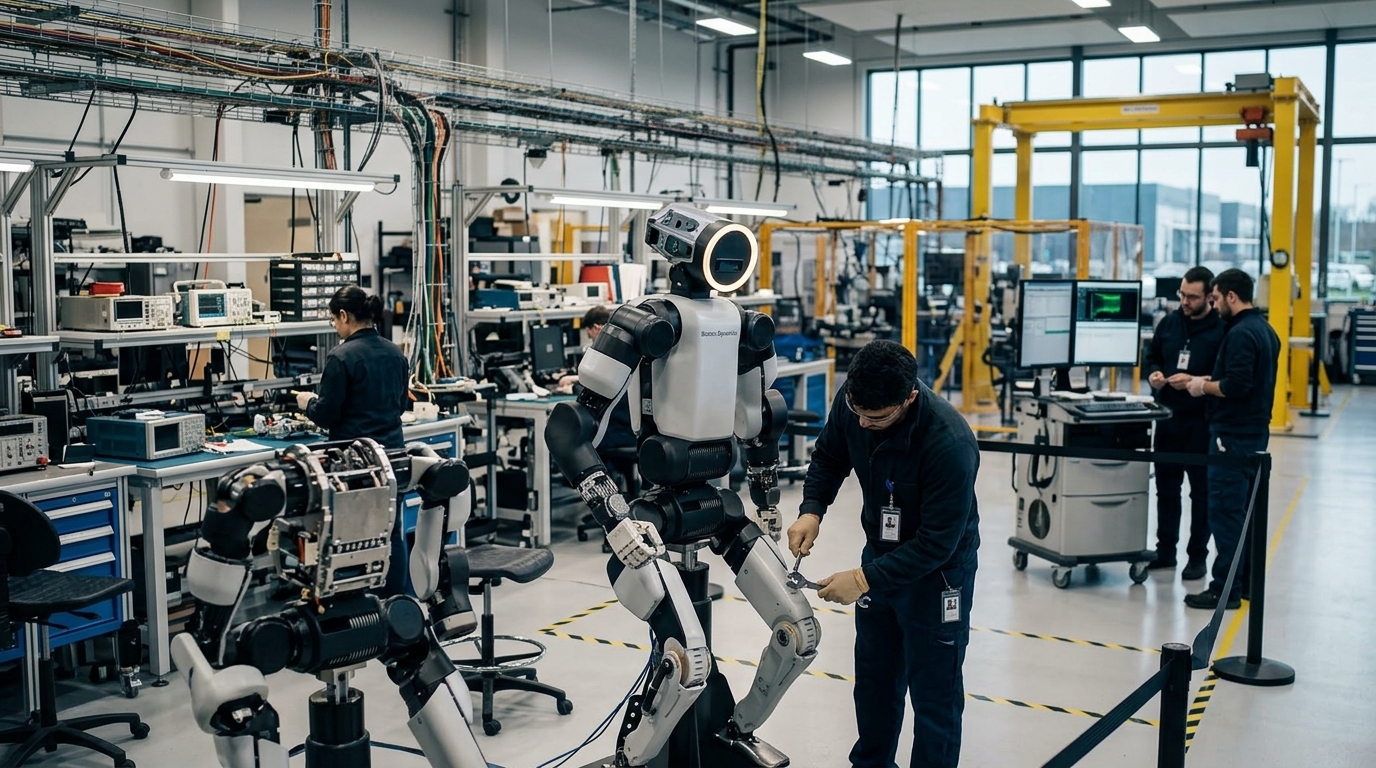
Hyundai Motor Company has clarified that its plan to deploy humanoid robots by 2028 is not a subject of current negotiations with striking South Korean autoworkers. The company is disputing reports that partial labor strikes at the world's largest automotive plant were triggered by concerns over the planned deployment of the Atlas robot.
Compensation vs. Automation
In a statement, Hyundai described the union's demands as focusing on compensation-related issues, including wage increases, bonuses, and an extension of the retirement age. "Potential deployment of robots in Korean production facilities is not part of the current labor-management discussions," the company stated, emphasizing that the 2028 rollout is currently limited to the Metaplant America facility in Georgia, USA.
However, the Hyundai Motor union has previously expressed significant concerns. Internal communications suggest the union is seeking to enshrine job protections in response to AI and robotic automation. "Remember that without labor-management agreement, not a single robot using new technology will be allowed to enter the workplace," the union warned in a letter reported by Reuters.
Legal Shifts and Global Context
The friction comes amid a broader wave of labor activity in South Korea following the implementation of the "yellow envelope law" in March 2026. This legislation expands labor rights and may slow the transition to robot labor by requiring management to negotiate automation efforts that significantly impact working conditions.
The issue is also resonating internationally. In the United States, Shawn Fain, president of the United Auto Workers (UAW), has warned against the threat of mass automation and humanoid robotics undermining worker compensation. While the Georgia facility is not yet unionized, the UAW has made efforts to organize workers at the site where Atlas is expected to debut.