As we navigate the summer of 2026, the definition of a "good hospital" has undergone a radical shift. It is no longer sufficient to merely possess world-class specialists or cutting-edge machinery. Today, excellence is judged at the intersection of three critical pillars: exceptional expertise, robust technological infrastructure, and, above all, unshakable trust. A recent analysis emerging from the international health forum in Vietnam highlights that emerging markets are now leading the digital transition, bypassing the legacy systems that often hinder Western institutions.
AI as the Doctor's "Silent Partner"
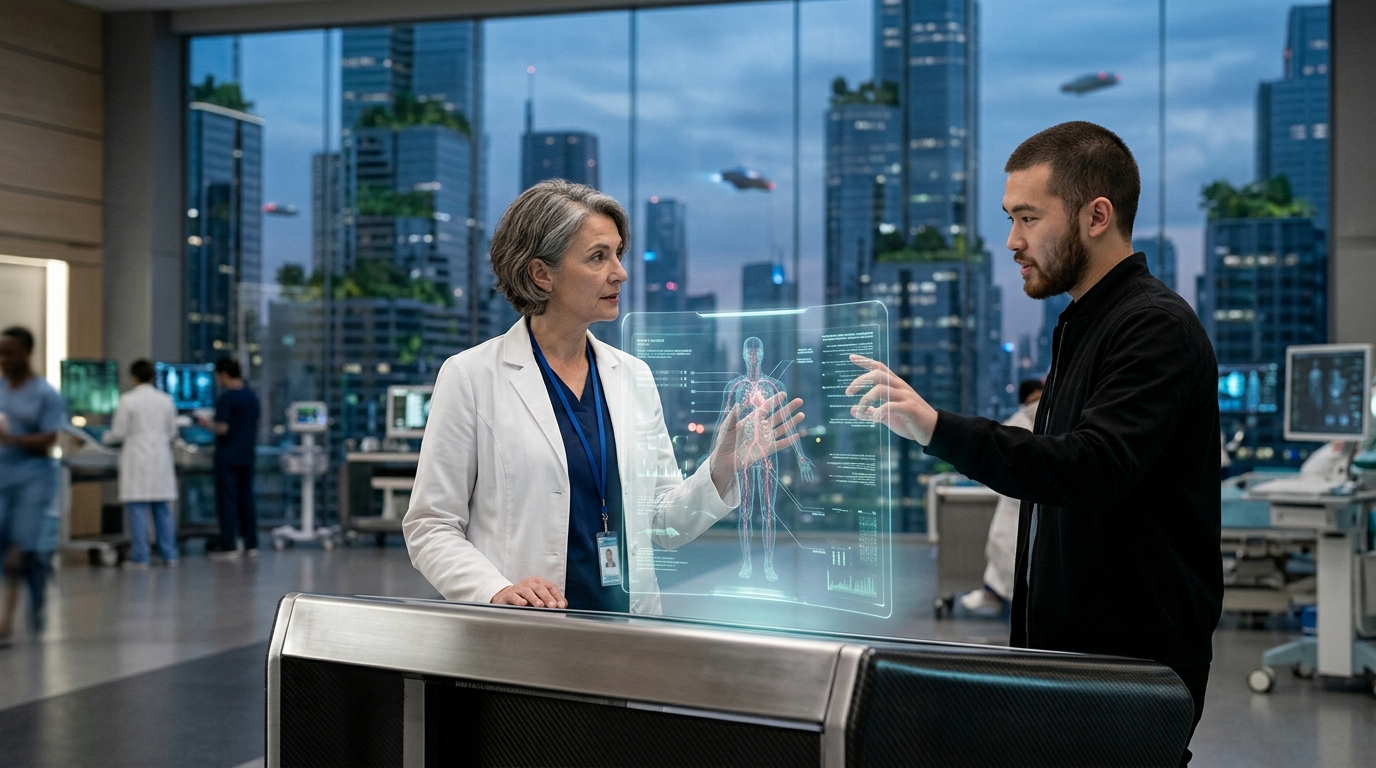
In modern hospitals, Artificial Intelligence (AI) is not a futuristic vision but a daily reality that augments human judgment. Diagnostic accuracy has soared as machine learning algorithms analyze thousands of X-rays, MRIs, and biopsies in seconds, identifying anomalies that the human eye might overlook. However, expertise remains human-centric. The physician of 2026 is no longer a mere "conduit" of information but a data orchestrator who uses AI to deliver hyper-personalized treatments.
Precision medicine has become the gold standard. Leading hospitals are those capable of integrating a patient's genomic profile with real-time data from wearable devices. This allows for the prediction of health crises before they occur, transforming the hospital from a place that treats illness into a center for health management.
Technological Infrastructure: Beyond the Hardware
Strong technology in a 2026 hospital isn't just about robotic surgical systems like Da Vinci; it's about the "smart" architecture of the facility itself. Digital twins of hospitals allow for the optimization of patient flow, reducing emergency room wait times by up to 40%. The rollout of 5G and 6G connectivity enables seamless telesurgery, where specialists from across the globe can participate in operations via Augmented Reality (AR).
- Automated pharmacies that eliminate dosage errors through robotic precision.
- Sepsis prediction systems that alert nursing staff hours before a patient's condition worsens.
- Autonomous robotic assistants for material transport and environmental disinfection.
This technological superiority, however, comes with a prerequisite: absolute cybersecurity. A hospital that cannot protect patient data cannot be considered "good," regardless of how advanced its operating theaters may be.
The Trust Gambit: The Human Element
Perhaps the most challenging piece of the modern healthcare equation is trust. In a world where algorithms drive critical decisions, patients often feel alienated. Top-tier hospitals are now investing heavily in "Explainable AI" (XAI), ensuring that every machine-generated recommendation can be justified in terms understandable to humans.
"Technology can treat the body, but only the human touch can heal the patient," notes the report from Vietnam.vn.
Trust is also built through transparency. Market-leading hospitals openly share their success rates and complication statistics, using blockchain to guarantee the integrity of medical records. The ethical use of AI—avoiding racial or socioeconomic biases in algorithms—and maintaining empathy in care are the factors that will define the leaders of the next decade.
Conclusion: A New Era of Care
The "good hospital" of 2026 is a continuously learning organization. It is no longer a static infrastructure but a dynamic ecosystem where medical expertise is amplified by AI, technology serves efficiency, and trust forms the cohesive fabric. The challenge for global healthcare systems is to adopt this model while balancing rapid innovation with the humanistic values that have traditionally governed the medical profession.