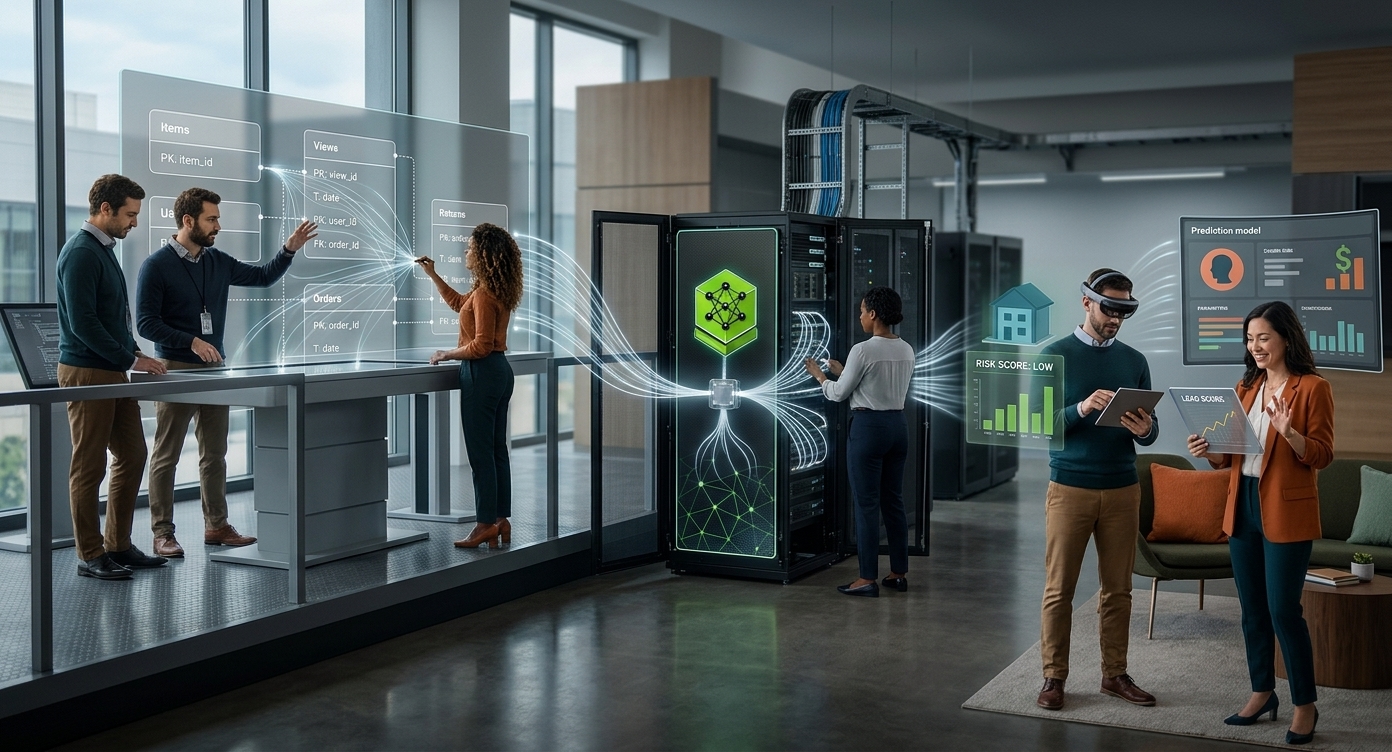
As we move through the first half of 2026, the global economy is in the midst of a tectonic shift. What began three years ago as an explosion of Generative AI has now evolved into a period of systematic and aggressive consolidation. 2026 is not just another year of technological progress; it is the year of "Mega Deals," where Silicon Valley giants, sovereign wealth funds, and traditional industries collide to control the infrastructure that will define the 21st century.
Current market dynamics suggest that the era of thousands of independent AI startups is coming to an end. The capital requirements for training next-generation models have skyrocketed to levels that only a handful of entities can sustain. This has led to a wave of Mergers and Acquisitions (M&A) reminiscent of the formation of major oil conglomerates in the early 20th century, but with one critical difference: today's "oil" is data and computing power.
The Shift from Infrastructure to Vertical Solutions
While 2024 and 2025 were dominated by the semiconductor race and the construction of massive data centers, 2026 focuses on application. The major deals we are seeing this year are not just about who has the fastest Large Language Model (LLM), but about who owns the data in specific sectors. Acquisitions of biotech companies by tech giants and mergers in the fields of robotics and autonomous supply chains are now commonplace.
According to Wall Street analysts, M&A volume in the first five months of 2026 has already surpassed the total for 2025. The strategy of Big Tech has shifted: instead of developing everything internally, they are acquiring "ready-made" ecosystems that possess specialized domain expertise. For example, the recent mammoth acquisition of a leading European energy grid company by a US tech conglomerate shows that AI is no longer just a software tool, but the brain of physical infrastructure.
The Regulatory Landscape and Competition
The explosion of Mega Deals has not gone unnoticed by regulators. The European Commission, through the full implementation of the AI Act, is trying to balance the need for European "champions" with the risk of creating monopolies that could stifle innovation. However, geopolitical reality complicates matters. The competition between the US and China for AI supremacy is forcing governments to be more tolerant of large mergers that enhance national power.
In this context, we are seeing the emergence of "Sovereign AI." Many of the 2026 deals are funded or supported by sovereign wealth funds, particularly from the Gulf region and East Asia. These funds are not just looking for financial returns, but also for technology transfer to secure their place in the new digital economy. Greece, although a smaller player, is participating in this trend through strategic partnerships in tourism and shipping, where AI is integrated to optimize operations on a global scale.
The Impact on the Labor Market and Society
Beyond the numbers and market valuations, the consolidation of the AI industry through these deals has deep social implications. When a handful of companies control the world's most sophisticated decision-making systems, the question of accountability becomes urgent. The Mega Deals of 2026 bring with them a restructuring of the workforce. Acquired companies often undergo "rationalization," with AI replacing middle management, while simultaneously creating a massive demand for "system architects" and technology ethics specialists.
In conclusion, 2026 will go down in history as the year AI "grew up" economically. The romantic days of garages and small research teams are giving way to the era of industrial giants. The challenge for the global community is to ensure that this concentration of power works for the benefit of humanity and not just for the benefit of the shareholders of the few elite conglomerates leading this revolution.