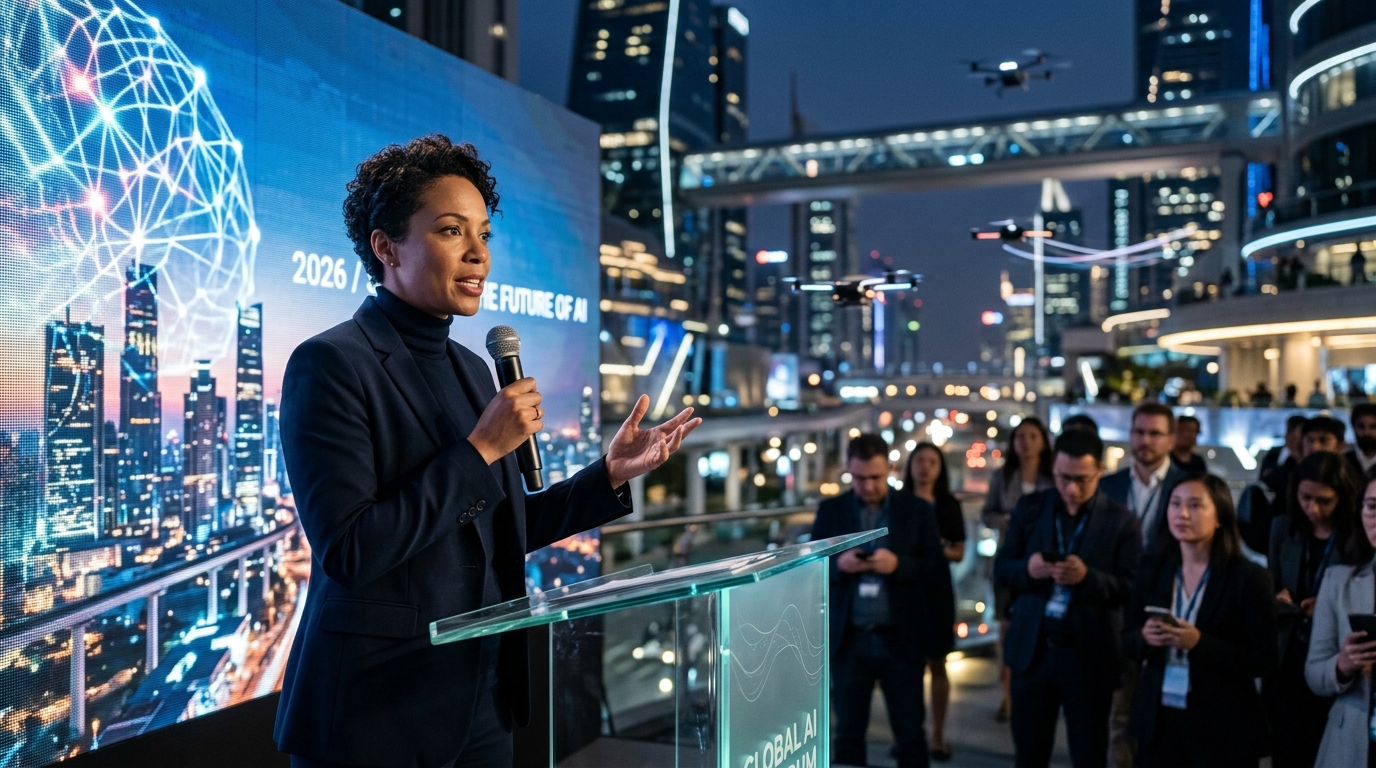
As we navigate the first half of 2026, the Artificial Intelligence industry bears little resemblance to the era of initial excitement sparked by ChatGPT a few years ago. The narrative has shifted from mere content generation to substantive action and integration into the physical world. According to a recent report by 36Kr, 2026 marks the maturity of 'AI Agents' and the emergence of 'Sovereign AI' as a national priority for states worldwide.
The Transition from Chatbots to Autonomous Agents
2024 and 2025 were the years of Large Language Models (LLMs) that could converse, write code, and generate images. However, 2026 belongs to the Agents. These systems do not simply wait for a user prompt to respond. They possess 'long-term memory,' multi-step planning capabilities, and, most importantly, the ability to execute tasks in external environments.
For example, an AI agent today can manage a company's entire supply chain, negotiate prices with other agents, and resolve logistics issues without human intervention. The architecture of these systems has moved beyond simple next-token prediction, incorporating 'System 2 thinking' mechanisms, allowing the AI to 'pause and think' before acting.
The Infrastructure Challenge and the Energy Crisis
Despite technological progress, the industry in 2026 faces a wall: energy. Training next-generation models now requires power levels approaching the consumption of small nations. This has led to an unprecedented convergence of Big Tech and nuclear power. We have seen Microsoft, Amazon, and Google invest in Small Modular Reactors (SMRs) to power their data centers.
At the same time, the narrative of 'Sovereign AI' has become dominant. Nations like Saudi Arabia, the UAE, and the European Union are attempting to reduce their dependence on US computing power by building their own clusters with domestic data and specialized semiconductors. The geopolitics of AI is no longer just about who has the best algorithm, but who controls the transformers and the power grid.
Embodied AI: Intelligence Gets a Body
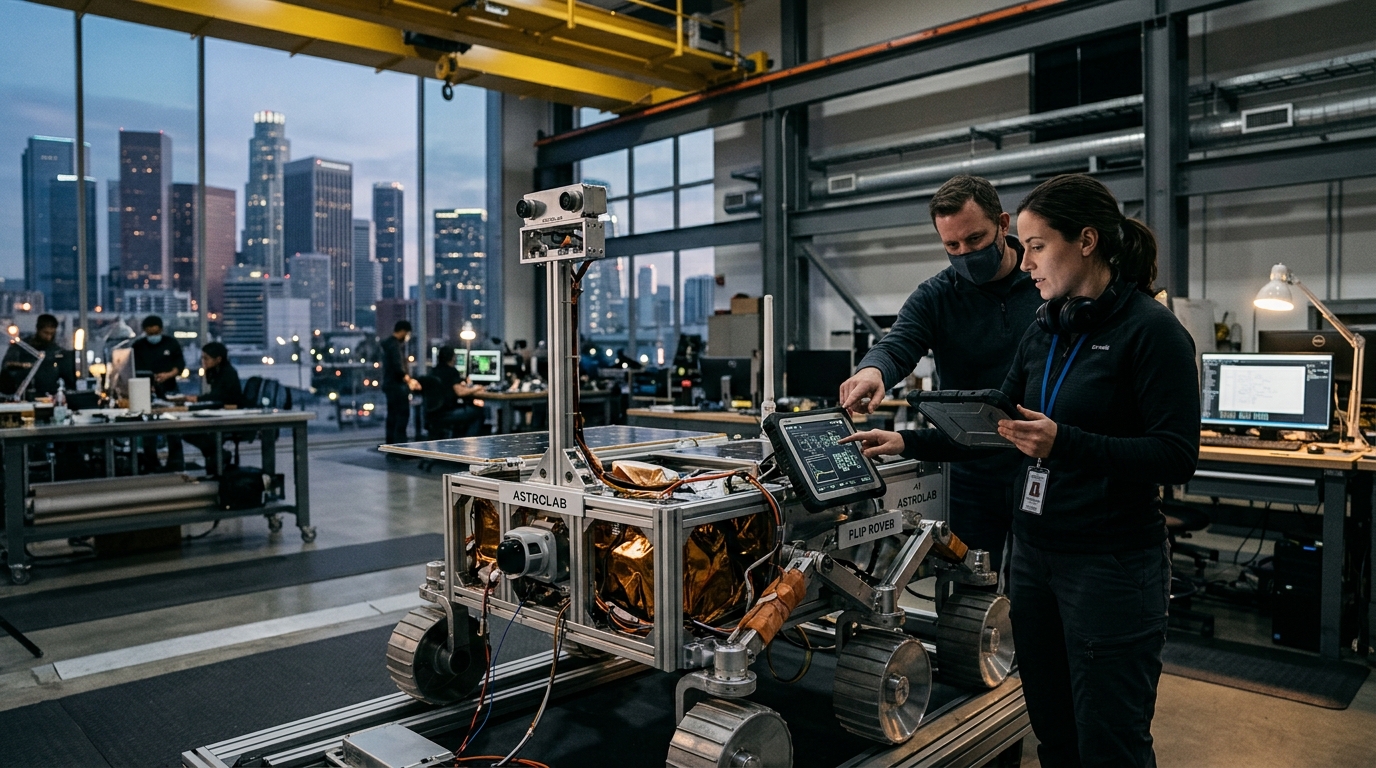
One of the most exciting developments of 2026 is the progress in Embodied AI. The connection of LLMs with robotics has enabled the creation of humanoid robots that can operate in unstructured environments, such as factories, warehouses, and even homes. The ability of models to understand the physics of the world through multimodal training has made robots capable of learning new tasks simply by watching videos.
This development is radically changing the productivity narrative. While in 2023 we feared for white-collar jobs, in 2026 the conversation has shifted to the automation of manual labor. Industry 4.0 is now a reality, with AI serving as the 'brain' of the machines that build our world.
Conclusion: The Search for Value
At the end of the day, the 2026 narrative is one of survival and scaling. Companies that failed to turn AI into profit have begun to retreat, while dominant players consolidate their position through vertical integration—from chips to energy to final applications. The challenge for society remains maintaining human control in an ecosystem moving at speeds beyond human perception.