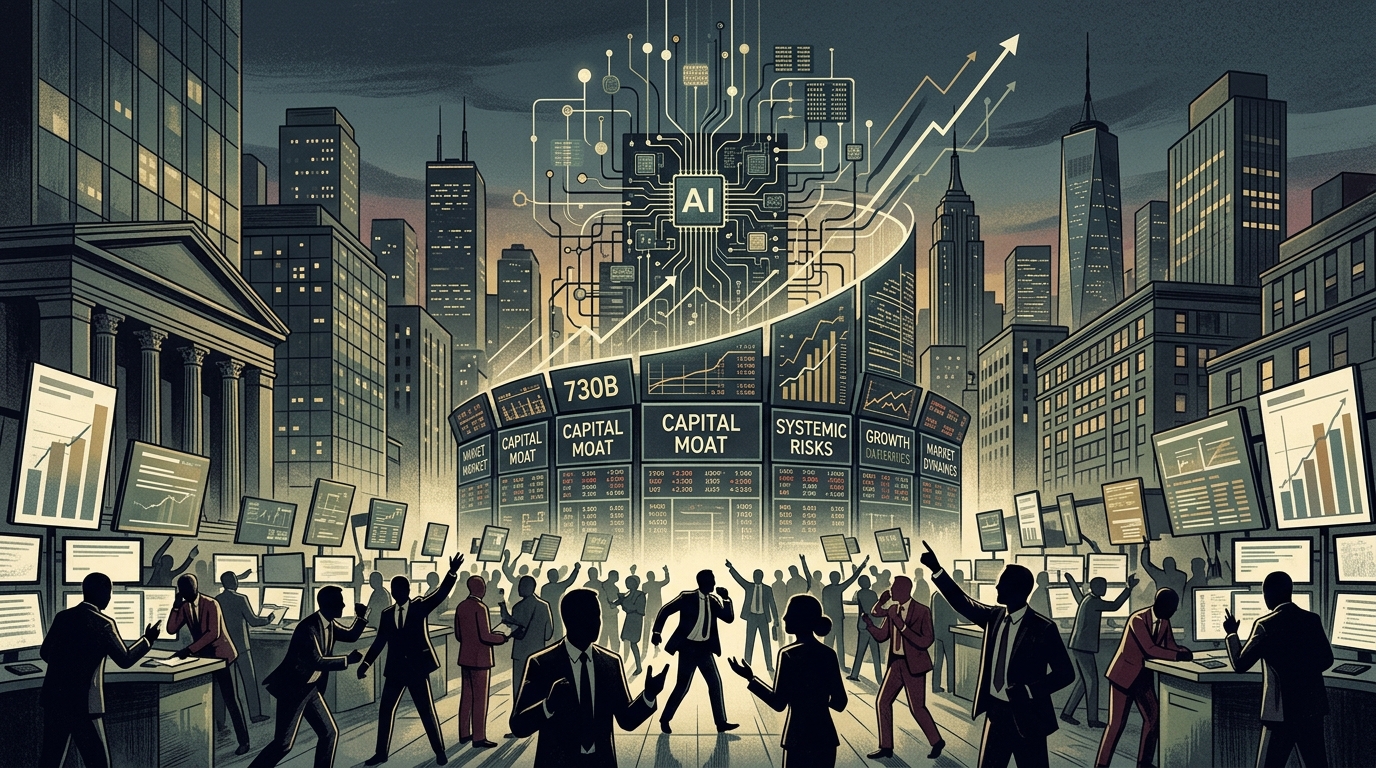
In a strategic maneuver that could redefine the landscape of technology capital markets, Zhipu AI, a cornerstone of China's artificial intelligence ecosystem, is reportedly laying the groundwork for a multi-billion dollar share sale in Hong Kong. The news, initially broken by Bloomberg, arrives at a critical juncture where escalating geopolitical tensions between the US and China are compelling Eastern tech giants to seek alternative financing routes away from Wall Street's traditional embrace.
The Strategic Weight of Zhipu AI
Zhipu AI is no ordinary startup. Founded in 2019 by researchers from the prestigious Tsinghua University, the company has emerged as one of the elite "AI Tigers" of China, standing alongside the likes of Moonshot AI and Kai-Fu Lee’s 01.AI. Backed by heavyweights such as Alibaba, Tencent, and Meituan, Zhipu has successfully developed large language models (LLMs) that directly challenge OpenAI’s GPT-4 in specific benchmarks, particularly regarding Chinese linguistic nuances and cultural context.
The decision to pursue a share sale in Hong Kong underscores a massive appetite for capital. Training next-generation AI models requires billions of dollars in computational power, especially as US export controls on high-end Nvidia chips (such as the H100 and B200 series) force Chinese firms to innovate around hardware constraints or invest heavily in domestic alternatives. Zhipu AI is at the vanguard of this effort, striving to bridge the widening gap between Chinese and Western technological capabilities.
Why Hong Kong?
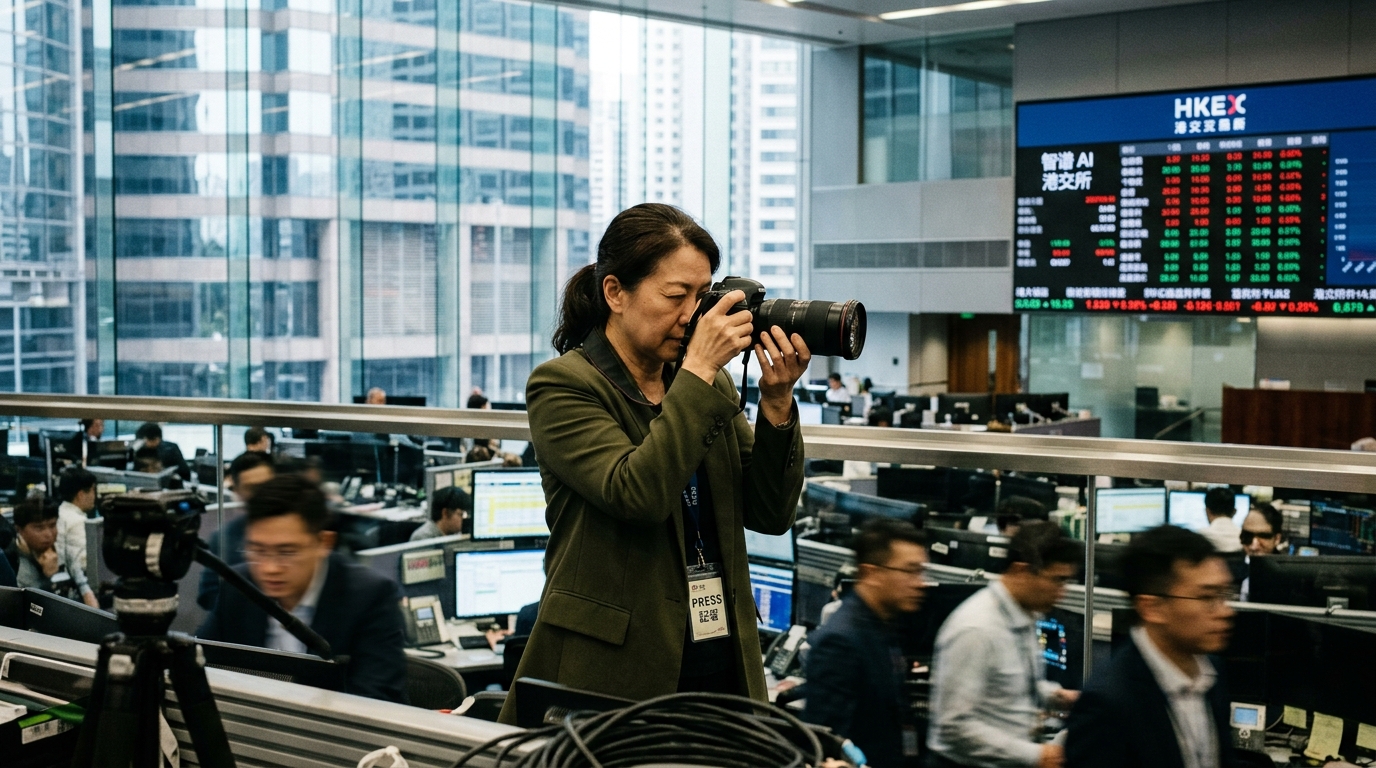
Hong Kong remains the quintessential bridge between mainland China and international capital. At a time when Chinese listings on New York exchanges face rigorous SEC scrutiny and political headwinds from Washington, the HKEX (Hong Kong Exchanges and Clearing) offers a more stable harbor. For Zhipu, a successful share sale would serve as a vote of confidence not just for the company itself, but for China's broader AI trajectory.
- Access to international institutional investors seeking exposure to the Chinese AI boom.
- Mitigation of geopolitical risks associated with US-based listings.
- Liquidity injection to fund massive compute infrastructure and global talent acquisition.
Challenges and the Geopolitical Backdrop
Despite the momentum, Zhipu AI faces formidable hurdles. The global dominance of OpenAI and Anthropic sets an incredibly high bar for performance. Furthermore, China’s domestic regulatory environment for AI-generated content is stringent, requiring firms to ensure their models' outputs align with state directives. This regulatory oversight can sometimes dampen the generative flexibility of models compared to their Western counterparts.
"The battle for AI supremacy is no longer just about code; it is a war of capital and silicon," market analysts observe.
Zhipu AI’s potential move may herald a wave of IPOs or major share sales from other Chinese AI unicorns that have hitherto relied on private funding rounds. If the Hong Kong market successfully absorbs this offering, it will demonstrate that there remains a robust global appetite for cutting-edge Chinese technology, even amidst the prevailing narrative of 'de-risking' and 'de-coupling' in international relations.