

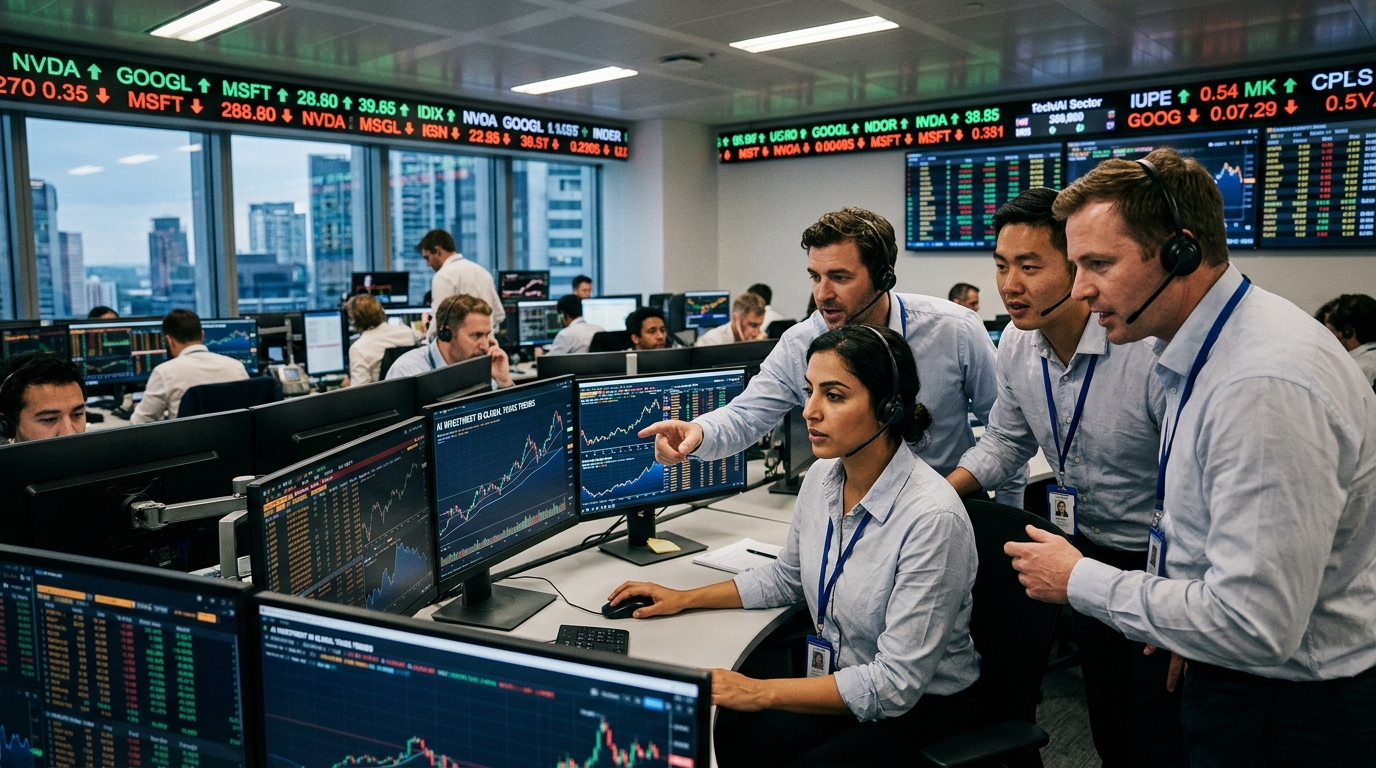
In an era where the global geopolitical chessboard is set ablaze by conflicts in Ukraine and the Middle East, and supply chains are strained by rising protectionism, an unexpected force seems to be holding global trade above projected levels: Artificial Intelligence (AI). According to the latest report from the World Trade Organization (WTO), AI investments and the rapid growth of digitally delivered services are acting as an "economic parachute," preventing a deeper downturn in international transactions.
Digital Resilience in a Fragmented World
The WTO report highlights a paradoxical phenomenon. While trade in physical goods faces significant hurdles due to increased freight costs and geopolitical tensions, technology-based services are experiencing explosive growth. In 2023, global exports of digitally delivered services reached a staggering $4.25 trillion, now representing 13.8% of total exports of goods and services. AI is not merely a productivity tool; it is the catalyst allowing businesses to bypass physical borders.
Artificial Intelligence contributes to reducing transaction costs in ways that seemed surreal only a decade ago. From automating customs procedures to predicting supply chain disruptions in real-time, this technology enables companies to maintain operational continuity even when traditional routes are blocked. "AI is transforming the comparative advantage of nations," the report states, noting that data processing capability is becoming as critical as access to raw materials.
The Services Revolution and the Future of Trade
The WTO analysis shows that investments in AI infrastructure by tech giants and governments have created a new trade ecosystem. AI-supported services, such as remote medical consultations, education, and software development, remain unaffected by blockades in the Suez Canal or the Panama Canal. This "dematerialization" of trade provides a safety valve for the global economy.
"Artificial Intelligence is not just changing what we trade, but how we trade. It is the glue holding the global market together at a time when political forces are attempting to dismantle it," WTO analysts note.
However, the report warns of the risk of a new "digital divide." While developed economies and certain emerging markets benefit most from AI, least-developed countries risk being left behind due to a lack of infrastructure and a skilled workforce. The need for international cooperation in setting AI standards is more urgent than ever to ensure the technology's benefits are distributed equitably.
Challenges and Geopolitical Implications
Despite the optimism, AI is at the center of a new kind of trade war. Restrictions on the export of advanced semiconductors and competition for dominance in foundation models show that technology is simultaneously a unifying and divisive force. The WTO argues that maintaining open channels for data flow is vital for continued global growth. The trend of "friend-shoring" is now affecting AI development, with alliances forming around shared ethical standards and data security.
In conclusion, AI acts as a powerful counterweight to volatility. While missiles and sanctions attempt to raise walls, algorithms and data build bridges. The challenge for 2026 and beyond will be balancing national security with the need for a free and digitally integrated global market. AI is no longer a future promise but the current reality sustaining the pulse of global trade.





