

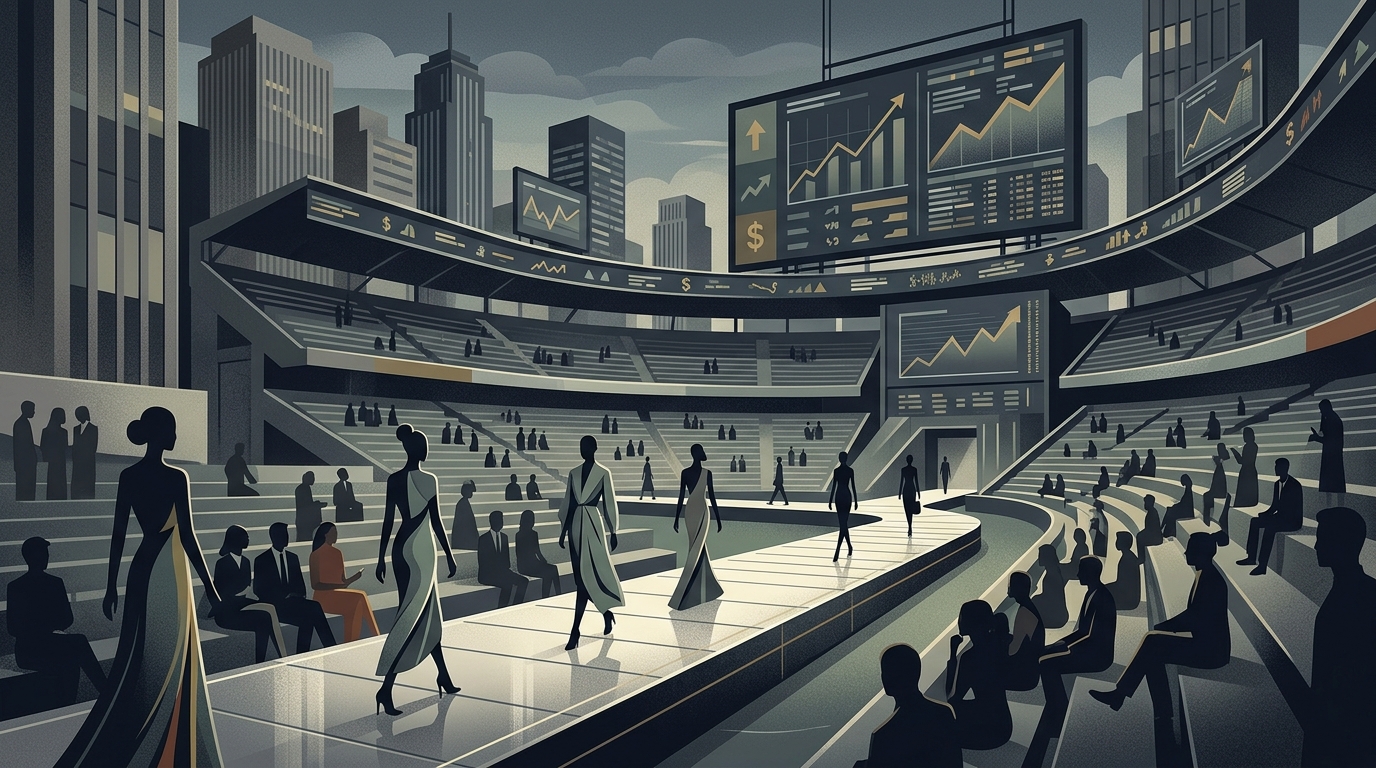
In an era where the traditional concept of exclusivity is being redefined, major fashion houses have discovered a new, unexpected ally: the stadium. From the grass of Wimbledon to the tracks of Formula 1 and the courts of the NBA, luxury has left the narrow confines of Parisian and Milanese ateliers to conquer the world of sports. This is not merely a sponsorship deal; it is a profound cultural and economic convergence that is reshaping the global luxury market map.
The Paris Legacy and the LVMH Paradigm
The beginning of this decade marked a historic shift, culminating in the Paris 2024 Olympic Games. The LVMH Group, under the leadership of Bernard Arnault, did not limit itself to a simple presence but became the "creative partner" of the games. This move was not just about displaying logos; it was about integrating French artistry and elegance into the heart of sports. From Louis Vuitton medal trunks to Berluti-designed uniforms for the French delegation, the message was clear: excellence in sports is synonymous with excellence in craftsmanship.
By 2026, this trend has become firmly established. Fashion houses realize that the audience for sporting events is vast, loyal, and, most importantly, global. While a fashion show might attract a few thousand experts and influencers, a Champions League final or a Grand Prix draws hundreds of millions of viewers. The visibility offered by sports is unparalleled, and the association with health, wellness, and success provides brands with a new dynamic.
From Models to Champions: The New Ambassadors
The shift is also evident in the faces brands choose to represent them. Traditional collaborations with actors and models are giving way to athletes who possess not only physical prowess but also personal style. The case of Jannik Sinner appearing at Wimbledon with a custom Gucci duffel bag, or Carlos Alcaraz serving as a Louis Vuitton ambassador, demonstrates how tennis has become the new showcase for "quiet luxury."
- Formula 1: Drivers have turned into fashion icons, with the "paddock walk" now considered equivalent to a runway show.
- NBA: Player arrivals at the arena are a daily fashion show consumed voraciously on social media.
- Football: Real Madrid’s partnership with Emirates and players like Kylian Mbappé’s personal involvement in fashion are setting new consumption standards.
These athletes are not just "clothes hangers." They are personalities with immense reach among Gen Z and Gen Alpha, who seek authenticity and a story behind the product. An athlete who has struggled to reach the top embodies the values of perseverance and quality—values that luxury houses are desperate to appropriate.
The Economic Logic and Strategic Expansion
Why are luxury houses investing billions in sports? The answer lies in revenue diversification. The luxury market has traditionally relied on a limited elite. However, to maintain growth rates, brands must expand into new demographics. Sports provide the bridge to the "mass-affluent" audience—people who might not buy a €10,000 bag every month but will invest in a pair of sneakers or an accessory associated with their favorite athlete.
"Sports is the new global language. For luxury brands, being there is no longer an option; it is a necessity for survival in the 21st century," says a Morgan Stanley analyst.
Furthermore, the rise of sports tourism and VIP experiences in stadiums offers new opportunities for "experiential luxury." Houses are now creating exclusive lounges, pop-up stores in stadiums, and limited-edition capsule collections available only during major tournaments. This creates a sense of urgency and exclusivity that fuels demand.
The Future: An Unbreakable Union
Looking ahead, this convergence is expected to intensify. Technology, through wearables and smart fabrics, will be the next field of collaboration. Imagine a high-end sports watch that combines Swiss watchmaking with the latest biometric technology, or clothing that adjusts to stadium climate conditions without sacrificing style.
The stadium is no longer just a place of competition; it is a space for culture, spectacle, and, above all, commerce. Luxury has found in sports the perfect vehicle to remain relevant in a rapidly changing world. The "stadium catwalk" is here to stay, reminding us that beauty and power have always been two sides of the same coin.





