

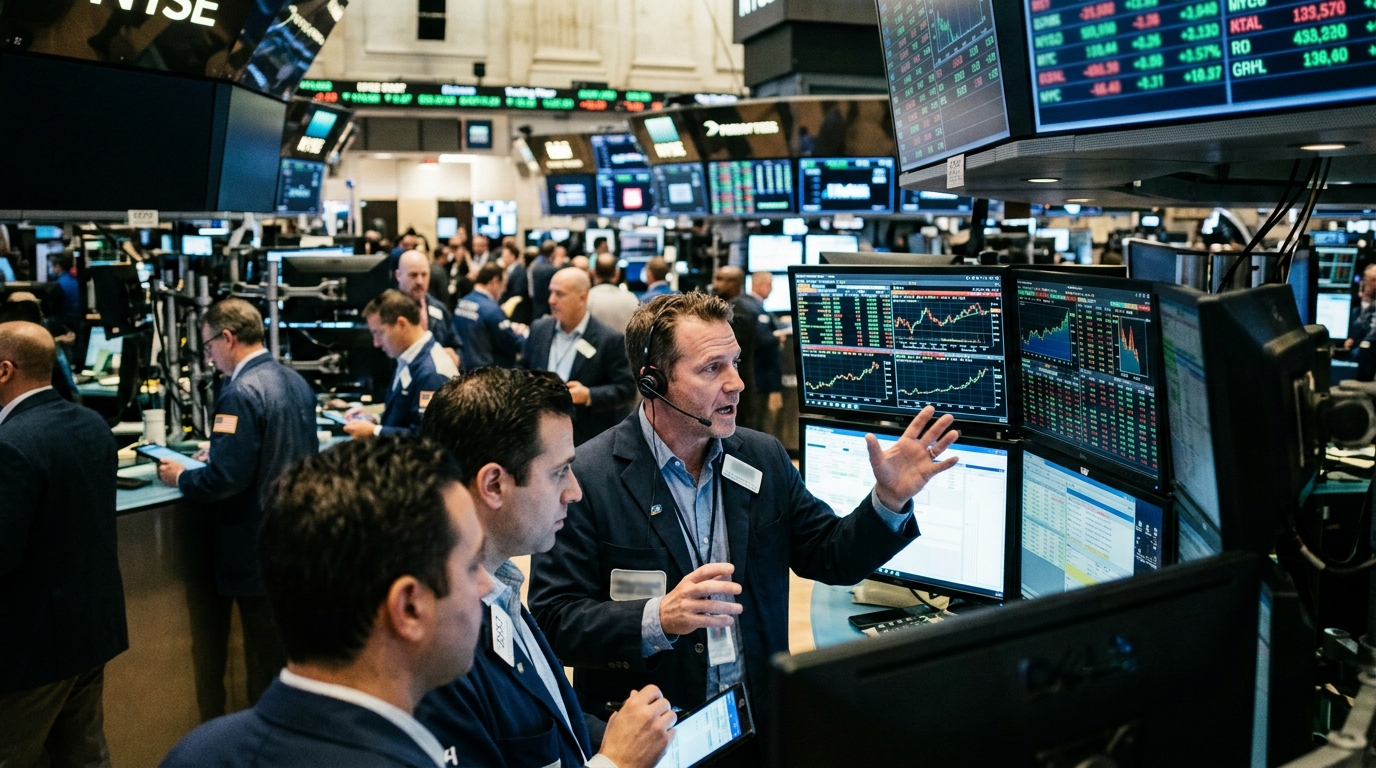
In the current landscape of July 2026, the artificial intelligence industry stands at a critical crossroads. After years of dizzying growth and billions in private funding, OpenAI and Anthropic—the two undisputed leaders of generative AI—are facing a new reality. A recent analysis by Barron's emphasizes that transitioning to public markets (IPO) is no longer just an option, but a strategic necessity that must be realized "sooner rather than later."
The Capital Black Hole and the Cost of Power
The primary driver for a rushed IPO is the astronomical cost of operations. Training next-generation models, such as GPT-5 and Claude's successors, now requires infrastructure costing tens of billions of dollars. While Microsoft and Amazon have provided significant support, liquidity needs have now surpassed the capabilities of even the largest strategic investors. Accessing public market capital would allow these companies to fund the construction of massive data centers and the purchase of hundreds of thousands of GPUs without depending solely on the philanthropy of their Big Tech allies.
Furthermore, there is the issue of "investor fatigue." Venture capital firms that backed OpenAI and Anthropic in their early stages are now seeking exit ramps to realize their gains. With valuations already touching hundreds of billions, the number of private buyers capable of absorbing such scale is extremely limited. The stock market remains the only viable outlet for maintaining their momentum.
The Talent War and Executive Retention
An often-overlooked factor is the human capital. Top AI researchers are the "rock stars" of the modern era, and their compensation is inextricably linked to stock options. As long as these companies remain private, this wealth exists only "on paper." To retain the best minds against competition from Google, Meta, or even emerging startups, OpenAI and Anthropic must offer liquidity. An IPO would turn promises into actual wealth, ensuring employee loyalty during a period when industry mobility is at its peak.
"Going public isn't just about the money; it's about institutionalizing AI as a public good and accepting the scrutiny that transparency entails," the analysis notes.
Regulatory Framework and Transparency
Pressure from regulators in the US and EU is mounting. Governments are demanding greater transparency regarding how models are trained and how algorithms are governed. The private nature of these companies allows for a degree of secrecy that breeds suspicion. Entering the public market imposes strict disclosure rules and corporate governance standards. This could serve as a "certificate of maturity," reassuring lawmakers that these entities do not operate unchecked but are subject to the same rules as other pillars of the global economy.
The Risk of Delay
Why now? Barron's warns that the "window of opportunity" may be closing. If the global economy enters a recession or if the AI hype begins to fade due to a lack of immediate profitability in certain sectors, valuations will collapse. OpenAI and Anthropic must capitalize on the current climate of euphoria before the market begins to demand stricter profitability criteria (P/E ratios) that they may not yet be able to satisfy. Tech history is littered with companies that waited too long and eventually lost their chance to become dominant players. 2026 is the year theory must become practice on Wall Street screens.





