

In the volatile international environment of 2026, where geopolitical balances often resemble shifting sands, the news of a substantial rapprochement between the United States and Iran acts as a "deus ex machina" for the Greek economy. The agreement, which primarily concerns the lifting of certain sanctions in exchange for limitations on the nuclear program and the release of energy flows, is not just a diplomatic success; it is an economic lifeline for the Eastern Mediterranean countries, and especially for Greece.
The Energy Cascade and Price Deflation
The primary and most immediate impact of the agreement is found in the global oil market. With the reintegration of Iranian crude into the international system, supply is expected to surge, exerting downward pressure on Brent prices. For Greece, a country that remains energy-dependent on fossil fuel imports despite progress in renewables, this translates into an immediate reduction in production costs.
- Reduction in transportation and logistics costs.
- Relief for household budgets regarding heating and mobility.
- Improvement of the trade balance due to reduced spending on energy imports.
According to analysts, a drop in the price of oil by $10-15 per barrel can save hundreds of millions of euros for Greek industry, enhancing the competitiveness of Greek products in international markets.
Inflation and Monetary Policy: The ECB's Breathing Room
The Greek economy, like the rest of the Eurozone, has struggled hard with persistent inflation in previous years. The US-Iran agreement provides the necessary "disinflationary shock." When energy costs recede, the effect trickles down through the entire value chain—from food to services. This gives the European Central Bank (ECB) the leeway to accelerate interest rate cuts.
"Stability in energy prices is the cornerstone for fiscal discipline without social asphyxiation," a Ministry of Finance official noted.
For Greece, the prospect of lower interest rates is critical. It reduces the cost of servicing public debt and, most importantly, opens the floodgates of financing for small and medium-sized enterprises (SMEs) that form the backbone of the domestic economy. Favorable borrowing conditions could trigger a new cycle of investment in sectors such as technology and the green transition.
Shipping and Greece's Strategic Role
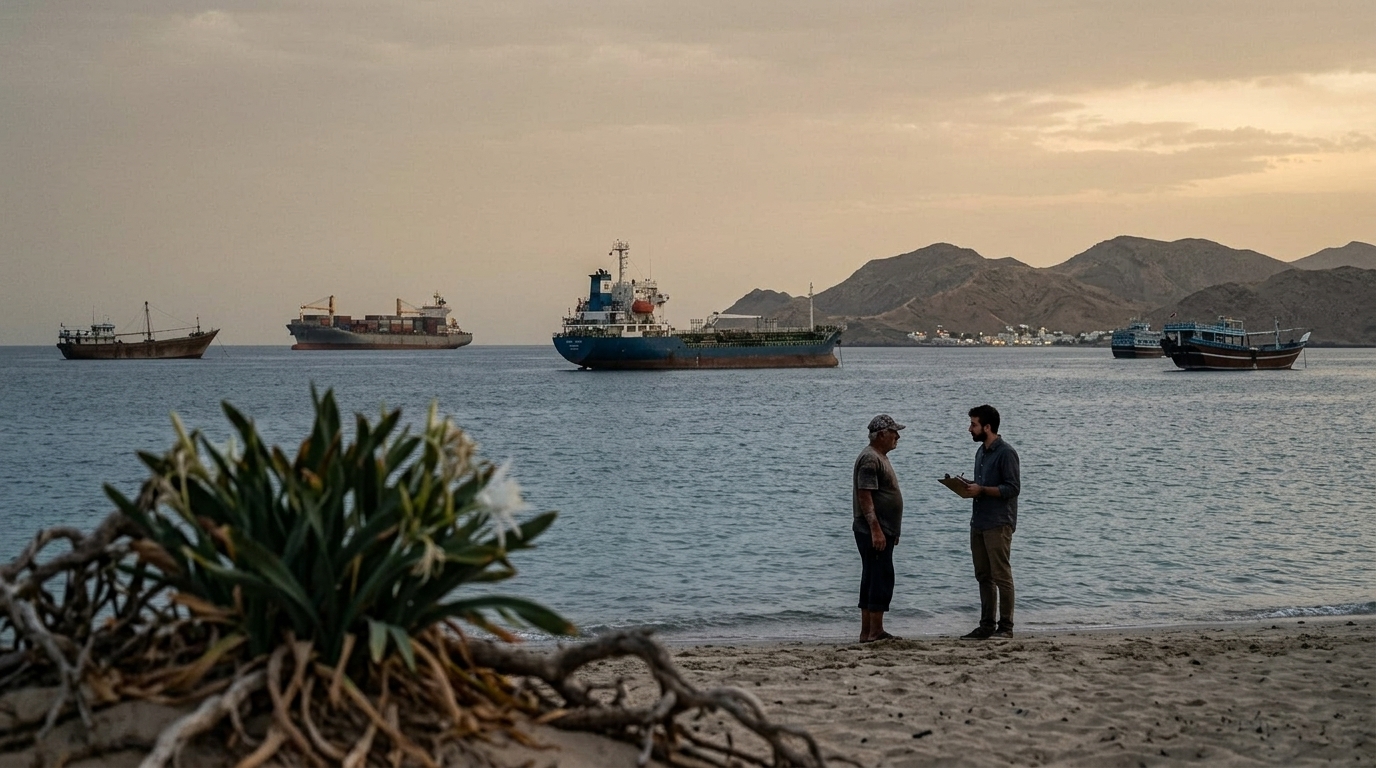
We must not overlook the role of Greek-owned shipping. The lifting of restrictions on Iran means an increase in global trade volume and new routes for tankers. Greek shipowners, who control a vast percentage of the global liquid cargo fleet, are in a prime position to benefit from the increased demand for transport from the Persian Gulf.
Furthermore, geopolitical stability in the region reduces war risk premiums for vessels passing through the Strait of Hormuz, further lowering shipping's operational costs. This development boosts Greece's GDP through shipping remittances and the stimulation of ancillary maritime services in Piraeus.
When Will the Benefits Be Felt?
Although markets react instantaneously (discounting), the real benefits in the pockets of the Greek consumer and on corporate balance sheets are expected within a 4 to 6-month horizon. The gradual integration of new prices into futures contracts and the clearing of existing expensive oil inventories are processes that take time. However, market psychology has already shifted, creating a climate of investment optimism that the country has not experienced for years.
In conclusion, the US-Iran agreement is not just a victory for diplomacy, but an economic opportunity for Greece to safeguard its growth, reduce the burdens on its citizens, and strengthen its position as an energy and commercial hub in Europe.





