The recent announcement by UBS regarding the full restoration of navigation in the Strait of Hormuz marks a critical turning point for the global economy, which had been held hostage by geopolitical uncertainty for months. The reopening of this vital artery, through which one-fifth of global oil consumption passes, is not merely a logistical update; it is the catalyst for a broader realignment of markets and inflationary expectations. According to the Swiss banking giant's report, the de-escalation of tensions in the Middle East is expected to act as a "pressure relief valve" for energy prices, allowing central banks to breathe and investors to seek out the opportunities of the post-war era.
The Decline of the Energy Premium and Inflation
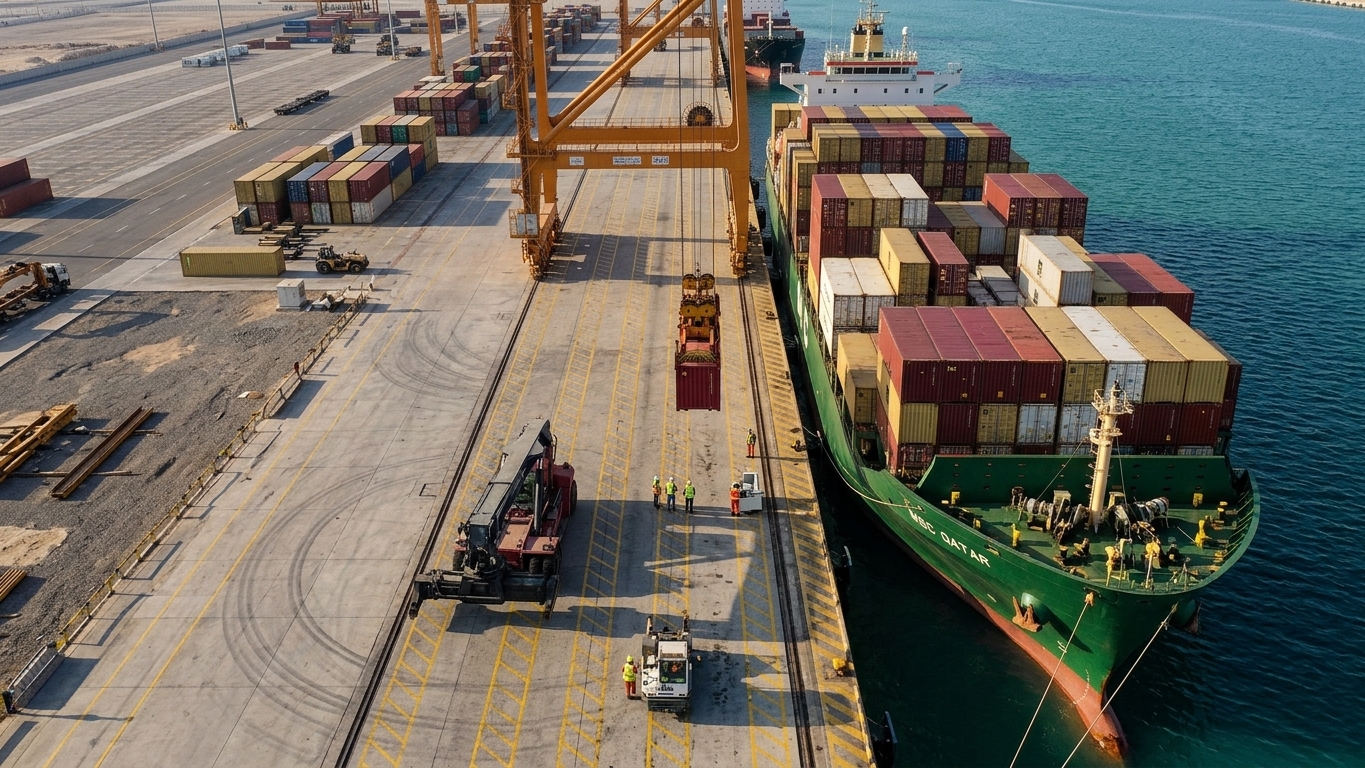
The first and most immediate result of the normalization in Hormuz is the elimination of the "risk premium" from crude oil and liquefied natural gas (LNG) prices. UBS estimates that the stabilization of Brent prices at lower levels will lead to a faster decline in headline inflation across developed economies. This creates a favorable environment for the European Central Bank and the Fed to continue or even accelerate their rate-cutting cycles, boosting consumption and investment. The reduction in shipping costs, due to avoiding the costly circumnavigation of Africa, will also have a positive impact on consumer goods prices, easing the supply chain pressures that plagued Europe over the past year.
Reconstruction: The New "El Dorado" for Europe and Asia
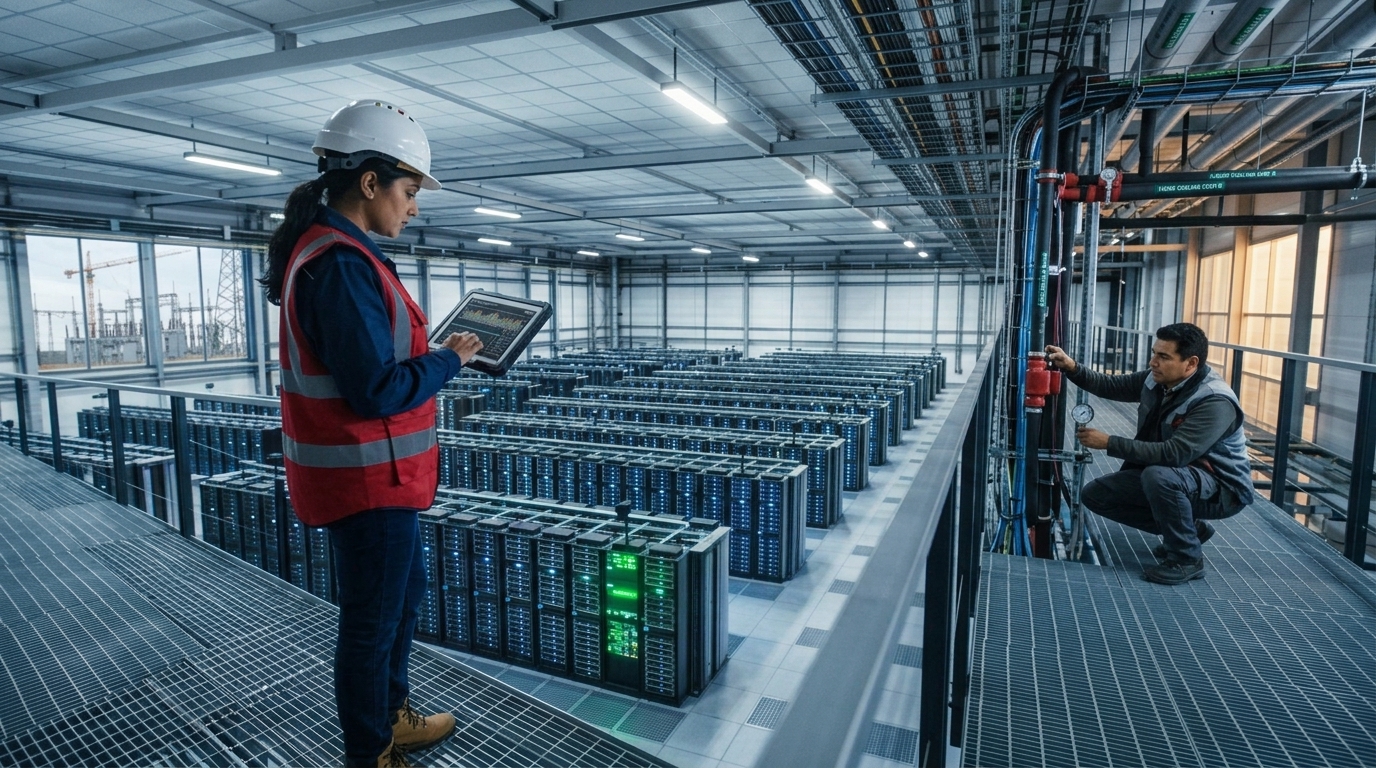
With the cessation of hostilities, focus is shifting from destruction to creation. UBS highlights that the capital required for infrastructure reconstruction in the region is colossal. However, there is a significant qualitative difference: unlike previous decades, capital flows seem to be directed more toward European and Asian groups. German and French infrastructure firms, as well as Chinese technology and construction giants, are expected to play leading roles in securing contracts for rebuilding energy grids, ports, and residential zones. The demand for "smart" and sustainable cities in the Middle East provides a comparative advantage to European companies leading the green transition.
Rearmament and Strategic Autonomy
Despite the peace, the fear of future flare-ups remains, driving regional states toward a new wave of rearmament. UBS notes that defense spending will not decrease but will be redirected toward acquiring advanced deterrence systems and cybersecurity. Here, the winners are Western defense industries, but also emerging Asian players offering more competitive solutions in drones and surveillance systems. The region is now seeking a balance between security and economic growth, attempting to become less dependent on external powers, which creates new dynamics in international trade agreements.
Investment Implications
For investors, the UBS analysis suggests a shift toward stocks in infrastructure, logistics, and banks involved in financing large-scale projects in the Middle East. At the same time, receding inflation makes bonds more attractive as yields stabilize. The "day after" is not without risks, as political stability remains fragile, but the economic momentum released by the opening of Hormuz offers a rare opportunity for global growth at a time when many feared a recession. Europe's ability to capitalize on these new realities will largely determine its economic trajectory for the remainder of the decade.